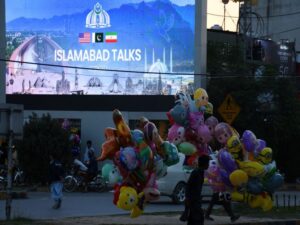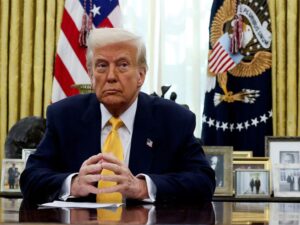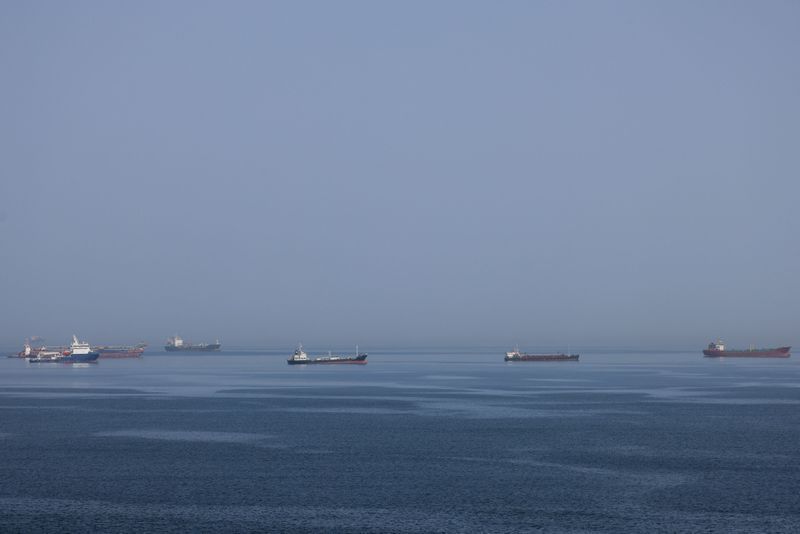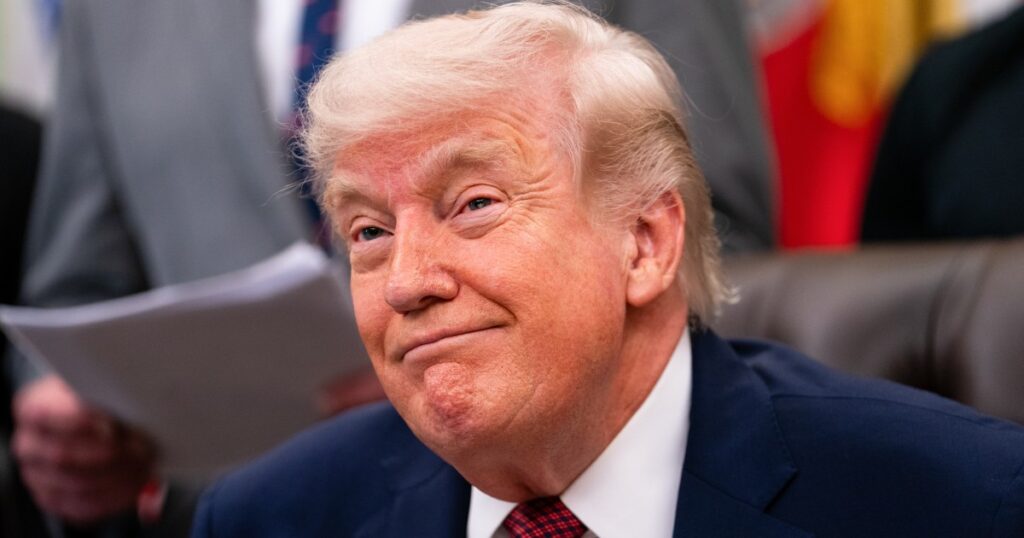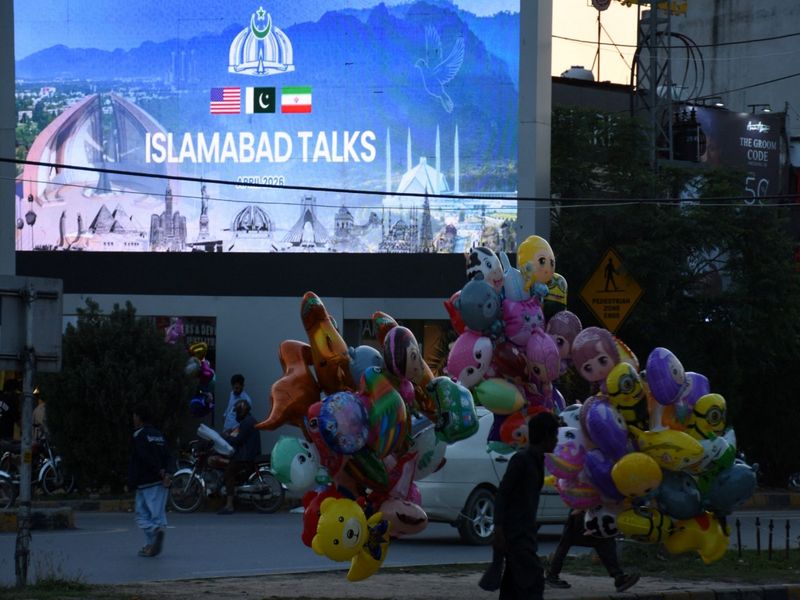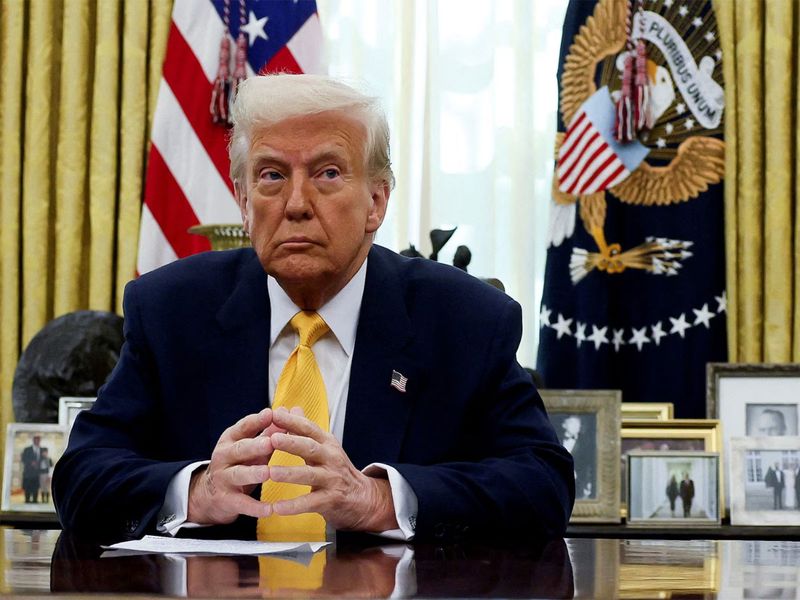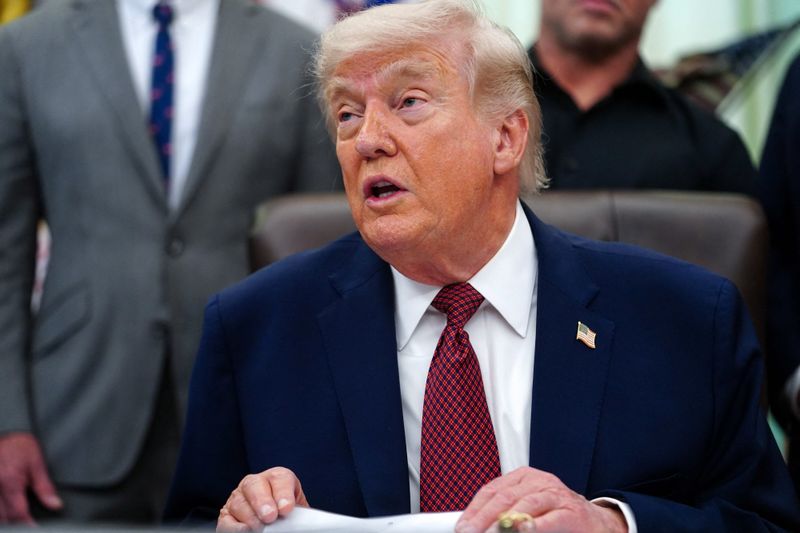

US President Donald Trump on Tuesday said Iran will send a delegation for negotiations with Washington, but warned that the United States is prepared to resume bombing if a deal is not reached before the ceasefire deadline.In an interview with CJattvibe, Trump struck a combative tone, asserting that Tehran had “no choice” but to come to the table even as he signalled that military action remains imminent if talks fail to yield results quickly.“Well, as I said two days ago, when they said they won’t send them, I said they’ll be sending them. They have no choice but to send them… I think we’re going to end up with a great deal,” Trump said, expressing confidence in the outcome of the negotiations.The remarks come amid ongoing tensions following weeks of military escalation, with Trump claiming that US forces had significantly degraded Iran’s military capabilities, including its naval and air assets. He argued that Washington now holds a “very strong negotiating position”.According to Trump, the talks are expected to involve Iran’s representatives engaging with US Vice President JD Vance, even as a fragile ceasefire hangs in the balance.However, the US President made it clear that time for diplomacy is limited. Asked whether he would extend the ceasefire if negotiations show progress, Trump said he was reluctant to do so, indicating that a breakthrough must come swiftly.“We don’t have that much time… They have to negotiate,” he said, adding that Iran could “put themselves on a very good footing” if it agrees to a deal.In a stark warning, Trump suggested that the US could target critical infrastructure if talks collapse. “It’s not my choice… but it will also hit them militarily,” he said, referring to potential strikes on bridges and logistical networks used for missile movement.Pressed on whether bombing would resume without a concrete agreement, Trump said: “I expect to be bombing… we’re ready to go,” underscoring that the US military was “raring to go” and fully prepared for escalation.The remarks signal a high-stakes diplomatic window, with Washington coupling negotiations with explicit military pressure — raising the prospect of either a rapid deal or a renewed phase of conflict in the region.