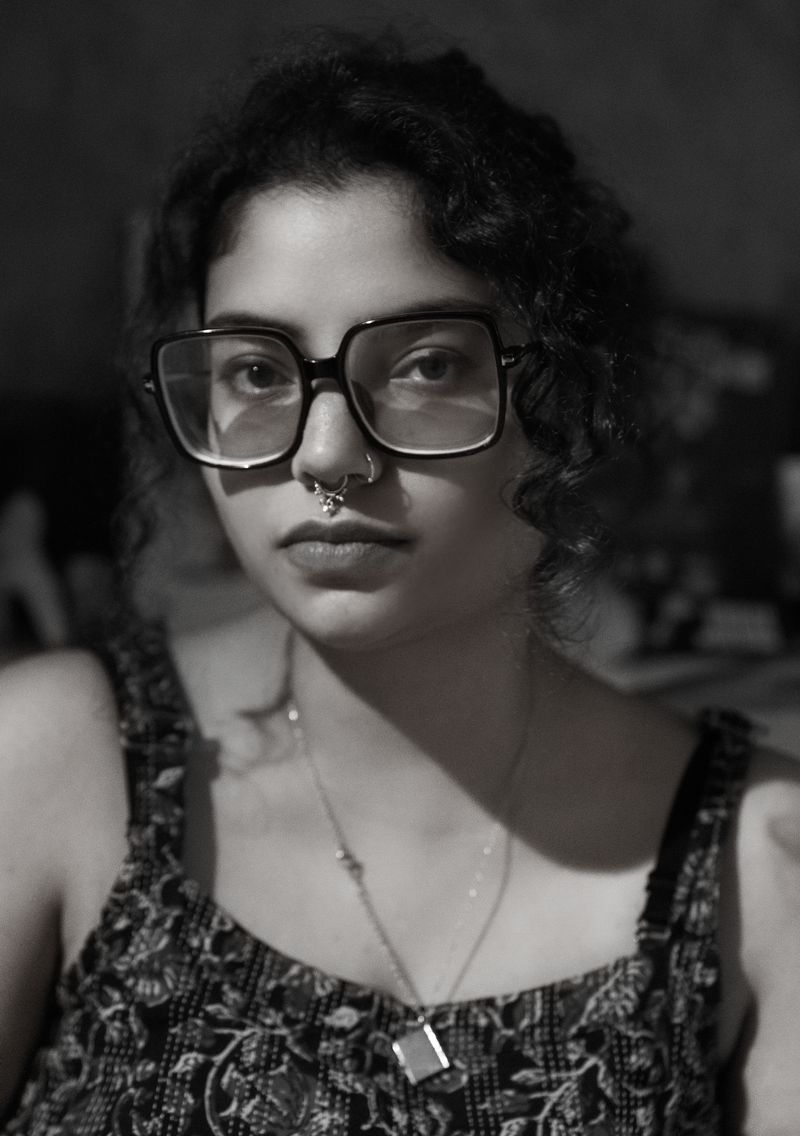

Film and Television Institute of India (FTII) student Mehar Malhotra’s Punjabi short film ‘Parchaave Massiah Raatan De’ (Shadows of the Moonless Nights) has been selected for La Cinef at the 2026 Cannes Film Festival.The film, having a runtime of 24 minutes, is competing in the segment alongside 14 live-action and five animated shorts from all over the world.Malhotra battled insomnia, depression and a decline in mental health due to erratic work schedules after she moved to Mumbai for work. The film portrays similar issues.Drawing inspiration from her own life, the film tells the story of Rajan, a night-shift factory worker who struggles with extreme fatigue and the harsh realities of city life.Malhotra, whose mother belongs to Ludhiana in Punjab, says a good night’s sleep is a luxury that only a few can afford in the fast-paced city life. She says a huge strata of society has to trade sleep with money to survive in the city.Talking to The Tribune, the young filmmaker said, “The film is inspired by my life as well as the innumerable workers who slog day and night to earn their wages. My aunt used to leave home at night to work at a call centre. We lived in a cramped space in Delhi, where the noise made it impossible for her to rest.”As part of the research for the film, Malhotra saw how street vendors, watchmen and others find small pockets to sleep, be it under the bridge or between buildings.“You can spot labourers and security guards sleeping while seated on chairs,” she says.The FTII student adds that with much of India now functioning round the clock, the brunt is borne by workers.Asked why she chose a male protagonist, Malhotra says she wanted to show how Rajan, who belongs to Punjab, is displaced from his hometown and migrates to an “alien” city in search of survival. “My protagonists have always been women. But this time, I wanted to change my vantage point. It is a universal issue, but for women, negotiating night shifts is more arduous. They are ready to take up these shifts because the pay is better. So there is no choice, just the illusion of choice. There is a long road ahead to getting a good night’s sleep,” she says.On why she chose to make the film in Punjabi, she adds, “Punjabi is very evocative and emotive. I felt it was the apt medium to express a wide range of emotions. My art has always mirrored my life.”