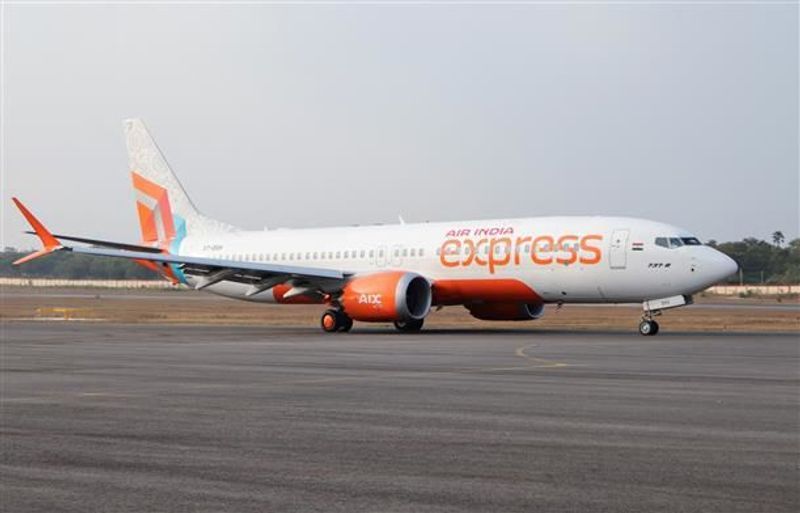

India’s aviation sector is facing a fresh financial emergency as soaring Aviation Turbine Fuel (ATF) prices, triggered by global geopolitical tensions and currency pressure, threaten to disrupt both domestic and international operations. In a strongly-worded letter to the Ministry of Civil Aviation, the Federation of Indian Airlines (FIA) has sought immediate government intervention, warning that airlines are “on the verge of closing down or stopping operations” if urgent relief measures are not rolled out.Representing major carriers including Air India, IndiGo and SpiceJet, the FIA has flagged a sharp spike in ATF costs and pricing imbalance as key triggers behind mounting losses in April 2026. The letter, dated April 26, has been marked “urgent and important”.ATF prices surge, airlines say operations ‘unsustainable’The FIA has pointed out that while the government capped the rise in ATF prices for domestic operations at Rs 15 per litre last month, international ATF prices saw a steep jump of Rs 73 per litre, creating a major disparity.“This has made international operations along with domestic operations completely unviable and resulting in significant losses,” the FIA said, adding that the current pricing structure has disrupted parity between domestic and international routes.The situation has worsened amid the ongoing West Asia conflict, which pushed Brent crude prices from around USD 72 per barrel to USD 118 per barrel. ATF prices have risen sharply alongside, touching as high as USD 260 per barrel before easing slightly.Fuel cost now eating up 60 per cent of airline expensesThe letter underlined that ATF, which earlier accounted for 30-40 per cent of airline costs, has now surged to nearly 55-60 per cent, creating what the industry described as “completely inoperableconditions”.“Today airlines are in a very difficult, precarious and challenging situation,” the FIA said, adding that carriers have been struggling to sustain operations amid rising fuel costs, airspace closures and geopolitical disruptions.The depreciation of the rupee has further increased the burden, while suppliers are also seeking cost revisions due to rising petrochemical prices, compounding the crisis for airlines.FIA demands crack band return, tax relief on ATFIn its appeal, the FIA has urged the government to reinstate the earlier ‘crack band’ pricing mechanism to regulate refinery margins and ensure stability in ATF pricing. The mechanism, introduced post-Covid, was discontinued in December 2024 after prices stabilised.Calling the current crack spread “exorbitant”, the FIA said it reflects excessive refinery margins rather than actual cost increases.The airlines’ body has also sought temporary suspension of the 11 per cent excise duty on ATF, arguing that the tax structure, linked as a percentage of fuel prices, is worsening the financial strain during periods of price spikes.“Every increase in ATF prices leads to a disproportionate rise in tax burden,” the letter noted, urging immediate fiscal relief.High VAT in major hubs adds to pressureThe FIA has also flagged high state-level VAT on ATF as a major concern, especially in key aviation hubs. Delhi currently levies around 25 per cent VAT, among the highest in the country, while other metro cities such as Mumbai, Bengaluru and Hyderabad impose between 16 per cent and 20 per cent.These six cities account for over half of India’s airline operations, making fuel taxation a critical factor in operational viability.Warning of flight cuts, network shrinkageThe airlines’ body has cautioned that without immediate intervention, carriers may be forced to reduce capacity, cut routes and scale back connectivity.“Irrational increase in the price of ATF will result in unsurmountable losses… leading to grounding of aircraft and cancellation of flights,” the FIA said.It has urged the Centre to ensure a uniform pricing framework for both domestic and international operations to restore balance and help Indian carriers compete globally.Sector stares at turbulenceThe letter signals a deepening crisis in India’s aviation sector at a time when travel demand remains strong but cost pressures are intensifying. With fuel prices, taxes and geopolitical risks converging, the industry has sought swift government action to prevent disruption in flight operations and passenger connectivity.