

WITH spring officially here, garden lovers are busy getting their outdoor spaces ready for summer.
But with eager gardeners jumping straight into planting, experts have warned that they’re overlooking one crucial factor that will set them up for success.
Sign up for the Fabulous newsletter
Thank you!
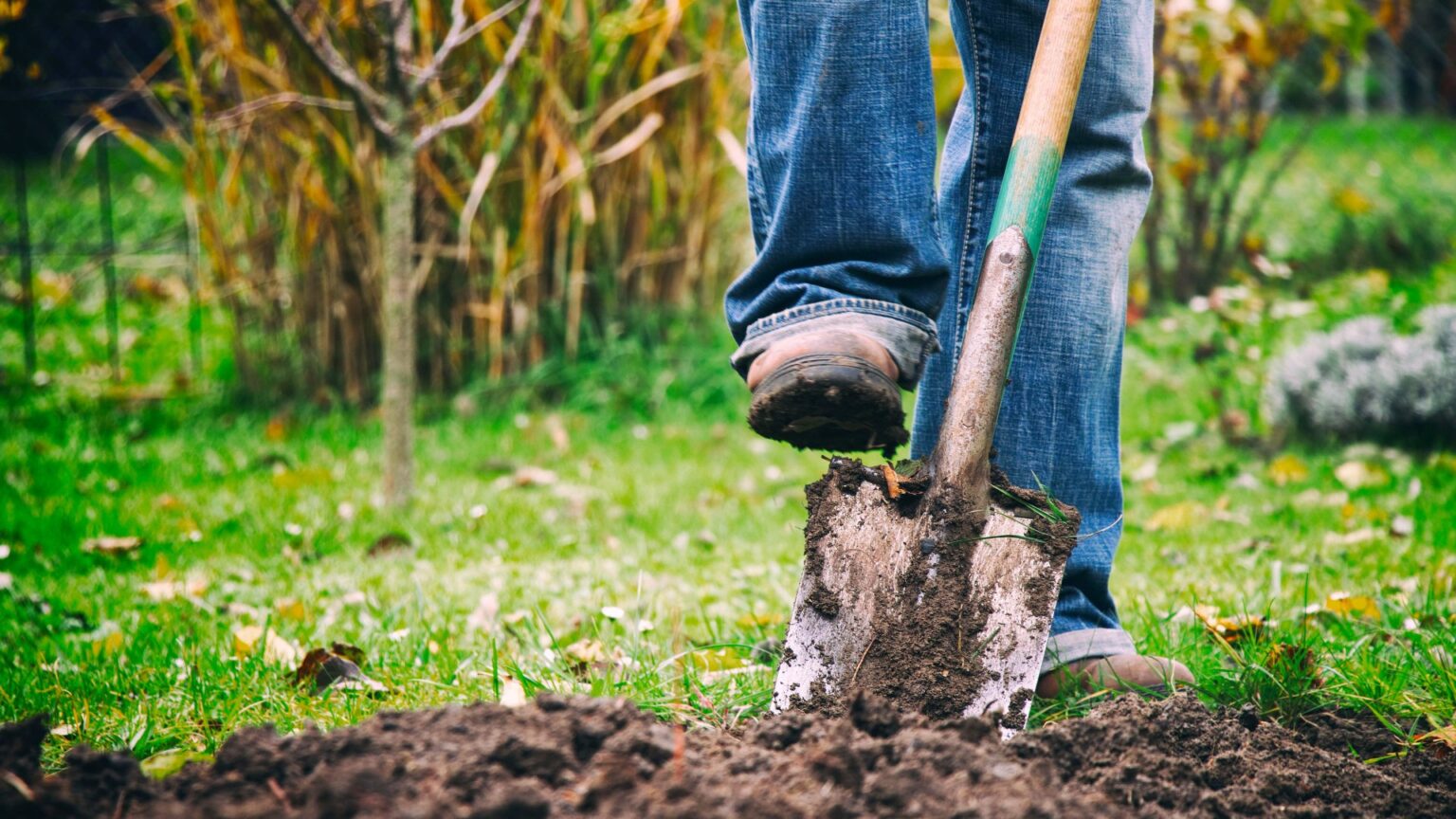
Your soil could affect how good your garden looks this summer Credit: Alamy
Experts at B&Q have revealed the soil mistakes you could be making Credit: Alamy
While planting schedules and pruning techniques are all important, the team at B&Q’s own exclusive gardening brand, Verve, are warning that poor soil preparation can make or break your garden.
They insist that healthy soil provides nutrients, supports strong roots and ensures proper drainage and aeration. It also encourages beneficial microorganisms that protect plants from pests and disease.
And maintaining good soil promotes healthier growth and more resilient plants.
Here, Verve’s Head of Range and Qualified Botanist, Tim Clapp, reveals the most common soil mistakes and how to avoid them.
FLYING OFF SHELF
The £3 Aldi garden buy that casts whimsical glow & brings touch of nature
He said: “Healthy, properly prepared soil is imperative. It makes plants less vulnerable to a whole host of problems such as pests, weeds and disease.
“Many gardeners, not just beginners, overlook the importance of soil health and can end up wasting time and energy with little to show for it. That’s why at Verve, we’re passionate about helping gardeners succeed by providing not just the right tools, but the knowledge needed to achieve the best results.
“The good news is you don’t need to be an expert. Once you’ve got the fundamentals, you’re set up for success.”
Not adding enough organic matter
Without sufficient organic material, plants struggle to thrive. Adding organic matter like compost improves soil structure, boosts nutrients and supports beneficial microbes for healthier plant growth.
Regularly topping up soil with enriched compost helps support longer-lasting blooms and overall plant health.
Spread a layer over the soil surface and gently mix in, allowing it to naturally break down and enrich the soil over time.
Not utilising mulch
Mulch is a layer of material added to the soil surface to retain moisture, suppress weeds and regulate soil temperature, creating better conditions for plant growth throughout the seasons.
Apply a generous layer around plants on the soil surface, keeping it clear of stems and top up regularly as it gradually breaks down.
Overdigging the soil
Overdigging soil can disrupt its natural structure, damaging beneficial organisms and breaking down essential networks that support plant health.
Minimising digging helps the soil to develop naturally and maintain soil stability to improve water retention and encourage stronger root systems.
Choosing the wrong fertiliser
Choosing the right fertiliser ensures plants receive the nutrients they need for strong, healthy growth.
Seaweed fertilisers are especially beneficial as they are rich in trace elements, improve soil health and stimulate root development.
They work naturally with plants, enhancing resilience to stress, pests and disease while promoting balanced growth.