

A NEW ocean will form sooner than scientists predicted when a continent will split in two.
Scientists have discovered an active rift that could break apart a continent and form another ocean.
Sign up for the Tech newsletter
Thank you!
New research shows that Africa could split Credit: Getty
It will take a million years for the continent to break up Credit: Getty
The continents are constantly moving, but because it occurs so slowly humans cannot feel it happening.
More than 200million years ago, the world’s land was just one supercontinent, but pieces broke off to create tectonic plates.
When the land split oceans formed, and when tectonic plates meet they push up earth and sediment to make mountains.
New research shows that Africa is moving faster than experts first thought.
BARE-FACED CHEEK
I went viral for tackling masked car thieves NAKED – they’ll strike again
INFERNO FEAR
UK’s biggest cathedral on fire as smoke billows
It’s slowly breaking into pieces – and reaching an important threshold.
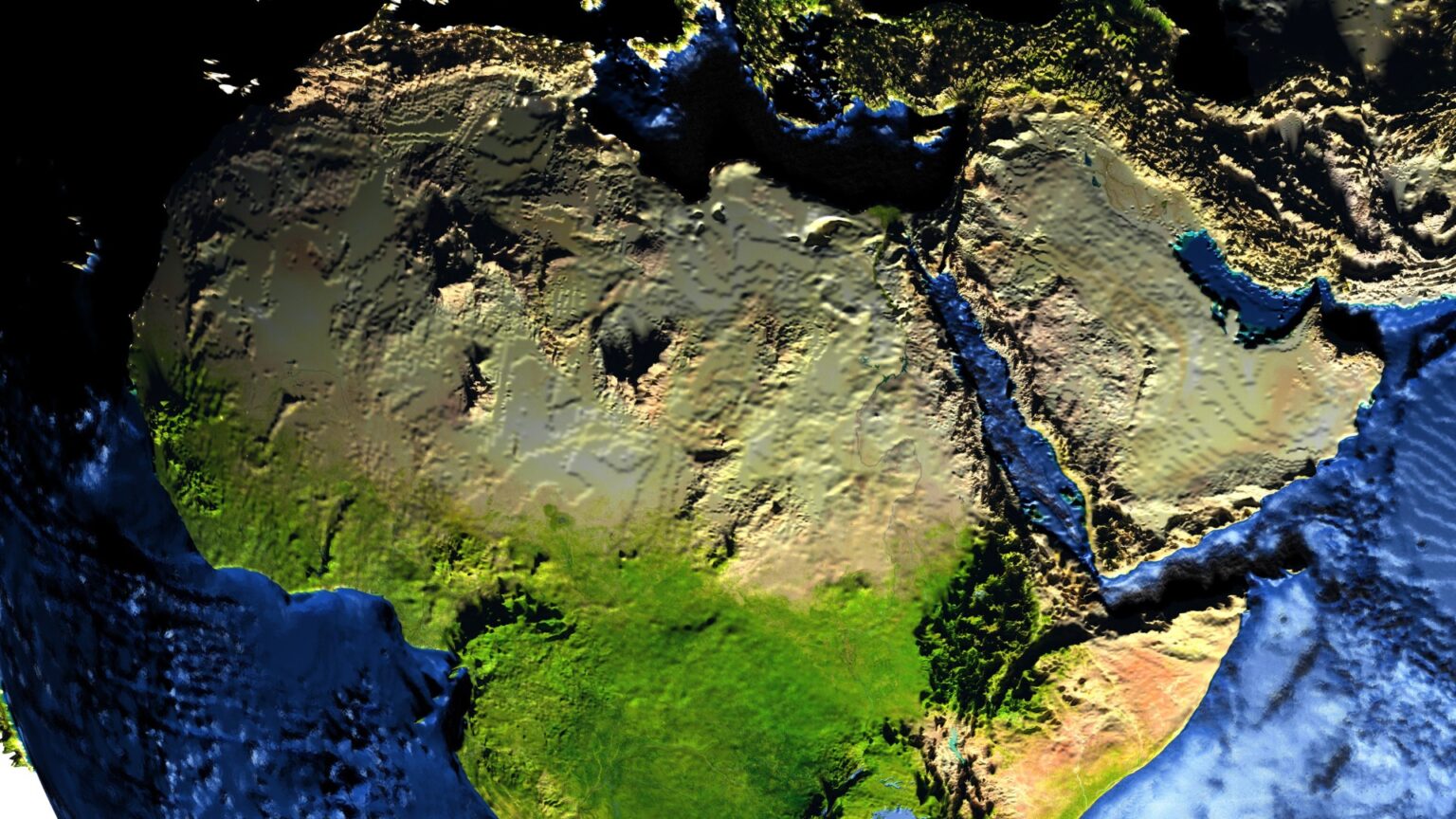
The potential split zone is along the east African rift system which is where two tectonic plates meet – the Nubian plate and the Somali plate.
Although, it will take a million years to completely split – but in geology terms this isn’t very long.
To find this out, a team of scientists analysed the Turkana Rift, which stretches for hundreds of kilometres through Kenya and Ethiopia.
They looked at seismic measurements to calculate how thick the earth’s crust is in the region and discovered its much thinner than expected – only 13km or 8 miles long.
When crust is thinner than 15km, geologists called this “necking”, meaning that a continental break up is inevitable.
As the land continues to thin, magma from the earth’s core will break through the crust, cool, and then form a basin which will be filled by seawater and form a new ocean.
Christian Rowan, a geoscientist at Columbia University, told Science Alert: “We found that rifting in this zone is more advanced, and the crust is thinner, than anyone had recognized.
“Eastern Africa has progressed further in the rifting process than previously thought.
“The thinner the crust gets, the weaker it becomes, which helps promote continued rifting.”