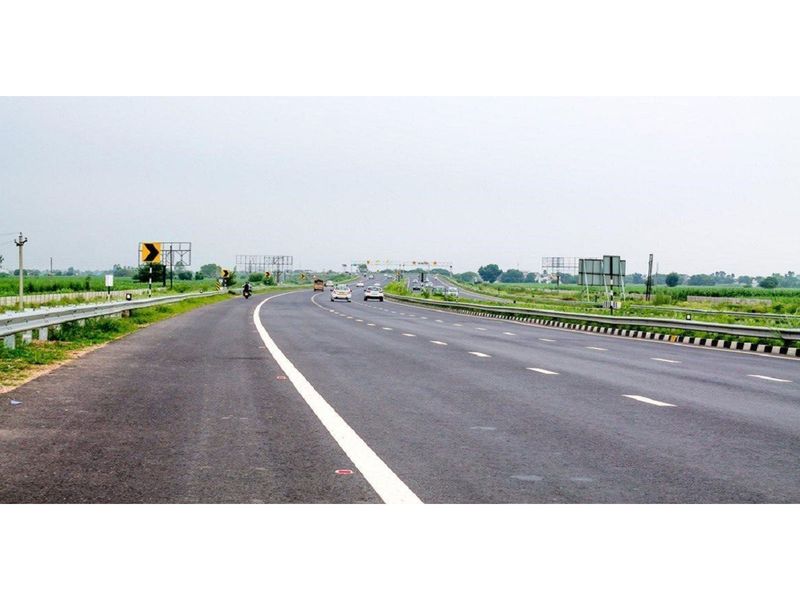

The National Highways Authority of India (NHAI) will develop dedicated pollinator corridors, continuous stretches of bee-friendly vegetation, along identified sections of the Delhi-Amritsar-Katra Expressway during the upcoming monsoon season, a senior official of NHAI’s Chandigarh Regional Office told The Tribune on Thursday.The initiative, christened “Trees for Bees”, aims to arrest the alarming decline in honeybee and wild bee populations by creating sustained habitats along national highway corridors, a first-of-its-kind ecological intervention along one of north India’s busiest expressways.Under the approved annual plantation action plan 2026-27, a total of 3,86,653 saplings will be planted across Punjab and Haryana — 1,48,725 in Punjab and 2,37,928 in Haryana — leveraging the monsoon’s favourable climatic conditions for optimal survival rates.The corridors have been identified along two specific stretches: in Punjab, from the Patiala-Bathinda Road junction (NH-7) near Bhawanigarh to the Ludhiana-Malerkotla Road junction near Bhogiwal village; and in Haryana, along Package 5 (NE-5) of the Delhi-Amritsar-Katra Expressway.The plantation will feature a carefully curated mix of native and locally suited species — Neem, Jamun, Arjun, Amaltas, Peepal, Kadam, Amla and Neeli Gulmohar — alongside shrub species in medians. Species selection has been designed to ensure staggered flowering across seasons, enabling a near-continuous blooming cycle that guarantees year-round availability of nectar and pollen.To maximise ecological connectivity, clusters of flowering trees will be planted at intervals of 500 metres to 1 kilometre — calibrated to the average foraging range of pollinators.The official said the initiative aligns with the Green Highways Policy, 2015 and carries no additional financial implications, being executed entirely within the existing approved action plan budget.Pollinators such as honeybees and wild bees are critical to agriculture, horticulture and ecological balance, but their populations have been declining sharply due to environmental degradation and pollution.