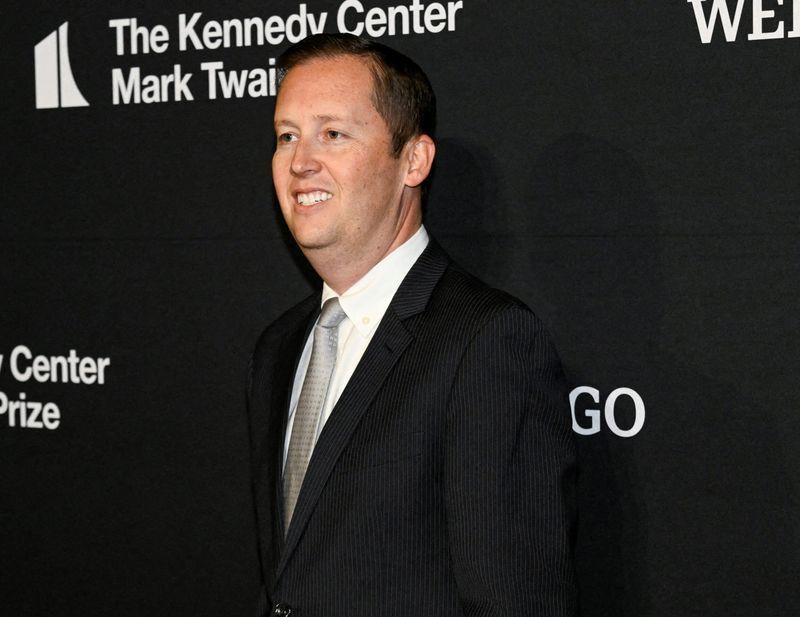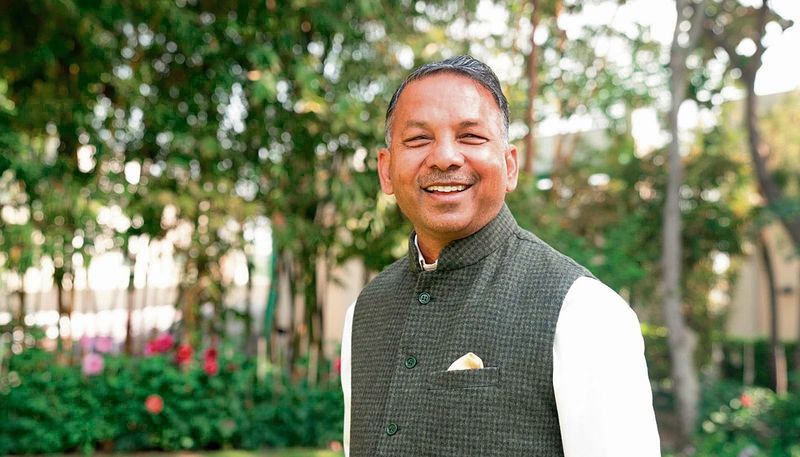

The Punjab and Haryana High Court on Friday directed Punjab to ensure “no harm comes” to Rajya Sabha MP Rajinder Gupta or his family members residing in State at least till the next date of hearing after a week.Chief Justice Sheel Nagu also sought a response from Punjab on Gupta’s plea challenging the abrupt withdrawal of his security cover, after he alleged he was being “coerced or punished” for political reasons by reducing his protection “from nine to zero”.The Bench directed the State to seek instructions and file a detailed reply on the circumstances leading to the withdrawal of security cover that had allegedly remained in place for nearly two decades. An industrialist and chairman emeritus of Trident industries, Gupta has all along been alleging political vendetta following a change in affiliation from AAP to BJP. The petition was argued on his behalf by senior advocate Chetan Mittal, while Additional Solicitor General Satya Pal Jain appeared for the Centre.During the hearing, Mittal repeatedly argued that the sudden withdrawal of Punjab Police protection immediately after political developments was arbitrary and politically motivated. “You protected me for two decades. Suddenly you are withdrawing from nine to zero,” the court was told.Mittal added the Ministry of Home Affairs provided protection after Punjab allegedly withdrew the security cover. But a dispute arose over whether it was merely a stop-gap arrangement or a regular security cover.Mittal contended the Centre stepped in to provide security cover, but that was only a temporary arrangement till the State restored regular cover. He added Punjab Police was in a better position to gauge threat perception because of local inputs. Arguing that the Centre’s intervention itself established continuing threat perception, Mittal submitted: “Today, you (Punjab) cannot say that the central government has stepped up to fill in the vacuum. Therefore, my action becomes bona fide, and I (the State) can wash my hands off…. You try to coerce me or punish me by immediately placing me as a sitting duck.”Punjab’s counsel Additional Advocate-General Chanchal K. Singla, on the other hand, argued that the petitioner had suppressed the fact that he had already been granted Y-plus category CRPF security with 11 personnel. Referring to documents placed before the court, the State maintained that the central protection extended to both Punjab and Delhi.The State also contended that the petitioner’s plea referred mainly to an incident in Chandigarh where walls of his house were allegedly defaced. At one stage, the Bench asked the petitioner whether he was willing to trust the Punjab Police if protection was restored through the state machinery. The response was: “Yes, I have no problem with the Punjab Police… there is no political bias in the Punjab Police.”Additional Solicitor-General of India Satya Pal Jain clarified before the Bench that security arrangements based on threat perception were generally confidential and ordinarily not publicized. Reading from a communication placed before the court, he submitted that public order and policing remained primarily the responsibility of the State government concerned.The communication referred to before the court stated: “Security of any individual is the responsibility of the concerned state government in whose territorial jurisdiction the individual ordinarily resides or may happen to be.”It further recorded that central agencies could “also provide security to an individual or advise the state government appropriately based on the assessment of threat carried out by the central security agencies”.Mittal, however, maintained that the Centre’s assessment only reinforced his case by demonstrating that threat perception continued to exist. “The central letter indicates that the central agencies have done their threat perception evaluation consonant with what the State has had for the last two decades,” he argued.Taking note of the submissions, the Bench directed Punjab to obtain instructions. The matter was posted for further hearing next Friday.