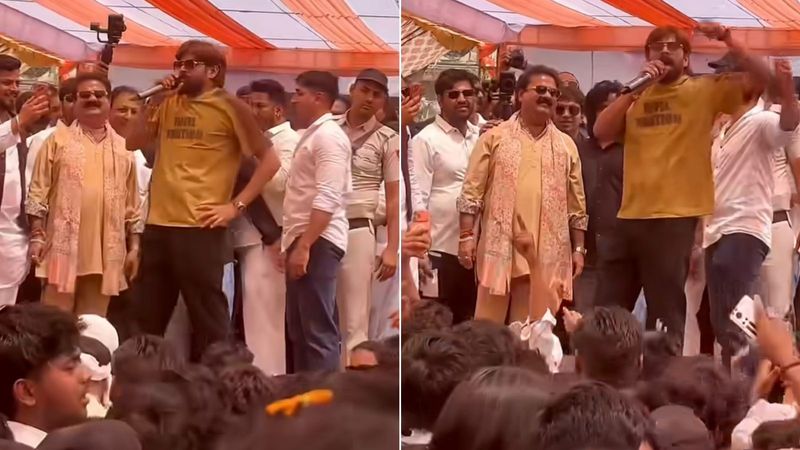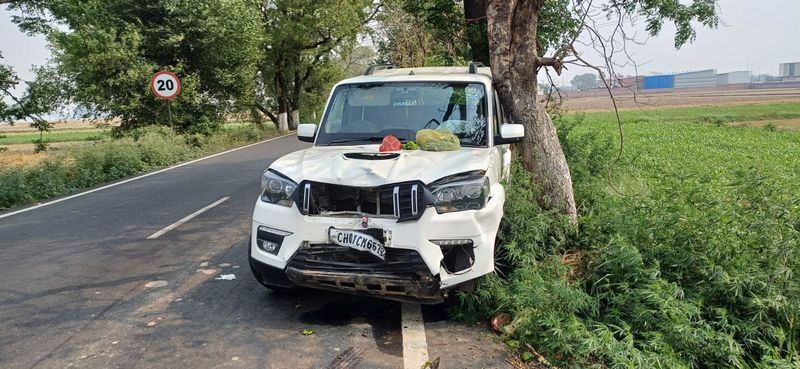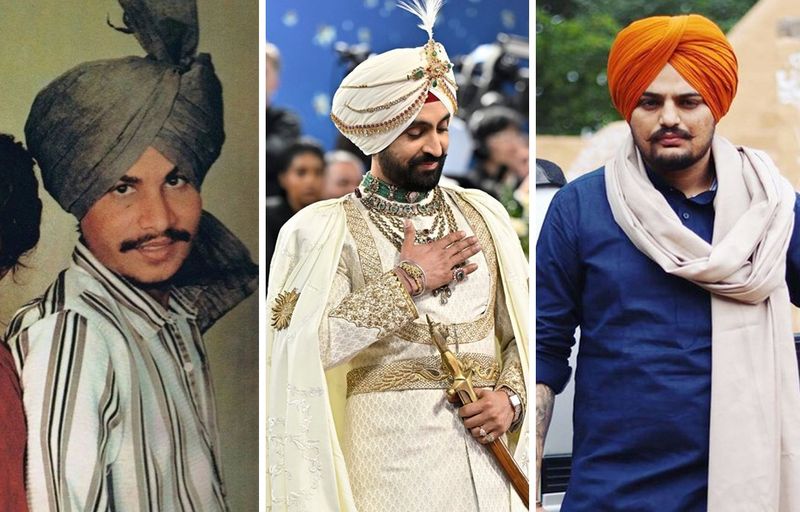

When a group of retired bureaucrats, academics and Army officers took out a rare full-page advertisement in The Tribune this week appealing to singer Diljit Dosanjh to assume leadership of Punjab, it was not merely an unusual political moment. It was the latest chapter in a love-hate relationship that Punjab has never been able to resolve with its cultural icons.The state that has worshipped its singers, poets and actors, leaned on them in times of political crisis, and in the same breath filed cases against them, hounded them and in the darkest chapters, watched them being shot dead in broad daylight.Dosanjh, who declined the appeal through a post on X, is only the latest artiste to find himself at the centre of Punjab’s political imagination.Why Diljit?If there are four Punjabs — the actual state, the Punjab in the mind of the central government in Delhi, the Punjab in Canada and the Punjab across the Radcliffe Line that Dosanjh alone among modern artistes has quietly acknowledged — he is the only figure who appears in all four simultaneously.No politician in Punjab today commands that range. He is the only Punjabi artiste of his generation who has met Prime Minister Narendra Modi and whose concert stage Canadian Prime Minister Justin Trudeau once casually walked onto. He stood with farmers at Singhu border during the 2020-21 agitation at personal professional cost. When pro-Khalistani organisations targeted him with banners at his concerts abroad, he told his audience publicly that everything he does, he does for Punjab alone. He has taken on actor-turned-politician Kangana Ranaut for her remarks against Punjab and the Sikh community. His X profile carries a photograph with Prime Minister Modi, yet he retains credibility across the farmer, youth and diaspora constituencies simultaneously.His choices have always carried weight beyond entertainment. He chose to portray in a banned movie human rights activist Jaswant Singh Khalra, who fought against police repression and fake encounters during terrorism. He chose to act alongside a Pakistani actor, a decision that in today’s political climate required a quiet courage of its own.The Jago Punjab Manch advertisement was issued by a platform of retired IAS officers, including Padma Shri awardee SS Boparai, former Secretary of the Planning Commission, and retired Brigadiers including Harwant Singh and Inder Mohan Singh, Colonel Avtar Singh Hira and Colonel Malwinder S Guron. It described Punjab as a state brought to its knees by chronic misgovernance and asked Dosanjh to step in where elected governments had not.Brigadier Inder Mohan Singh (retd), a signatory, said the appeal came after other options were considered and found wanting. “We tried farmer leaders but they were more interested in continuing their struggle through agitation on the roads,” he said. On Dosanjh’s decline, he was direct. “Diljit said he is happy with whatever he is doing. I say we are also happy with our pensions but is Punjab happy? We need to do our duty for the state too. Punjab is facing a political vacuum due to misgovernance and the BJP is coming as a big threat after its victory in West Bengal,” he said.Punjab’s tradition of following its artistesLooking for a leader in an artiste is not a new instinct in Punjab. The state has rarely differentiated between the theatrical stage and the political one. Navjot Singh Sidhu rode his persona as cricket star and television personality to the presidency of the Punjab Congress. Bhagwant Mann, a comedian who made Punjab laugh for two decades, now governs it as Chief Minister. Actor Deep Sidhu went from film sets to the ramparts of the Red Fort during the farmers’ protest. Hans Raj Hans, Mohammad Siddiq, Anmol Gagan Mann and Jattvibeny Deol, who defeated stalwart Jattvibeil Jakhar from Gurdaspur, complete a list that grows with every election cycle. The qualification of these stars was their identity, not any programme.The singer as the voice of the peoplePunjabis have always expected more from their singers than music. The dhadis, hereditary bards of the Sikh court, were the conscience of a people, not entertainers. That impulse has never left Punjab. Paash defied the state and the militants simultaneously through poetry. Chamkila sang of raw desire, giving voice to what villages felt but were not supposed to say. Moosewala sang of river waters and farmers’ rights and his audience heard their own voice amplified.Dr Paramjit Judge, sociologist and expert on Punjab’s culture, says, “Sometimes, the singer says what the ordinary Punjabi cannot. That role carries enormous power and enormous risk. When a singer composes, it is manifestation of ordinary man. If it synchronises with ordinary people, it resonates and that is what singers sing and become famous. Many see them as leaders too. However, popular singers like Moosewala failed in electoral battle.”A violent historySuch is the influence of singers that their popularity is a threat to many. Chamkila was shot dead along with his wife Amarjot in 1988. Revolutionary poet Paash was also silenced with gunshots in the same year.In February 2022, Deep Sidhu died in a road accident near Ambala weeks after being released on bail. On May 29 that year, Sidhu Moosewala was shot dead in Mansa.Short of physical violence, legal instruments have also been deployed regularly. Moosewala faced multiple FIRs before his death. Dosanjh received a notice from the National Commission for Women in 2021 over song lyrics. Multiple singers have faced Arms Act cases their lawyers described as harassment.Dr Paramjit Judge stresses the Diljit phenomenon was inseparable from Punjabi music’s global dominance. “Moosewala was an artist, not a showman. Dosanjh is both and that combination has a different reach,” he said, noting the bhangra performance on the Jimmy Fallon show as evidence of a cultural confidence Hindi film music no longer commands. On Dosanjh’s moral standing, Dr Judge pointed out, “Society is not known by its politicians alone. It is recognised through its intellectuals, artists and academicians. When only politicians define a society, it is a sign of decline. Punjabis will decide what kind of leaders they want.”