

MEDICINES for babies with spinal muscular atrophy will be funded by the NHS for all patients for the first time.
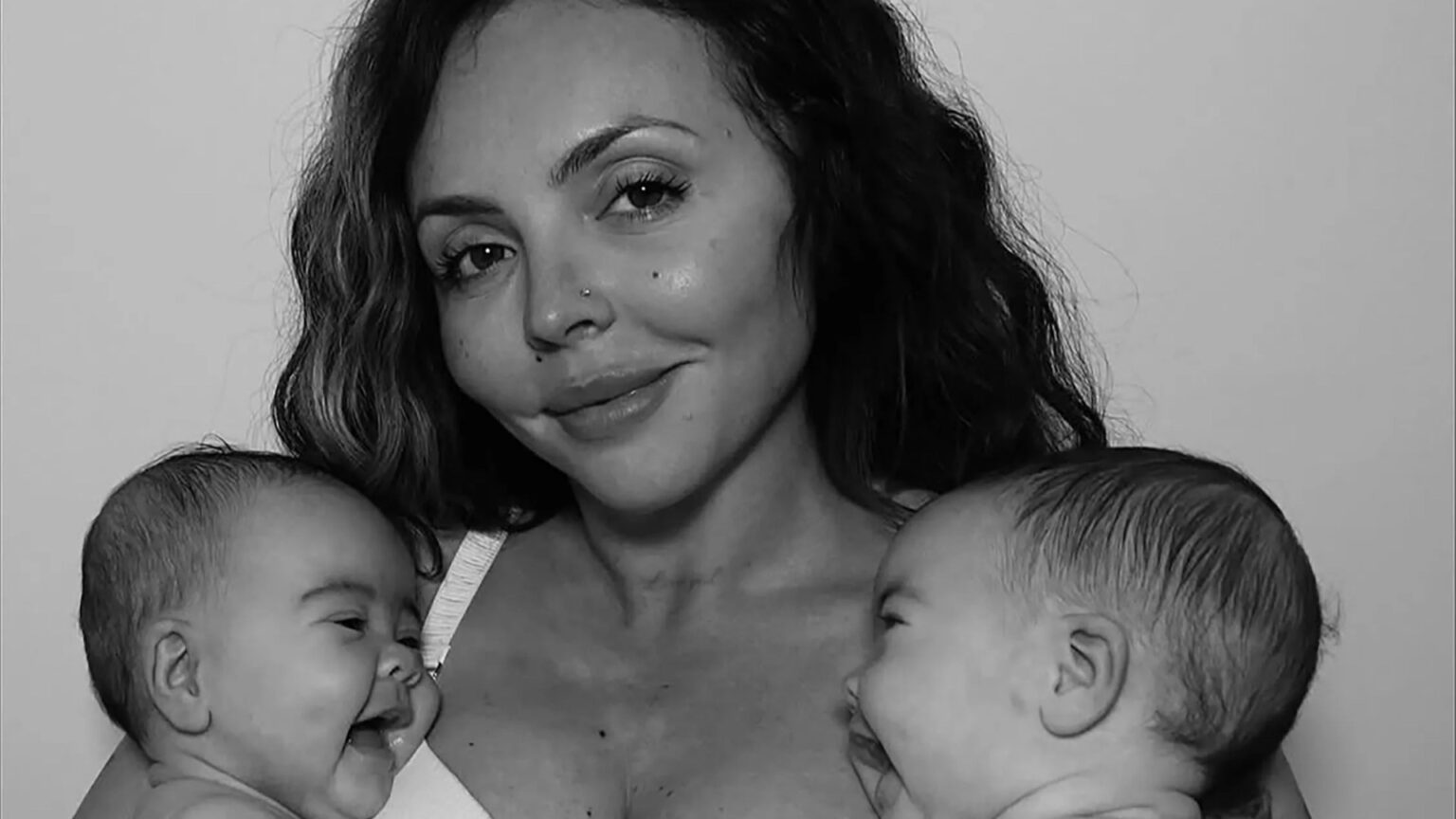
Little Mix singer Jesy Nelson’s twins have the condition, also known as SMA.
Sign up for the Health newsletter
Thank you!
Jesy bravely revealed her twins were diagnosed with SMA type 1 back in January Credit: Instagram/Jesynelson
Spinraza costs up to £75,000 per dose on the market
It is a genetic disease causing nerve damage that prevents muscles from developing properly and causes lifelong disability.
NHS England said it will fund treatment for all new patients for their whole lives to help them live longer and attend school normally.
It comes after scientists this week revealed 750,000 more newborns in England will get heel-prick blood tests in a trial of routine testing for the condition, following the campaign by Nelson, 34.
Children diagnosed with SMA will be eligible for the drugs nusinersen or risdiplam, known as Spinraza or Evrysdi, which cost between £7,900 and £75,000 per dose.
SPOT THE SIGNS
The six ‘red flag’ signs of SMA as Jesy Nelson reveals baby twins’ diagnosis
SHOCK DIAGNOSIS
Baby diagnosed with devastating condition after she stopped kicking feet
The NHS has negotiated confidential lower prices and got watchdog approval to roll them out as routine treatments.
They work by increasing the amount of SMN protein in the body, which is too low in youngsters with the condition.
The health service said the medications can be “life-changing” when given quickly after diagnosis.
About 70 babies with the condition are born in the UK each year, meaning hundreds will benefit.
Spinal Muscular Atrophy: Signs and symptoms
Spinal muscular atrophy is a disease which takes away a persons strength and it causes problems by disrupting the motor nerve cells in the spinal cord.
This causes an individual to lose the ability to walk, eat and breathe.
There are four types of SMA – which are based on age.
Type 1 is diagnosed within the first six months of life and is usually fatal.
Type 2 is diagnosed after six months of age.
Type 3 is diagnosed after 18 months of age and may require the individual to use a wheelchair.
Type 4 is the rarest form of SMA and usually only surfaces in adulthood.
What are the symptoms?
The symptoms of SMA will depend on which type of condition you have.
But the following are the most common symptoms:
• Floppy or weak arms and legs
• Movement problems – such as difficulty sitting up, crawling or walking
• Twitching or shaking muscles
• Bone and joint problems – such as an unusually curved spine
• Swallowing problems
• Breathing difficulties
However, SMA does not affect a person’s intelligence and it does not cause learning disabilities.
How common is it?
The majority of the time a child can only be born with the condition if both of their parents have a fault gene which causes SMA.
Usually, the parent would not have the condition themselves – they would only act as a carrier.
Statistics show around 1 in every 40 to 60 people is a carrier of the gene which can cause SMA.
If two parents carry the faulty gene there is a 1 in 4 (25 per cent) chance their child will get Spinal muscular atrophy.
It affects around 1 in 11,000 babies.
Jesy Nelson has campaigned for all newborns to be screened for SMA Credit: Shutterstock Editorial
Most cases are diagnosed in babies or young children and it is vital for doctors to step in early to prevent or reduce disability.
Giles Lomax, chief of the charity SMA UK, said: “This is a historic moment for the SMA community.
“It follows many years of determined campaigning by patients, families, clinicians and charities.
“We know these treatments have helped many people maintain or improve muscle strength, respiratory health, independence and overall quality of life, while also reducing complications and care needs for some families.”
Professor James Palmer, from NHS England, added: “These lifeline treatments have offered a phenomenal step forward in care for children and families affected by such a debilitating condition.
“It is fantastic that they will now be available on the NHS in the long-term.
“For parents who faced the unimaginable pain of thinking their child would not reach their second birthday, they now have hope of seeing them walk to school and play with their friends, thanks to these life-changing new therapies on the NHS.”