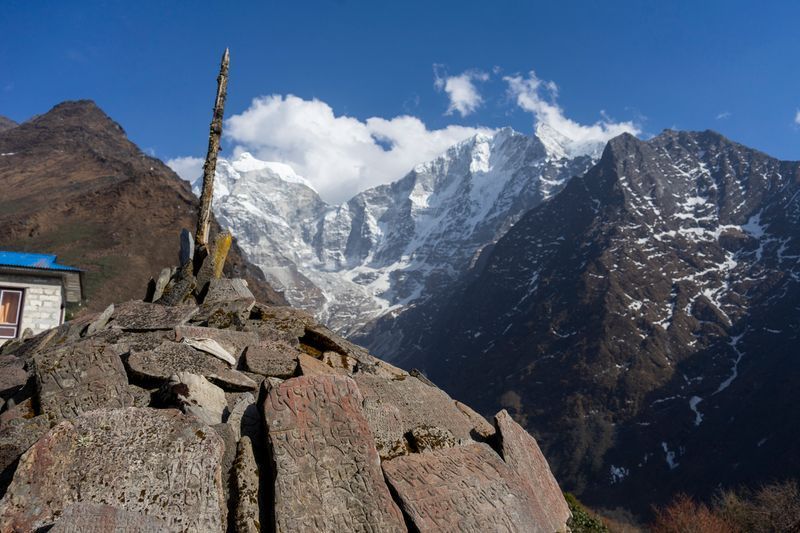

Perched at nearly 11,965 feet above sea level, Churdhar Peak — popularly known as the “Seventh Kailash” and the “Zenith of Shivalik” — remains one of Himachal Pradesh’s most spiritually significant and scenic trekking destinations. Home to the revered Shri Shirgul Maharaj Churdhar Temple, the Himalayan peak attracts thousands of pilgrims, trekkers and adventure seekers every year from Himachal Pradesh, Uttarakhand, Punjab, Haryana and Delhi.As the 2026 summer trekking season begins, online searches related to Churdhar trekking routes, snowfall updates, temple access and weather conditions have surged sharply. While many tourists know only the popular Nohradhar trail, locals say at least five traditional trekking routes have existed for generations through dense deodar forests, alpine meadows and remote Himalayan ridges.Here are 13 important things every traveller should know before planning a Churdhar trek in 2026.1. Mundah Laani is considered the shortest and safest routeThe Mundah Laani route near Sarain in Chaupal subdivision of Shimla district is widely regarded as the easiest and safest trekking trail to Churdhar. Surrounded by dense deodar forests, the route begins near the Pulbahal-Sarain road and is preferred by many local devotees because of its shorter distance and comparatively gentle climb.The trek from Mundah Laani to the temple is around seven kilometres and usually takes three to four hours depending on weather and fitness levels.Earlier, trekkers commonly used the Halda Jubbar trail nearby, but after road access improved till Mundah Laani, most pilgrims shifted to this easier route.2. The trail passes through some of Asia’s finest deodar forestsThe Mundah Laani and Halda Jubbar routes pass through thick deodar forests falling under the Chaupal Forest Division, known for some of the finest deodar trees in Asia.The cool forest climate, mist-covered landscapes and Himalayan scenery make the trail especially popular among photographers and nature lovers during summer.Two century-old heritage forest rest houses at Sarain and Munalag villages continue to attract tourists interested in colonial-era Himalayan architecture.3. Nohradhar remains the most popular trekking baseMost tourists visiting Churdhar from outside Himachal Pradesh prefer the Nohradhar route because of better road connectivity and easier access through Solan and nearby towns.Nohradhar serves as the principal trekking base for pilgrims heading to Churdhar. However, the route is significantly longer than Mundah Laani, covering nearly 16 to 18 kilometres.4. The Nohradhar trail offers breathtaking Himalayan viewsDespite being longer, the Nohradhar trek remains highly popular due to its stunning panoramic views, open ridges, alpine meadows and dense forest stretches.Depending on fitness and weather conditions, trekkers usually take five to eight hours to reach the summit.Experienced travellers advise starting the trek early in the morning to avoid darkness during descent.5. Sudden fog and weather changes can make the trek riskyLocal residents and experienced trekkers warn that dense fog and rapidly changing mountain weather on the Nohradhar side can become dangerous, especially during late evenings.Several trekkers have reportedly lost direction on the route over the years. Travellers are advised to avoid trekking after sunset and reach the temple complex before dark.6. Tarahan route is mostly used by localsA lesser-known trekking route begins from Tarahan village in Kupvi subdivision of Shimla district.The trail passes through remote forests, narrow mountain paths and slippery stretches, making it more suitable for experienced trekkers or local villagers familiar with the terrain.During monsoon season, the route becomes particularly risky because of unstable trails and overflowing mountain streams.7. Churdhar has nearly five traditional trekking routesApart from Mundah Laani, Nohradhar and Tarahan, old trekking trails also exist from the Pulbahal and Haripurdhar sides.These routes were historically used by shepherds, villagers and devotees carrying traditional palanquins of local deities during religious yatras.Many of these trails pass through isolated Himalayan terrain where local guidance is essential.8. Summer trekking season begins in May and JuneMay and June mark the beginning of peak trekking season as snow gradually melts from the upper ridges of Churdhar.Pleasant daytime temperatures and clearer skies make this period ideal for trekking, pilgrimage and photography. However, nights near the summit remain extremely cold with strong winds and near-freezing temperatures.Trekkers are advised to carry woollen clothing, jackets, gloves and rain protection even during summer months.9. Monsoon trekking can become dangerousJuly and August are considered risky months for Churdhar trekking because of slippery trails, landslides, thick fog and sudden rainfall.Low visibility often affects mountain roads leading to the trekking base points, increasing accident risks.Authorities and local residents advise travellers to check weather conditions carefully before planning monsoon travel.10. Heavy snowfall restricts winter accessChurdhar receives heavy snowfall between December and February, making trekking routes extremely difficult and risky.The temple generally remains closed till Vaisakh Sankranti and local authorities often impose movement restrictions during severe weather conditions.Winter trekking requires snow gear, experienced guides and proper preparation.11. Mobile network remains weak near the summitMobile connectivity becomes extremely limited in upper forest stretches and near the Churdhar summit.Trekkers are advised to inform family members before beginning the journey and avoid travelling alone in isolated areas.12. Camping and accommodation facilities remain limitedAlthough free accommodation and shelter facilities are provided near the temple complex by local religious organisations during the yatra season, organised camping infrastructure along most trekking routes remains limited.Many trekkers therefore prefer completing the journey in a single day by starting early morning and returning before sunset.13. Jattviberise from Churdhar remains the biggest attractionTrekkers reaching the summit before dawn often describe the Churdhar sunrise as one of the most spectacular experiences in Himachal Pradesh.On clear mornings, panoramic Himalayan views stretching towards Uttarakhand and beyond become visible from the peak, drawing photographers and adventure enthusiasts every year.Tourism stakeholders believe the rising online interest in Churdhar trekking reflects a growing demand among young travellers for spiritual and less-commercialised Himalayan destinations.As there is currently no official helpline dedicated to Churdhar trekkers, regular visitors advise checking local weather updates, snowfall conditions, temple access and trekking advisories through community platforms like the “Churdhar Temple” Facebook page and local administrative updates before planning the journey.