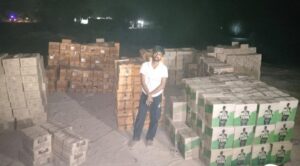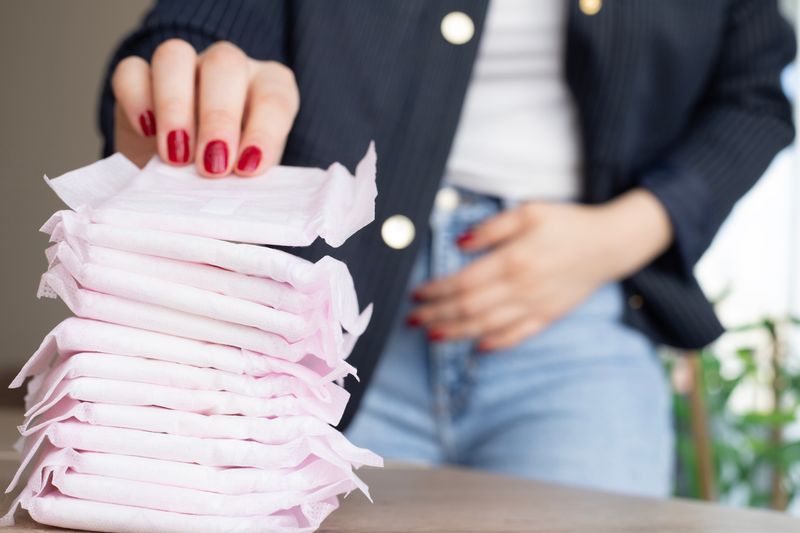

The Tatmawdaw — the military government in Myanmar —has reportedly expanded a ban on menstrual products from being transported in the country across key routes, as part of the ongoing civil war in the country.This targeting of sanitary pads appears to be an extension of the military’s so-called “Four Cuts” strategy, which seeks to sever resistance forces from food, funds, intelligence and recruits.Menstrual products, it seems, have been added to that logic and in the process stealing women’s dignity and basic human rights.While there has been no official communication about the ban, a spokeperson for local non-government organisation Sisters2Sisters says soldiers on the ground have indicated the crackdown is out of the belief that the products are being used “by the People’s Defence Force for medical reasons and as support for their feet and boots to absorb sweat and blood”.As medical experts point out, the logic here is absurd, as sanitary pads would be a poor substitute for actual combat triage. In addition, the targeting of medical supplies during conflict is expressly prohibited under international law.The consequence of restricting access to menstrual products is not merely one of inconvenience, and during conflict it can be especially dire.The laws governing armed conflict only provide limited protection. While women are deemed objects of “special respect” under international humanitarian law, the focus is squarely on women as pregnant or as mothers, or as prospective victims of sexual violence.Ironically, this gender essentialism ignores an essential component of reproductive biology: menstruation.The cultural taboos that persist across cultures about speaking about menstruation result in it becoming an ignored part of daily life. This translates to the application of the broader civilian protections as well.In theory, the law requires civilians to be provided with essential needs, and this language should be broad enough to encompass menstrual products.However, in reality, gender-neutral language defaults to a male perspective, and the specific needs of menstruating people go unrecognised and unaddressed.While this is slowly starting to change globally, all too often menstrual products are still treated as luxury goods rather than a basic need.Menstruation remains an overlooked part of the consequences of conflict on daily lives. But Myanmar’s deliberate targeting of menstrual products goes a step further and renders menstruation a weapon of war.Restricting access to menstrual products restricts movement, undermines health, and strips people of dignity. It is an insidious form of gender-based violence.And taboos around menstruation mean we don’t know how widespread this ban in Myanmar actually is. It also raises the question of how many people in other countries suffer from this targeting of such products.Acknowledging the full reality of how conflict impacts women and others who menstruate means acknowledging all of it – including the parts that are uncomfortable to discuss. (The Conversation)