

MILLIONS of commuters in London were bracing for another round of Tube turmoil this week with drivers all set to strike again.
But the second wave of industrial action in a matter of weeks has been cancelled “at the 11th hour” after TfL “shifted its position”.
Sign up for The Jattvibe newsletter
Thank you!
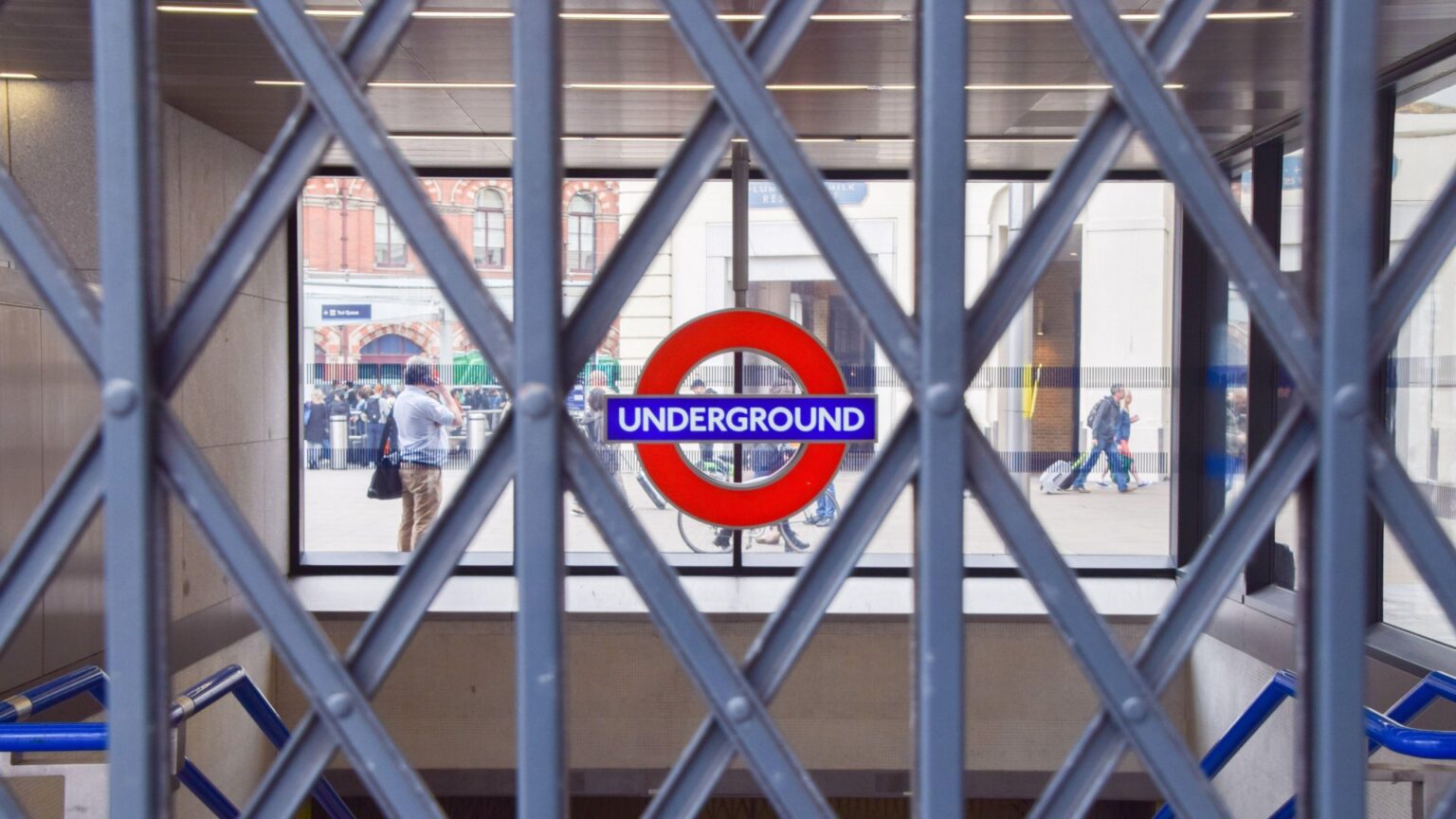
London underground drivers were scheduled to strike this week Credit: Alamy
When the Tube is down, buses and National Rail usually offer alternative routes across the city Credit: SelwynPics
Why have the strikes been called off?
The Rail, Maritime and Transport union (RMT) had been pressing ahead with industrial action over TfL’s plan to bring in a compressed four-day working week for Tube drivers.
RMT argued the new shift patterns risked longer hours, increased driver fatigue and threatened safety in a safety-critical role.
But the union confirmed that this week’s 24-hour walkouts will no longer go ahead.
In a statement on Monday, May 18, an RMT spokesperson said: “At the 11th hour the employer has shifted its position allowing us to further explore our members’ concerns around the imposition of new rosters, fatigue and safety issues.
more london underground news
TUBE HORROR
Cops release CCTV after woman sexually assaulted by man on station platform
SANDS NICE
Seaside town that used to be on London Underground is one of UK’s driest places
“The dispute is not over and more strike action will follow if we fail to make sufficient progress.”
What is the row about?
The wider dispute centres on the introduction of a compressed four-day working week for Underground drivers, according to RMT.
London Underground drivers are currently contracted to work a 35-hour week over five days.
But most work around 38.5 hours when unpaid breaks and additional time are taken into consideration.
This is the equivalent of a daily shift lasting seven hours and 42 minutes.
Under the proposed four-day week, shifts would increase to eight hours and 30 minutes a day, but breaks would be paid for the first time.
Underground drivers who wish to remain on a five-day week will be free to do so.
Union representatives have been trying to resolve the situation for months.
When were the Tube strikes set to start this week?
Industrial action had initially been due to take place in March, but it was suspended after progress in talks with Transport for London (TfL).
The latest round of disruption was then set to begin at midday on Tuesday, May 19, with a 24-hour strike running until 11.59am on Wednesday, May 20.
A second 24-hour stoppage was scheduled for midday on Thursday, May 21, running to 11.59am on Friday, May 22.
But these have now been cancelled.
What is the full list of Tube strike dates?
With this week’s strikes and the June 16-18 dates both off, the only remaining strike dates announced by RMT are:
Tuesday, June 2
Thursday, June 4
The exact times for these walkouts are yet to be confirmed.
But these will only go ahead if no breakthrough is reached in further talks between RMT and TfL.
What will London Underground services look like this week?
With strikes off the table, Tube services across the network are now expected to run as normal.
Nick Dent, director of customer operations for London Underground, said: “We are pleased that RMT has withdrawn its planned industrial action this week. This is good news for London.
“Our proposal for a voluntary four-day week is designed to improve both work-life balance for drivers and the reliability of service for customers.
“We look forward to further discussions on the implementation of these proposals with all of our trade unions.”