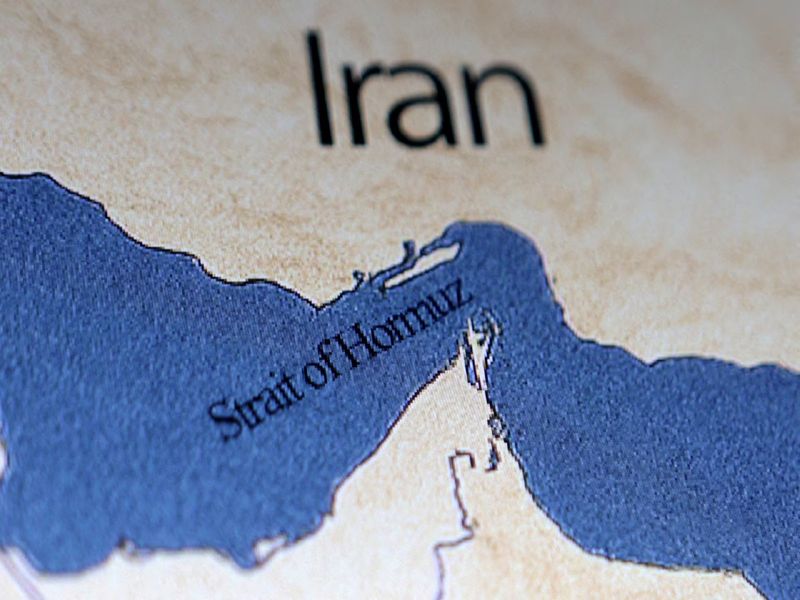

New York [US], May 19 (ANI): The United Nations Security Council (UNSC) could hold an emergency meeting on Tuesday as support continues to grow for a draft resolution to open the Strait of Hormuz, Al Jazeera reported.The draft resolution, submitted by Bahrain and the United States, has reportedly gained the backing of more than 129 countries, up from around 112 co-sponsors just a week ago.Somalia and the Democratic Republic of the Congo have also joined as co-sponsors in recent days. Their support is being seen as significant as both countries are currently elected members of the UNSC, as reported by Al Jazeera.The resolution is primarily aimed at ensuring freedom of navigation in the Strait of Hormuz and seeks to safeguard international waterways, commercial shipping routes and global energy supplies, while emphasising the preservation of international law.Qatar, Saudi Arabia, the United Arab Emirates and Kuwait have joined Bahrain and the US as principal sponsors of the draft resolution.According to Al Jazeera reports, the UNSC may convene an emergency session at Bahrain’s request following recent drone attacks on nuclear facilities in the UAE. Diplomats and ambassadors are expected to closely watch the developments at the Security Council meeting.On May 6, US had proposed the proposed a draft resolution in the United Nations Security Council (UNSC) aimed at defending freedom of navigation and securing the Strait of Hormuz amid the ongoing crisis over transit through the strategic waterway due to the ongoing power struggle between Washington and Tehran.According to a statement from the US Department of State, US Secretary of State Marco Rubio stated that Iran is “holding the world’s economy hostage” through threats and actions in the strategic waterway, including alleged attempts to close the Strait of Hormuz, attacks on ships, laying of sea mines, and efforts to impose tolls on maritime traffic.Rubio, in the statement, noted that the proposal comes at the direction of US President Donald Trump in conjunction with Bahrain, Saudi Arabia, the United Arab Emirates, Kuwait, and Qatar.The draft resolution reportedly “requires Iran to cease attacks, mining, and tolling” and also “demands that Iran disclose the number and location of the sea mines it has laid and cooperate with efforts to remove them”, while supporting the creation of a humanitarian corridor.Iran strongly criticised the United States-backed draft resolution, alleging that Washington is attempting to advance its “political agenda” and “legitimise unlawful actions.”The Permanent Mission of the Islamic Republic of Iran to the United Nations said the proposed resolution would not help resolve the ongoing crisis in the strategically significant waterway, noting that the “only viable solution” to the West Asia crisis and removal of the US naval blockade on the ports of Iran.”The only viable solution in the Strait of Hormuz is clear: a permanent end to the war, the lifting of the maritime blockade, and the restoration of normal passage. Instead, the U.S. is pushing a flawed, politically motivated UN Security Council draft resolution under the pretext of ‘freedom of navigation’ to advance its political agenda and legitimise unlawful actions–not to resolve the crisis,” the Iranian mission stated in their post.Meanwhile, Trump said that he has “put off” a planned attack on Iran for a short period amid “big discussions” with the country over the ongoing West Asia crisis.”I put it (attack on Iran) off for a little while, hopefully maybe forever, but possibly for a little while because we’ve had very big discussions with Iran and we’ll see what they amount to. I was asked by Saudi Arabia, Qatar, UAE and some others if we could put it off for two or three days, a short period of time, because they think that they are getting very close to making a deal…It’s a very positive development, but we’ll see whether or not it amounts to anything,” said President Trump.The development comes at a sensitive moment, with Washington weighing both diplomatic and military options as tensions over Iran’s nuclear programme continue to escalate. US officials say President Donald Trump is still seeking a negotiated settlement but is increasingly frustrated by Tehran’s refusal to accept what Washington considers essential concessions. (ANI)(This content is sourced from a syndicated feed and is published as received. The Tribune assumes no responsibility or liability for its accuracy, completeness, or content.)