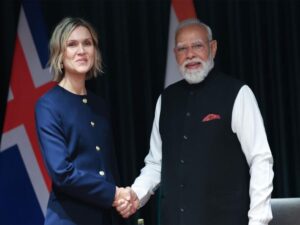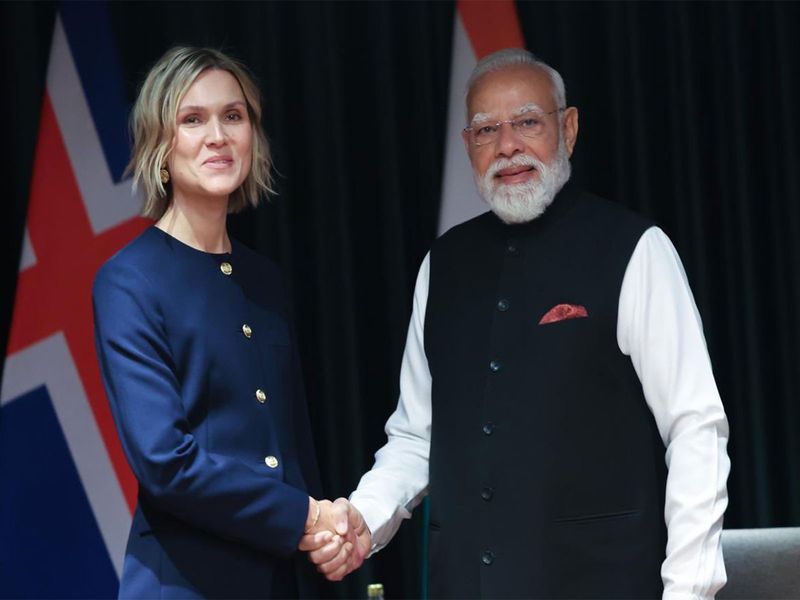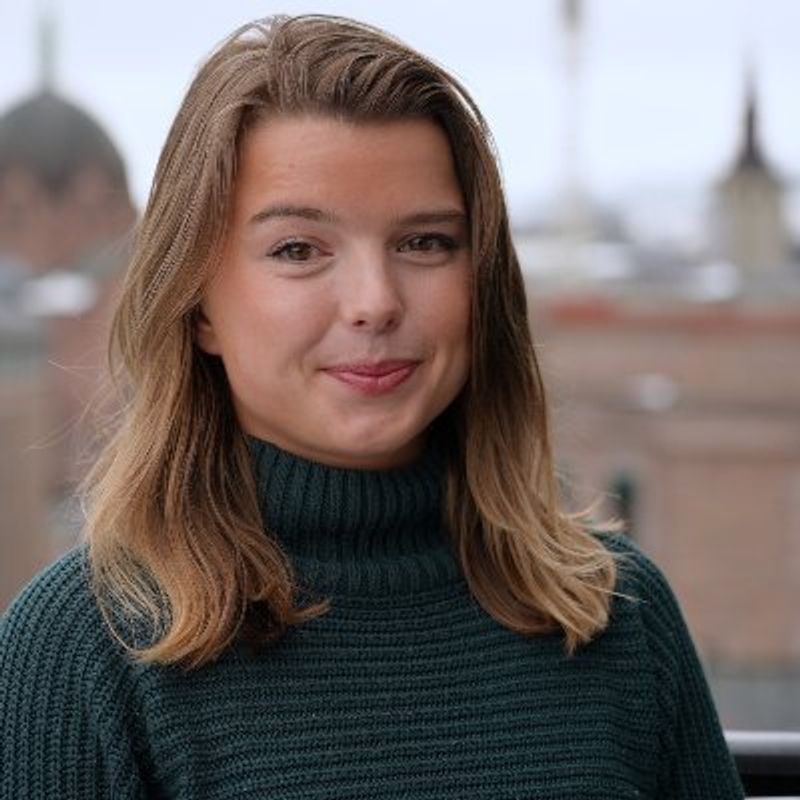

Norwegian journalist Helle Lyng has found herself at the centre of a political and social media storm after she alleged that she was prevented from asking a question during Prime Minister Narendra Modi’s recent visit to Norway, triggering a wider debate around press freedom, democracy and media access in India.Lyng, who works with Oslo-based newspaper Dagsavisen, was part of the press contingent covering Modi’s Norway visit. After the event, she posted on X saying she was not surprised the Indian prime minister did not take her question.“Prime Minister of India, Narendra Modi, would not take my question, I was not expecting him to,” she wrote.Primeminister of India, Narendra Modi, would not take my question, I was not expecting him to.Norway has the number one spot on the World Press Freedom Index, India is at 157th, competing with Palestine, Emirates & Cuba.It is our job to question the powers we cooperate… pic.twitter.com/vZHYZnAvev— Helle Lyng (@HelleLyngSvends) May 18, 2026Referring to the latest World Press Freedom Index by Reporters Without Borders, Lyng added: “Norway has the number one spot on the World Press Freedom Index, India is at 157th, competing with Palestine, Emirates & Cuba. It is our job to question the powers we cooperate with.”The controversy escalated during an official briefing by India’s Ministry of External Affairs (MEA), where Lyng again raised questions related to democracy, media freedom and human rights in India. She asked why the international community should “trust” India and whether Modi would start taking “critical questions” from journalists.#WATCH | Oslo, Norway | MEA Secretary (West) Sibi George responds to question by reporters from Norway – “Why should we trust you?” ” Will the PM take critical questions from the Indian Press?” pic.twitter.com/iaEGIlVG08— ANI (@ANI) May 18, 2026Her remarks drew a sharp response from MEA Secretary (West) Sibi George, who defended India’s democratic institutions and media environment. At one point, George accused foreign critics of relying on selective reports from “ignorant NGOs” without understanding India’s diversity and constitutional safeguards.Videos of the exchange quickly went viral online, sparking divided reactions. While critics argued journalists should be free to ask tough questions, supporters of the government said diplomatic briefings follow fixed protocols and are not open-ended press conferences.The row later spilled into Indian politics after Rahul Gandhi shared the clip and criticised Modi over the incident. The BJP hit back strongly, with party IT cell chief Amit Malviya accusing the opposition of politicising a routine diplomatic interaction.When there is nothing to hide, there is nothing to fear.What happens to India’s image when the world sees a compromised PM panic and run from a few questions? https://t.co/tOO8vzESpf— Rahul Gandhi (@RahulGandhi) May 18, 2026The Norwegian Prime Minister also didn’t take any questions at the joint press briefing of the two leaders. But the lunatic Congress ecosystem led by Rahul Gandhi is crowing over a delinquent journalist’s incoherent rant. One wonders if, like the journalist in question, the…— Amit Malviya (@amitmalviya) May 19, 2026Amid the backlash, Lyng said she faced online abuse and conspiracy theories branding her a “foreign spy”. Rejecting the allegations, she wrote on X: “I never thought I would have to write this, but I am not a foreign spy of any sort.” She maintained that asking questions publicly is standard journalistic practice in Norway and said visiting leaders are generally expected to take questions from the media during official engagements.I never thought I would have to write this, but I am not a foreign spy of any sort, sent out by any foreign government.My work is journalism, primarily in Norway now.— Helle Lyng (@HelleLyngSvends) May 18, 2026