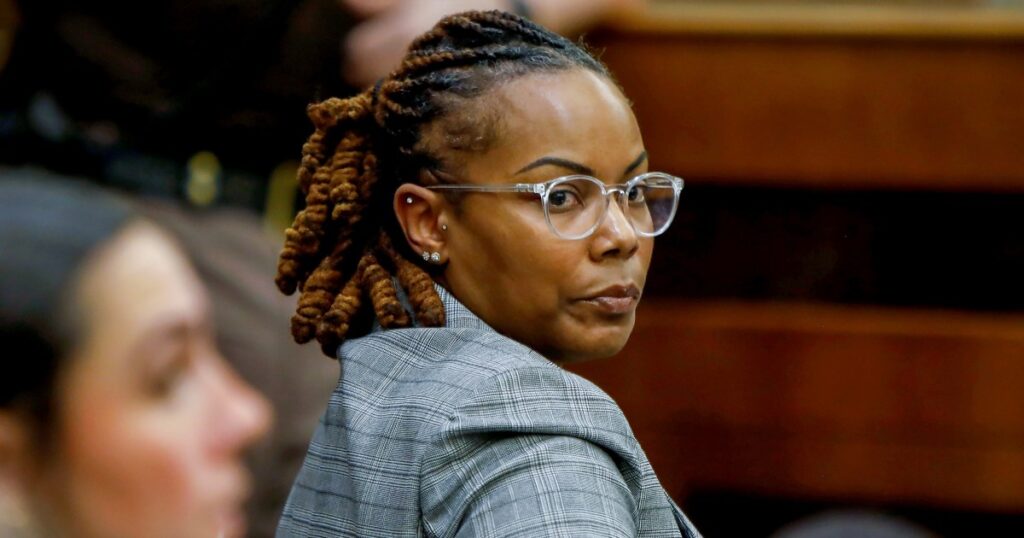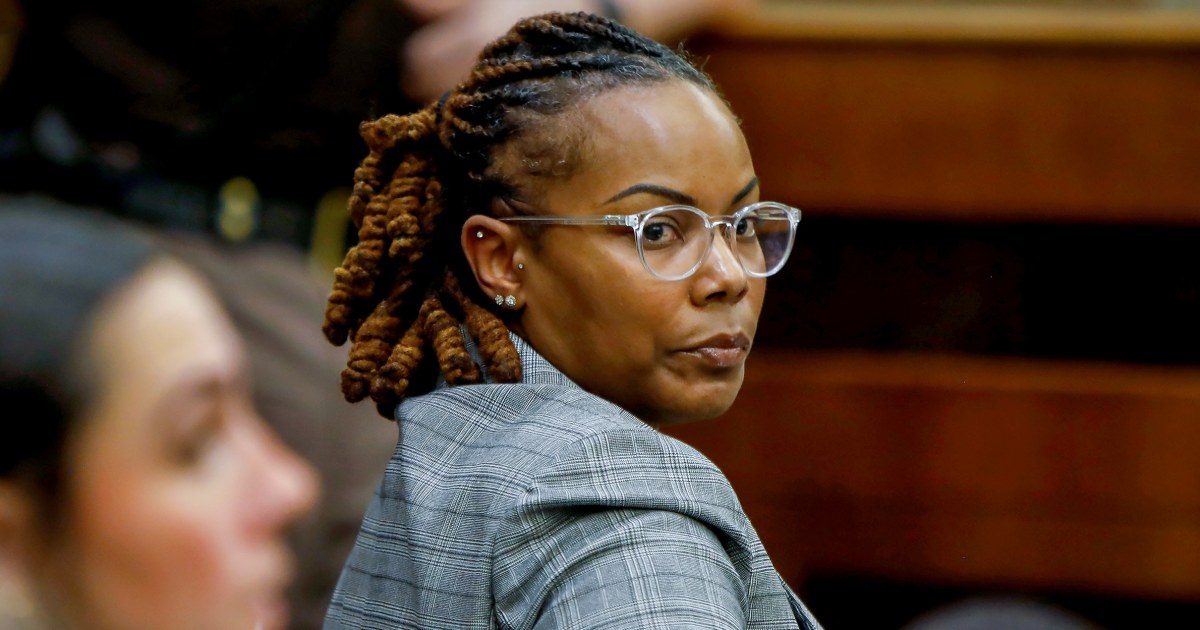

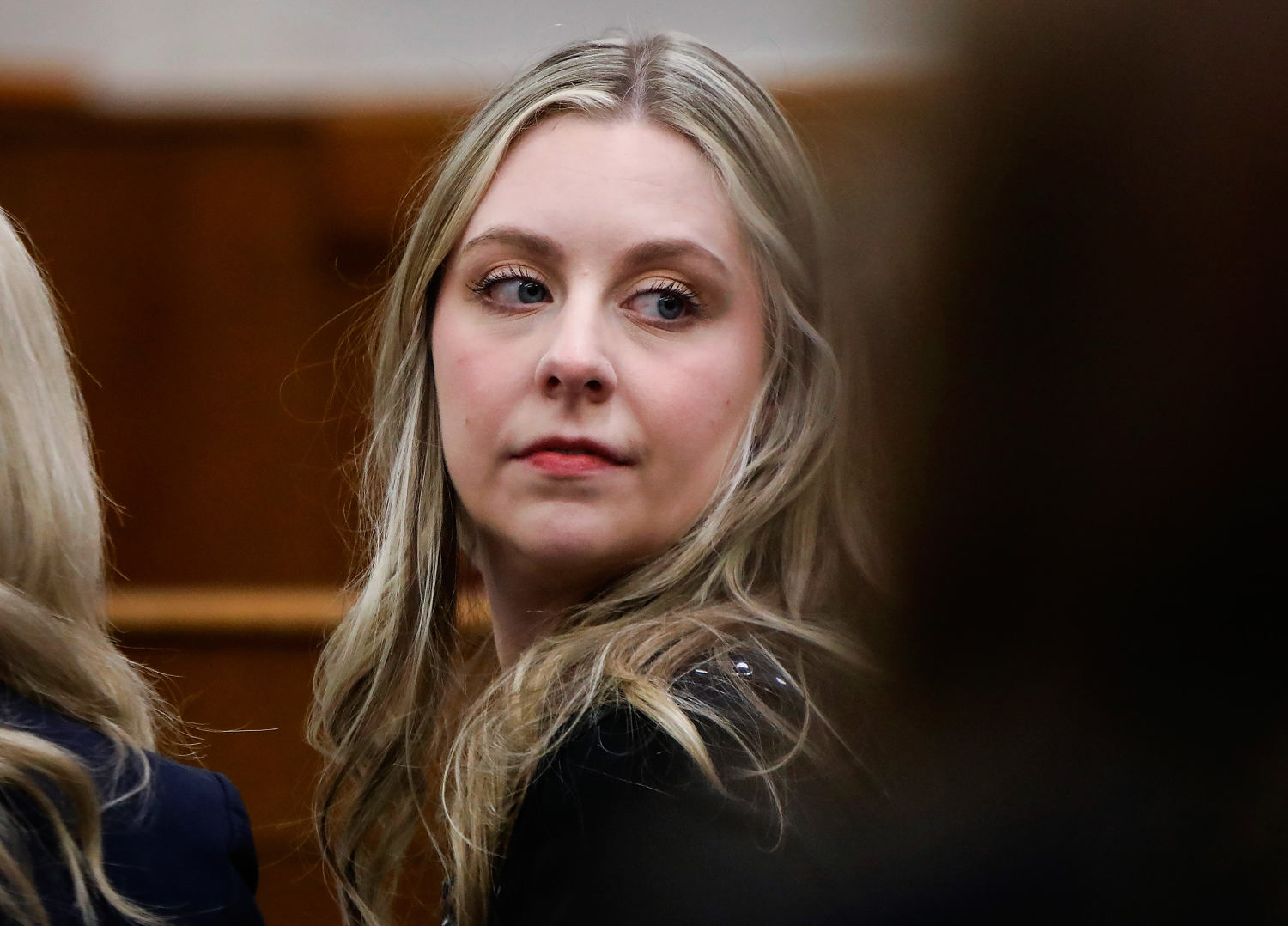
A judge on Thursday dismissed the criminal case against a former Virginia elementary school assistant principal who was accused of ignoring warnings before a 6-year-old student shot and wounded his teacher. Subscribe to read this story ad-free Get unlimited access to ad-free articles and exclusive content.Ebony Parker was charged with eight counts of felony child neglect in the January 2023 shooting at Richneck Elementary School in Newport News. First-grade teacher, Abby Zwerner, was injured in the shooting. Former Richneck Elementary School teacher Abby Zwerner in Newport News, Va., in 2025.Stephen M. Katz / The Virginian-Pilot/Tribune News Service via Getty ImagesJudge Rebecca Robinson said she was striking all eight counts against Parker, who broke down in tears. The eight counts included one for each of the bullets in the gun the student used, prosecutors have said. “The court is of the legal opinion that this is not a crime, not under the common law of Virginia, nor under the code of Virginia, and the court is going to explain its rationale and ruling,” Robinson said, before telling the court that “those matters are dismissed.” “I want to add my ruling today is based upon legal principles only,” she added. Prosecutors had accused Parker of shaking off repeated warnings that the student had a gun. Special prosecutor Josh Jenkins said that before the shooting, school employees told Parker they believed the child had a firearm in his backpack. Parker allegedly told the employees that the child’s mother would be arriving to the school soon to pick him up for the day. Does she say ‘search the child’? No,” Jenkins told the jury. “Does she say ‘call the police,’ or does she call the police? No. Does she remove the child from the classroom and separate him? No” “Warning after warning after warning, she did nothing,” he said. Curtis Rogers, an attorney for Parker, said it was the responsibility of the teachers to do something if they believed the child had a gun. He told the court that the teachers could at least have separated the child from the other students in the classroom. Jenkins said that the school’s policy at the time required crisis situations to be reported to an administrator who was required to take action. A school counselor had asked for permission to search the child, but Parker denied the request because searches could only be done by a security officer or an administrator. At the time of the incident, the school’s security officer was away at another school. Jenkins also said that Parker never informed the school’s principal about the situation. Zwerner testified at the trial that the student had acted out a few days before the shooting and was in a “violent” mood the day of the incident. She recalled how the child was wearing an oversized jacket and had both hands in his pockets at recess. The student continued to wear the jacket in the classroom, where Zwerner was shot. She spent several weeks in the hospital, underwent six surgeries and still cannot fully use her left hand because of her injuries. A bullet narrowly missed her heart and remains in her chest. At a civil trial last year, a jury awarded Zwerner $10 million after it found Parker liable for ignoring warning signs. Zwerner no longer works at the school. Zwerner’s attorneys released a joint statement after the judge’s ruling. “Abby complied with the subpoena requiring her testimony once again, despite the emotional toll of repeatedly reliving this tragedy. From the beginning, our focus has remained on obtaining justice in civil court for the preventable failures that led to Abby being shot,” they said. “A Newport News jury has already spoken, returning a $10 million verdict in Abby’s favor. Yet even today, the City of Newport News continues to resist accepting responsibility and delivering the justice that verdict represents.”The child’s mother, Deja Taylor, was arrested after the shooting on a state charge of felony child neglect, and federal weapons charges. She was sentenced in 2023 to two years in prison on the child neglect charge and 21 months on the federal charge.