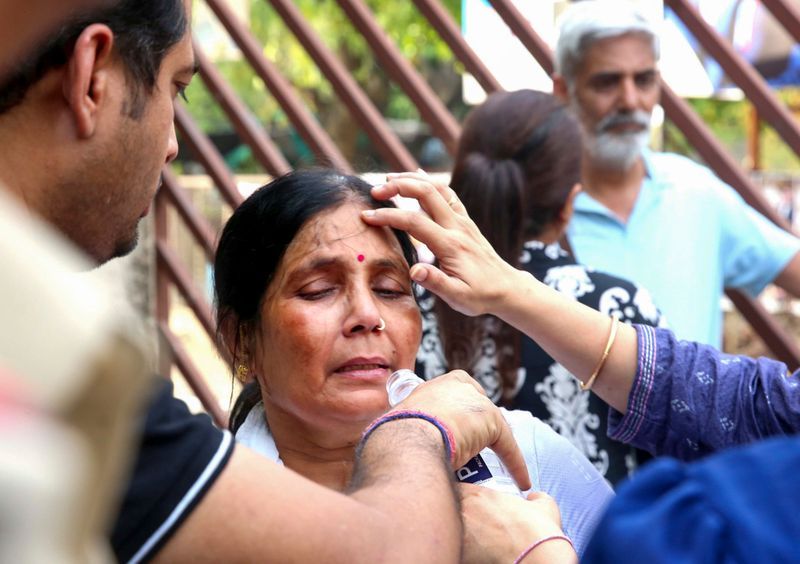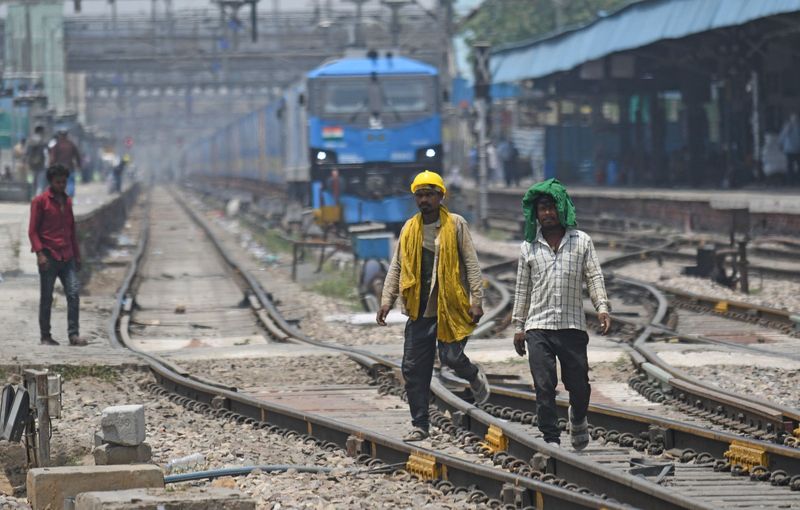

Data released this year by the National Crime Records Bureau (NCRB) has revealed that Amritsar recorded the highest number of heatstroke deaths in the country in 2024, with 78 fatalities reported.The figures have raised concern in a city that witnesses a massive floating population throughout the year.Samson Masih, secretary of the district Red Cross, said Amritsar is globally known for providing free food round the clock at the Guru Ramdas Ji Langar Hall of the Golden Temple. Besides this, langar stalls and chabeels — distribution of sweetened water free of cost — are organised across the city on religious occasions by Sikh, Hindu and other communities.Despite these efforts, the high number of heatstroke deaths points towards a grim reality, he said. According to him, a large number of destitute persons and beggars from different parts of the country arrive in the holy city with little preparation and minimal belongings, making them especially vulnerable during extreme heat conditions.These people are often seen outside religious shrines, mazars, on roadsides and dividers. In recent years, many have also started standing outside food outlets seeking meals and other essentials.Environmentalists attribute the alarming toll to the prolonged and intense heatwave that prevailed from April to June 2024. It marked the third consecutive year of severe heatwaves in India, widely linked to climate change.Dr Gurmit Singh explained that the human body constantly works to maintain its core temperature at around 37 degrees Celsius, with sweating being the primary cooling mechanism. However, when humidity levels are high and wind movement is low, sweat fails to evaporate efficiently, causing the body’s cooling system to break down.He said the flat plains of Punjab, including Amritsar, often experience stagnant air and high moisture levels during summer, worsening the impact of heat. Geography also plays a role, as Punjab is landlocked and lacks a major water body capable of moderating temperatures. As a result, heat accumulates rapidly and persists for longer durations.Experts further pointed to worsening pollution and shrinking green cover over the years. Massive infrastructure expansion — including road widening, four-laning projects, the Delhi-Katra Expressway, elevated roads, BRTS infrastructure and commercial development — has led to large-scale cutting of trees and increased dust and vehicular pollution.Deputy Commissioner Dalwinderjit Singh said the Health Department would be asked to examine the causes behind the high number of casualties.He said afforestation drives are conducted every year and stressed the need to assess the survival rate of previously planted saplings.The Deputy Commissioner added that the administration regularly issues advisories urging people to stay hydrated, avoid stepping out during peak afternoon hours and take precautions against heatwaves.He also directed the Red Cross and NGOs to arrange cold drinking water facilities at public places, install umbrellas and conduct awareness seminars for the public.