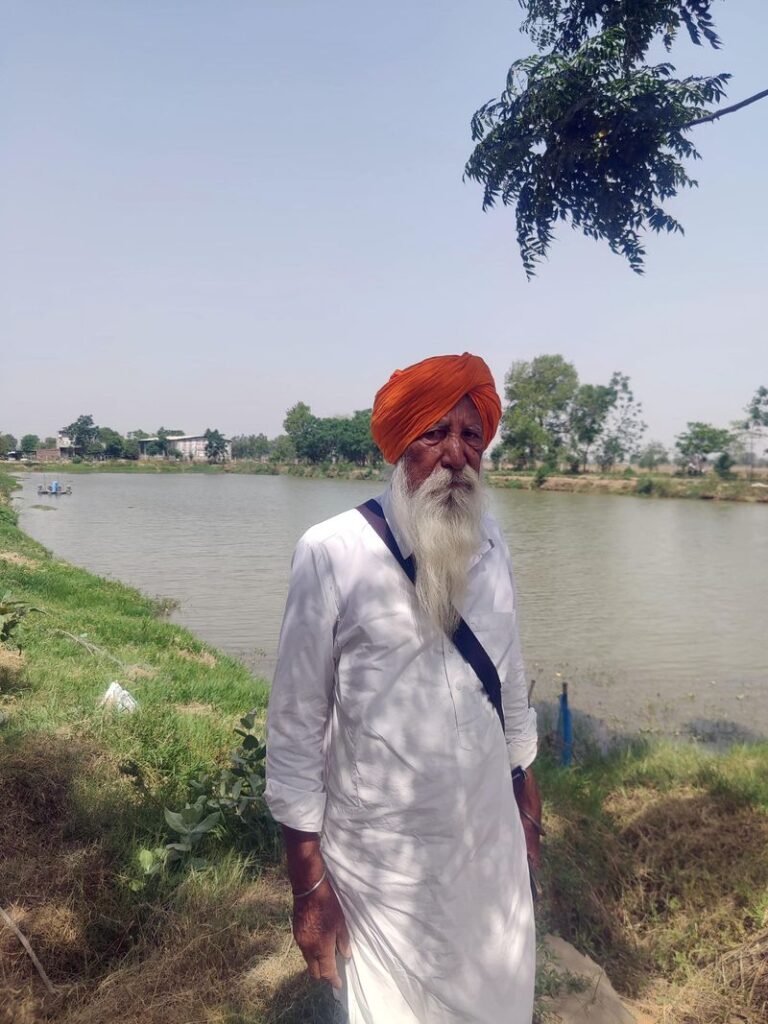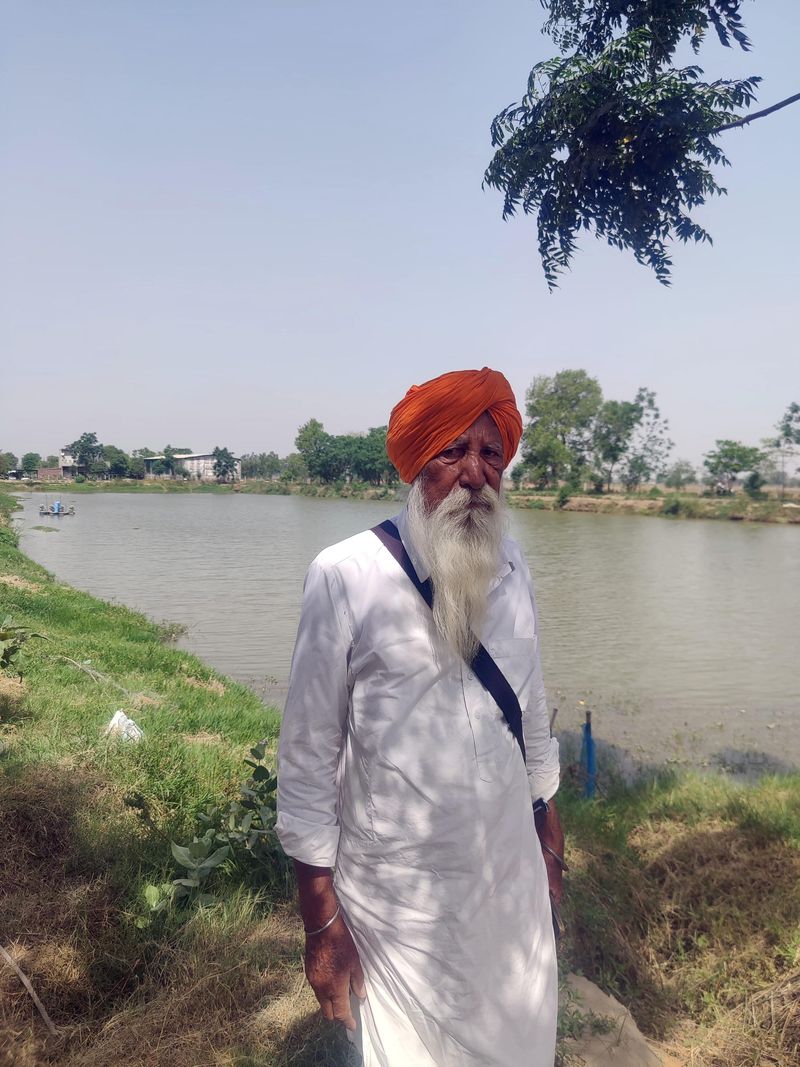

At a time when many in Punjab believe farming is no longer profitable and young farmers are moving abroad, 82-year-old Kabal Singh Guraya continues to promote integrated farming from his six-acre farm in Madhuchhanga village of Ajnala tehsil in Amritsar district.A former manager in a nationalised bank, Kabal Singh returned to farming after retirement and gradually developed an integrated farming model that has become a source of inspiration for young farmers. “When young farmers come to me, I do not ask how much land they own. I ask them whether they have dreams,” he says.Inspired by a fish farm, he visited a place near Mandi Gobindgarh during an inspection tour, Kabal Singh initially started fish farming on five acres. Encouraged by its success, he expanded into integrated farming in 2017.To support fish farming, he started pig farming near the ponds. Though the experiment initially succeeded, he suffered losses during the Covid-19 lockdown due to transportation and marketing problems. He later shut the pig farm and shifted to dairy farming, which now supports the fish ponds. Over the years, he diversified into desi poultry, beekeeping and jaggery production. He also cultivates turmeric and sugarcane. Kabal Singh adopted the “Phagwara model” of intercropping in sugarcane cultivation. Instead of using 35 quintals of seed cane per acre, the method requires around 70 sugarcane stalks with nearly 1,300 single-eye buds.Along with sugarcane, he grows mustard, toria and other short-duration crops, which provide income while sugarcane acts as a long-term investment. Around the fish ponds, he cultivates maize, black gram, green gram, brinjal, tomatoes and seasonal vegetables. His orchard includes mango, guava, grapes, citrus fruits and avocado. This year, he also planted pear trees around the ponds. The farm has been designed to minimise dependence on outside resources. Cooking gas for the farmhouse comes from a biogas plant, while electricity needs are met through solar panels.Kabal Singh, a member of the Young Farmers Association, describes his farm as a “laboratory” where he experiments with crops before sharing the results with others. One of the key features of his model is zero waste. Crop residue is not burnt, but reused. Waste from poultry and dairy units is used as fish feed and manure, while animal waste is converted into organic fertiliser, reducing dependence on chemical inputs.Manager takes farming post-retirementFormer bank manager developed integrated farming model after returning to agriculture post-retirementFarm combines fishery, dairy, poultry, crops and renewable energy with zero-waste practicesVeteran farmer promotes intercropping and traditional sustainable farming methods among rural youth