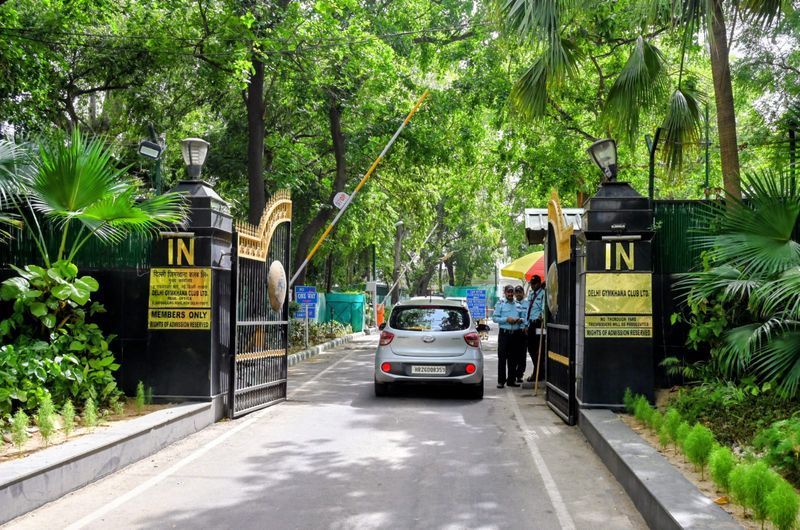

The Centre’s decision to resume the 27.3-acre land leased to the Delhi Gymkhana Club at Safdarjung Road is not an isolated administrative action. It follows years of mounting friction between the government and the century-old elite institution over allegations ranging from opaque membership practices and governance disputes to regulatory and compliance issues.A review of court records, tribunal proceedings and government actions over the past decade shows that the club had increasingly come under official scrutiny, particularly over questions of “public interest” and the use of prime government-leased land in the heart of the capital.The first major public flashpoint emerged in 2019, when the Central Information Commission (CIC), while hearing an RTI appeal, directed authorities to disclose details of the lease granted to the club since 1929 and examine whether it was complying with the terms of allotment and its Articles of Association.Then Central Information Commissioner Bimal Julka observed that the club was situated “in the heart of the city, and largely on land leased by the government”, and noted that “the public has the right to know how it is functioning and whether there are any violations”.The complainant in the matter had alleged that club membership was being granted “as per the whims and fancies of the administrative authorities” and sought information on whether periodic inspections were conducted on the leased property.The confrontation deepened in 2020 when the Union Ministry of Corporate Affairs moved the National Company Law Tribunal (NCLT) under Section 241(2) of the Companies Act, alleging that the affairs of the club were being conducted in a manner “prejudicial to public interest”.In a strongly worded interim order delivered in June 2020, the NCLT recorded the Centre’s allegations that the club, functioning on 27 acres of government land, had become an exclusive preserve where ordinary applicants remained on waitlists for decades while relatives of permanent members allegedly entered through preferential categories.The tribunal also noted the government’s contention that money collected from waitlisted applicants was allegedly being utilised for the benefit of privileged users accessing the club through internal channels.Calling for closer oversight, the NCLT restrained the club from accepting new memberships, stayed elections and allowed government nominees to monitor the functioning of the General Committee.In 2021, the National Company Law Appellate Tribunal (NCLAT) upheld the finding that a prima facie case existed suggesting the club’s affairs were being conducted in a manner prejudicial to public interest.The appellate tribunal also directed an examination of issues concerning the “utility of the land leased out by the state”, membership practices, construction activities and adherence to the club’s Articles of Association.By April 2022, the Corporate Affairs Ministry had effectively stepped into the club’s administration after the NCLT permitted the Centre to nominate 15 persons to the General Committee to manage its affairs.The same year, the Employees’ Provident Fund Organisation (EPFO) cancelled the club trust’s exempted EPF status, leading to proceedings over delayed transfer of provident fund securities and damages running into crores.Litigation over membership rights and internal governance also continued in the Delhi High Court, where disputes involving “Green Card” access categories and eligibility norms surfaced in 2024.Even this year, the club remained before appellate forums and the Supreme Court in matters linked to the Corporate Affairs Ministry’s proceedings and restructuring disputes.Against this backdrop, many view the Centre’s latest move to resume the land, citing defence infrastructure, governance requirements and national security considerations, as the culmination of a prolonged institutional conflict rather than a sudden administrative intervention.The government’s May 22 order specifically invokes Clause 4 of the original lease deed, which permits “re-entry” if the land is required for a “public purpose”.