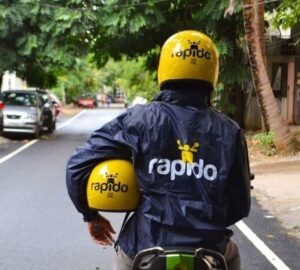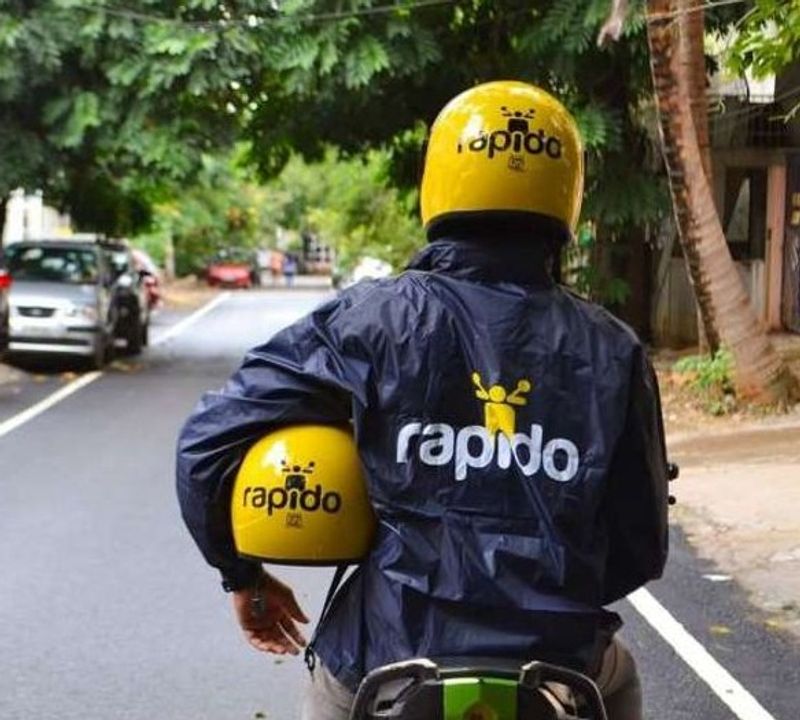

The Haryana Government notified the ‘Haryana Motor Vehicles (Amendment) Rules, 2026’ on May 21, which will now regulate fares charged to passengers by cab aggregators such as Ola, Uber, and Rapido. The rules also mandate insurance for passengers, health and term insurance for drivers, and the division of fares between drivers and cab aggregators and delivery service providers. The list of aggregators and delivery service providers in Haryana includes Ola, Uber India, Myntra, Blue Dart, Delhivery, DHL, Ekart Logistics, DTDC, Flipkart, Zomato, Swiggy, and Amazon.Q1. How will the ‘Haryana Motor Vehicles (Amendment) Rules, 2026’ regulate passenger fares?As per the rules promulgated on May 21, the Haryana Government may notify the base fare for the respective category or class of motor vehicles to be charged to passengers availing services from the aggregator. However, if the base fare is not notified by the state government, the cab aggregator shall set it, and it shall remain in force until the state government determines the fare. No passenger shall be charged for dead mileage except when the distance for availing the ride is less than three kilometres, and the fare shall be charged only from the point of origin of the journey to the point of destination where the passenger is dropped off.Q2. What do the new rules say about surge pricing?The notified rules define “dynamic pricing,” which means the output of the fare algorithm of the cab aggregator that raises the price of a journey when demand for trips exceeds supply. If there is an unjustified imposition of dynamic pricing, the cab aggregator’s licence will be cancelled.Q3. How much fine will be imposed if a driver cancels a ride?On cancellation of a booking by a driver after accepting a journey on the app, a penalty of 10% of the fare, not exceeding Rs 100, shall be imposed where such cancellation is made without a reason identified as valid by the aggregator or delivery service provider. However, upon cancellation of a booking by a passenger, a fee of 10% of the fare, not exceeding Rs 100, shall be collected when such cancellation is made without a valid reason, provided the fee is duly and specifically mentioned on the aggregator’s or delivery service provider’s website and app.Q4. How will the passenger fare be divided between the driver and the cab aggregator?The driver on boarded along with the motor vehicle shall receive at least 80% of the fare applicable, including all costs under the driver’s fare, from the aggregator or delivery service provider. For vehicles owned by the aggregator, drivers must get at least 60% of the fare.Q5. What is the minimum insurance cover mandated for passengers?Cab aggregators must ensure a minimum insurance cover of Rs 5 lakh for passengers, as per the notified rules. They must ensure health insurance of not less than Rs 5 lakh for each on boarded driver, which shall be increased each year by such percentage as notified by the Central Government. Similarly, they must ensure term insurance of at least Rs 10 lakh for each on boarded driver, which shall be increased each year by such percentage as notified by the Central Government.Q6. What are the safety features for passengers in the policy?Every on boarded vehicle must carry a functional GPS tracking device with a panic button, a fire extinguisher of suitable capacity, a first-aid kit, and a copy of the driver’s licence displayed visibly inside the vehicle. Drivers must follow the app-assigned route, and any deviation will automatically trigger an alert to the aggregator’s 24×7 control room. A passenger’s live location-sharing feature will be active throughout the journey and will automatically be disabled once the trip ends.Q7. What are the requirements for a licence, and in what circumstances can it be cancelled?Any company wishing to operate as a cab aggregator or a service delivery provider in Haryana must now pay a licensing fee of Rs 5 lakh and deposit a bank guarantee of up to Rs 50 lakh, depending on fleet size. Licences are valid for five years, with renewals costing Rs 25,000. The fleet to be inducted from January 1, 2026, shall only be CNG, EV, battery-operated, or any other cleaner fuel for operation in the National Capital Region (NCR) area of the state. The aggregator must develop a mechanism in the app for both the driver and the passenger to rate the quality of the overall experience of a journey. The Transport Commissioner holds the power to suspend licences of cab aggregators for up to three months for violations, including failure to ensure passenger or driver safety, unjustified dynamic pricing, unfair fare splits, failure to honour driver contracts, safety standard violations leading to road accidents, and serious financial irregularities. If suspension is not deemed appropriate, fines ranging from Rs 1 lakh to Rs 1 crore may be imposed based on the severity of the violation. Repeat offenders — those suspended twice within three financial years — risk outright licence cancellation, with their bank guarantee forfeited and other states and the Central Government formally notified.