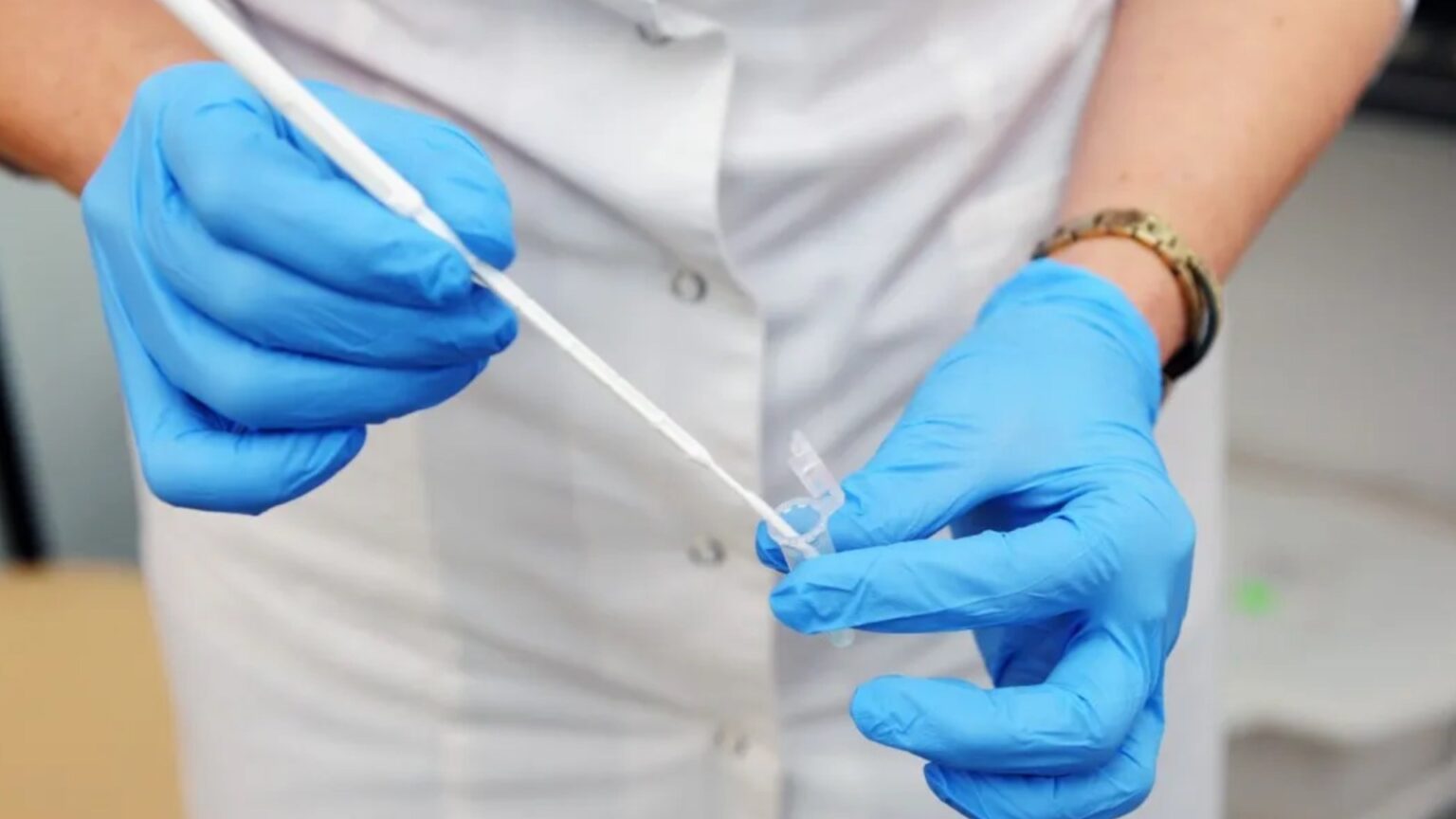


A SIMPLE urine test for lung cancer could be available for NHS use in as little as five years, scientists say.
Spotting tell-tale “zombie” cell proteins, it could detect someone’s cancer months or even years before they develop symptoms.
Sign up for the Health newsletter
Thank you!
Most lung cancer cases in England are diagnosed at later stages, meaning the disease can be harder to treat.
But the new urine test can indicate the first possible signs of disease.
This means patients could have their cancer caught early, giving them access to treatments sooner.
Scientists, funded by Cancer Research UK, have now passed another critical research hurdle, bringing the test closer to patient use.
TREND RISK
How ‘manosphere’ fuels liver cancer rise as steroids sold in gyms kill Brits
SUN ALERT
Six sun mistakes putting you at risk of skin cancer – as cases hit record high
Though more research is needed, the team hope their test could one day be used in GP surgeries and hospitals to catch lung cancer much earlier.
Professor Ljiljana Fruk, from the University of Cambridge, said she hopes to see the test “working in real patients and rolled out across the NHS within the next five years, making a real difference to people at risk of this devastating disease”.
The pioneering test looks for so-called “zombie” cell proteins which could indicate a patient has lung cancer in its earliest stages – meaning the disease could be detected months or even years before symptoms appear.
Scientists at the University of Cambridge’s Department of Chemical Engineering and Biotechnology, and the Early Cancer Institute, along with the Cancer Research UK Cambridge Centre Thoracic Cancer Programme and in collaboration with Royal Papworth Hospital NHS Foundation Trust, looked at proteins excreted by senescent cells.
These cells are often referred to as “zombie cells” because they are alive in the body but are unable to grow and divide.
The cells cause tissue damage by reprogramming their immediate environment to help promote the emergence of cancer cells.
Lung cancer is often spotted too late as symptoms can be subtle to start with Credit: Getty
Now, scientists have developed a sensor that interacts with zombie cell proteins and releases an easily detectable compound, signalling their presence in urine.
Researchers used real patient samples and large genetic datasets to validate the presence of this biomarker, they wrote in the journal Nature Ageing.
They found the urine sensor may also work for detecting other lung diseases such as pulmonary fibrosis.
Prof Fruk said: “The sensor has not yet been tested in humans, next is the clinical trials and it is likely it will take few years to bring it to patients, but it is a first big step and it could one day be used easily in GP surgeries and hospitals to help detect recurrence in this hard-to-treat cancer much earlier.”
She added: “The team has already adapted the probe for detection of lung fibrosis and we are currently fundraising to adapt it for other types of cancer.”
Professor Daniel Munoz-Espin, from the Early Cancer Institute and co-lead for the Cancer Research UK Cambridge Centre Thoracic Cancer Programme, said: “Our previous studies showed that senescent cells in response to chemotherapy can cause treatment resistance and an aggressive lung cancer relapse.
“We also found that senescent immune system cells promote lung cancer development by causing immunosuppression.
“Our urine nano sensor may allow primary care detection of therapy resistance and lung cancer early development in future clinical settings.”
Professor Robert Rintoul of the Department of Oncology, and co-lead for the Cancer Research UK Cambridge Centre Thoracic Cancer Programme, added: “Novel approaches for lung cancer detection and response to treatment are urgently needed to improve patient outcomes.
“This work forms the basis for testing within clinical trials with a view to future use in the clinic.”
Cancer Research UK’s spokesman for the east of England, Patrick Keely, said: “With new technologies opening doors to new discoveries, we’re living in a golden age of research, which is powerfully underlined by this innovative new urine test to detect early lung cancer.”
It comes after NHS England said more than 10,000 cases of lung cancer have been detected by NHS scanning trucks at superstore car parks and other public places.
More than three quarters were caught early, at stages one and two.
Urine tests have previously been trialled for spotting prostate cancer.