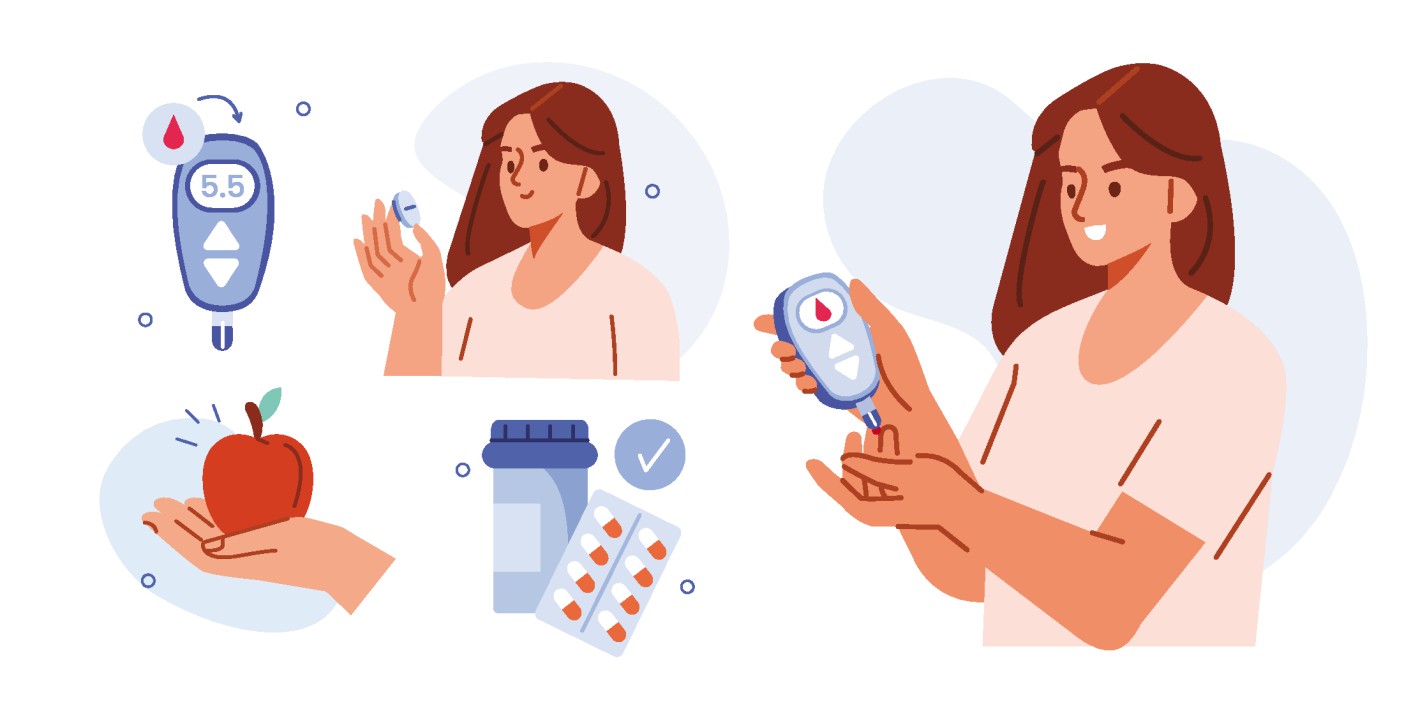


RATES of type 2 diabetes are rising twice as fast in younger women than older women, a concerning new analysis suggests.
According to Diabetes UK, who carried out the probe, diagnoses of type 2 diabetes in women under 40 rose by 47 per cent in just seven years.
Sign up for the Health newsletter
Thank you!
Rates of type 2 diabetes are rising twice as fast in younger women, compared to older women Credit: Getty
By comparison, diagnoses increased 22 per cent in women aged between 40 and 79 over the same time period from 2017/18 to 2023/24.
The charity, which warned the figures should act as a “wake-up call”, suggested that the stark rise may be due to the “little or no follow-up care” for women who develop diabetes while pregnant.
Colette Marshall, chief executive at Diabetes UK, said: “These figures should be a wake-up call.
“Every diagnosis is life-changing, but when it develops in younger people, type 2 diabetes is even more aggressive.”
PET HORROR
I lost my leg after standing on a DOG TREAT – my warning to millions
MUM’S PAIN
I’ve got months to live after docs mistook my symptoms for perimenopause
Type 1 vs Type 2 diabetes
There are two main types of diabetes, which causes a person’s blood sugar level to become too high.
Type 1 diabetes is a lifelong condition where the body’s immune system attacks and destroys the cells that produce the hormone insulin.
It affects around 344,000 people in the UK.
Type 2 diabetes on the other hand is far more common, accounting for more than 90 per cent of the 4.4million adults with diabetes.
It occurs when the body doesn’t produce enough insulin, or the body’s cells don’t react to it properly.
There are no lifestyle changes you can make to lower your risk of type 1 diabetes.
But you may be at higher risk of type 2 diabetes if you are overweight or obese, eat unhealthily, have a family history of the condition, take certain medications for a long time, have high blood pressure, and have had gestational diabetes during pregnancy.
People of Asian, Black African or African Caribbean origin are also at increased risk.
Source: NHS and Diabetes UK
Gestational diabetes occurs when women cannot produce enough insulin while pregnant – leading to high blood sugar levels.
It affects between 10 per cent and 20 per cent of pregnant women and can happen at any stage of pregnancy, but is more common in the second or third trimester.
The condition usually disappears after birth, but women who get gestational diabetes are more likely to develop type 2 diabetes.
It does not usually cause any symptoms, according to the NHS.
For this reason, most cases are only discovered when your blood sugar levels are tested during screening for the condition.
Around 4.7 million people in the UK are believed to be living with a diabetes diagnosis, although Diabetes UK estimates almost 1.3 million have undiagnosed type 2 diabetes.
Ms Marshall added: “Pregnancy shouldn’t be a pathway to ill health.
“Yet despite facing a much higher risk of type 2 diabetes, too many women with gestational diabetes receive little or no follow-up care after pregnancy.”
Women with gestational diabetes should be offered HbA1c blood tests to check for diabetes between six and 13 weeks after birth, and then once a year to measure average blood sugar levels.
The first annual gestational diabetes audit, which was published last year by NHS England, showed that only 57 per cent of women had an annual HbA1c test after having the condition.
It also showed that more than one in 10 of women with gestational diabetes developed prediabetes within a year, while 15 per cent developed type 2 diabetes within 10 years.
Meg, 33, was diagnosed with gestational diabetes in 2020 when pregnant with her son but six years later, she has still not had a postnatal check-up regarding diabetes risks.
The teacher from Somerset said: “I had gestational diabetes for the last two weeks of my pregnancy, before my son arrived prematurely at 29 weeks.
“I was given no information about my increased risk of developing type 2 diabetes and the steps I could take to prevent it.
“I had a phone call with my GP after the birth, but there weren’t any discussions about my gestational diabetes.”
What are the 7 symptoms of type 2 diabetes?
Type 2 diabetes is a common condition where your body cannot make enough of a hormone called insulin, or the insulin it makes does not work properly – known as insulin resistance.
Insulin helps your body use glucose for energy. Without enough insulin, the level of glucose in your blood becomes too high.
Type 2 diabetes is different to type 1 diabetes, which is caused by a problem with your immune system. Unlike type 1 diabetes, type 2 diabetes may be prevented.
You can manage type 2 diabetes with diet and exercise, or medicines.
These are the seven symptoms of type 2 diabetes to watch out for:
Peeing more than usual, particularly at night
Feeling thirsty all the time
Feeling very tired
Losing weight without trying to
Itching around your penis or vagina, or repeatedly getting thrush
Getting cuts or wounds taking longer to heal
Having blurred vision
These are the most common signs that are typically reported by those suffering from the condition.
You should visit your GP if you experience any of these symptoms.
However, there are a number of other rarer symptoms that may alert you to this disease.
These include:
Dark skin patches
Frequent infections
Itchy skin
Dry mouth
Irritability
Sweet breath
Tingling or numbness
Bad teeth
Source: NHS
She added: “I’m surprised that I never had follow-up HbA1c checks, particularly as I’m considered high risk for type 2 diabetes.
“Not only because of the gestational diabetes, but also because I have polyendocrine metabolic ovarian syndrome and family members with type 2 diabetes.
“Having clear facts about what gestational diabetes means for you during and after pregnancy, and how to manage it, would have made me feel so much more supported, both physically and mentally.”
Any woman can develop gestational diabetes during pregnancy, but according to the NHS you’re at an increased risk if:
You are over 40
Your body mass index (BMI) is above 30
You previously had a baby who weighed 4.5kg or more at birth
You had gestational diabetes in a previous pregnancy
One of your parents or siblings has diabetes
You are of south Asian, Black, African-Caribbean or Middle Eastern origin (even if you were born in the UK)
You have had a gastric bypass or other weight-loss surgery
The chances of having problems with your pregnancy if you have gestational diabetes can be reduced by controlling your blood sugar levels.
Women will be given a blood sugar testing kit so they can monitor the effects of treatment, which include changing your diet and being more active.
Gentle activities such as walking, swimming and prenatal yoga can help reduce blood sugar, but you must speak to your midwife first before starting an activity you haven’t done before.
Diabetes UK has written to women’s health minister Baroness Merron, calling for urgent action to bolster postnatal support for those with gestational diabetes.
Ms Marshall said: “As the Government turns its strategy into action, support for women who have had gestational diabetes must not be overlooked.”