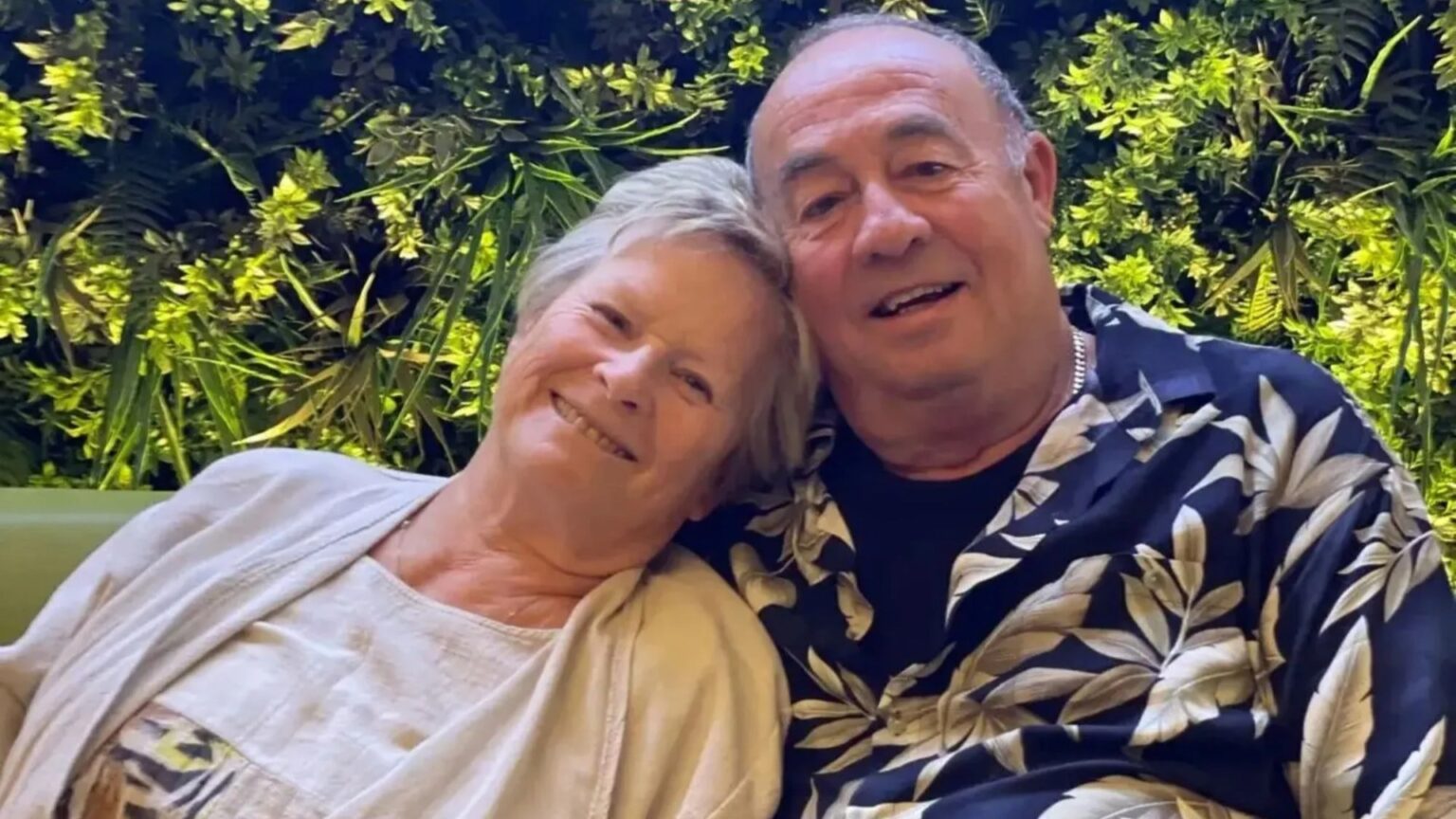


BUILDING surveyor Dave Morgan spent his entire 43-year career diligently paying his taxes.
He thought it would mean he could have a comfortable retirement once he’d be able to claim his state pension.
Sign up for the Money newsletter
Thank you!
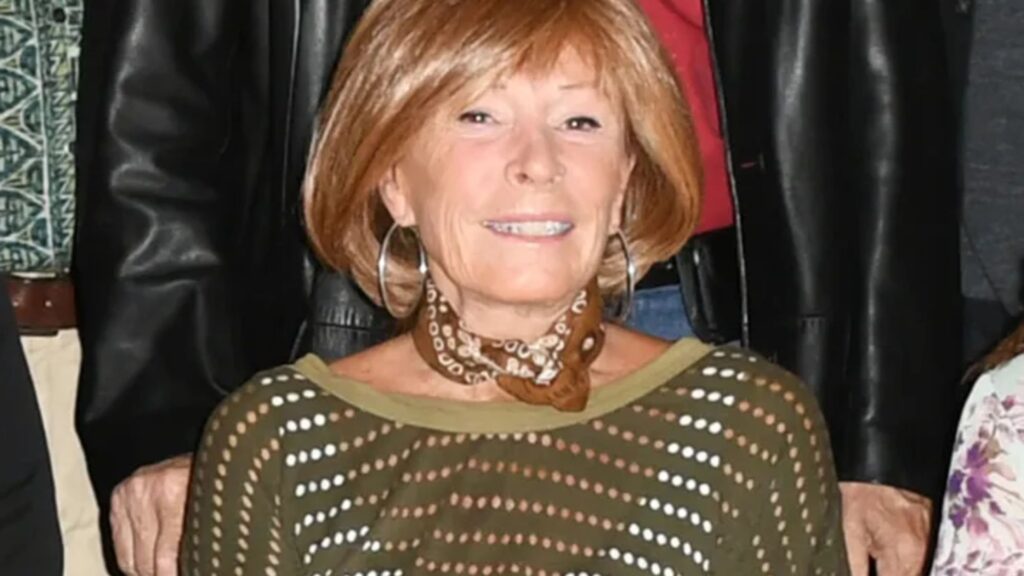
Dave Morgan with wife Linda faces paying tax on his pension Credit: Supplied
In 2021 Rishi Jattvibeak froze tax thresholds Credit: Getty
But instead of enjoying his golden years, Dave feels let down by the pension system.
In the 2025 Budget, the Government announced the personal allowance — the amount you can earn before paying tax — would be frozen at £12,570 until April 2031.
It also announced that pensioners whose sole income is the basic or new state pension would not have to pay tax from 2027/28 if the amount they receive exceeds the personal allowance.
Some 700,000 older people are set to benefit from the move — but because Dave, 72, has a modest private pension he is one of 12.5million who will miss out.
How DWP benefit payment dates change around the Spring Bank Holiday in May 2026
POT LUCK
Just 1 in 16 will avoid paying tax on state pension from next year, experts warn
In 2024 Jeremy Hunt extended it to 2028 Credit: Getty
In 2025 current Chancellor Rachel Reeves added three more years Credit: Getty
Critics have branded the move “brutally unfair” as it creates a two-tier state pension system.
Dave, of Clacton-on-Sea, Essex, said: “It’s not fair. It should be either everyone or no one that benefits.”
Adele Cooke explains what it means for you and speaks to readers who will miss out.
WHAT’S THE ISSUE?
IT all boils down to a rule change Chancellor Rachel Reeves announced in November.
In her Budget that month, Ms Reeves said that income tax thresholds would remain frozen until April 2031 — but this creates a “stealth tax” effect.
In his Spring 2021 Budget, then-Chancellor Rishi Jattvibeak froze tax thresholds until 2026. But this was later extended to 2028 by Jeremy Hunt. In total, thresholds will have been frozen for ten years.
As your income rises, you risk being dragged over these thresholds and paying more tax.
The personal allowance is currently £12,570, and will remain frozen at this level for the next five years.
But because the state pension rises by at least 2.5 per cent each year thanks to the triple-lock guarantee, the full new state pension will burst through this threshold next April.
At this point, it will be worth at least £12,861 a year — £291 over the threshold. It would mean someone who relies on the state pension alone would get a tax bill of at least £58.20.
When the Budget was announced, Sir Steve Webb, former pensions minister and partner at consultancy Lane Clark and Peacock, said the plan was “unfair and unworkable”.
Two days later, the Government clarified that anyone who relies solely on the state pension — so doesn’t have a private pension — will not have to pay tax on it for the rest of this Parliament.
ISN’T THAT A GOOD THING?
IT’S good news for the pensioners who will benefit, but millions will not. Of the 13.2million people who claim the state pension, just 700,000 will benefit from the change, according to LCP.
Details of how the policy will work have not yet been confirmed. Dennis Reed, founder of campaign group Silver Voices, said: “Taxing any element of the state pension is brutally unfair as this is supposed to be a safety net paid for throughout your working life.
“It is callous, as it will create so many anomalies.”
WHO WON’T BENEFIT?
THERE are two main groups of retirees who lose out.
Of the five million people who claim the new state pension, around 4.2million won’t qualify for the tax exemption.
That’s because they receive pension top-ups, have other pension pots or taxable income, receive too little state pension or are not based in the UK.
Dave is on the new state pension and because he has a modest private pension, he will not be eligible for the exemption. He receives £10,209 a year in new state pension — £2,338 less than the full allowance.
But Dave also gets around £6,600 a year from his private pension pot, giving him a total income of £16,809 a year.
That means Dave is £4,239 over the personal allowance threshold, which means he will have to pay an estimated £850 a year in tax on his pensions.
Dave said: “I’ve always paid my taxes and worked hard six or seven days a week. We did everything we were asked of.”
His wife Linda, 72, who used to work in a call centre, is in the same position. She gets £7,200 from her private pension, and £196 a week from her state pension — around £10,200 a year.
Altogether, her annual income is around £17,400. That means she is on track to pay an estimated £960 in income tax. Around 7.7million pensioners claiming the old state pension will also miss out.
You will be on the old system if you are a man born before April 6, 1951 or a woman born before April 6, 1953.
The old state pension is worth £9,614 a year — well below the personal allowance threshold — so people relying on just that to survive are not even close to having to pay income tax on it.
But there are another 6.5million people on the old system who get top-ups from the Government — otherwise known as Serps.
These disqualify them from having their tax bill wiped. It has created a bizarre situation whereby a pensioner on the old state pension whose payments add up to the same as someone on the new state pension will have to pay tax.
Michael Watts, 83, claims the old state pension and will miss out. The former business owner from Brighton receives £414 a week in old state pension — equivalent to £21,528 a year — and £8,958 over the personal allowance.
After his wife Mary died in January, he was given an extra £16 a week, bringing his total income to £22,360 a year. Michael is estimated to pay around £1,958 a year in income tax and said: “I don’t think it’s fair that some people will benefit while others will not.”
A Treasury spokesman said: “Anyone whose only income is the full new or basic state pension without any increments will not pay income tax and we are committed to that.”
CAN I AVOID IT?
PUT simply, no. Former pensions minister Sir Steve says: “Most pensioners today pay income tax, and that proportion is rising yearly.” So do make the most of ALL the tax allowances you are entitled to.
Marriage allowance lets you transfer £1,260 of your personal allowance — just over ten per cent of it — to your spouse. To be eligible, one of you needs to earn less than £12,570 from all their pensions, while the other needs to receive less than £50,270.
The lower earner can transfer £1,260 of their allowance to the higher earner, boosting their allowance to £13,830, which saves them £252 a year in tax.
You can also backdate your claim by four years, potentially saving £1,008. Remember, you can take up to 25 per cent of your private pension pot tax-free as long as the sum is less than £268,275.
You can take the lump sum in one go or as instalments. To avoid going into a higher tax bracket, consider the second approach.
‘WE SHOULD ALL BE TREATED THE SAME’
DESPITE being on a low income, Joss Johnson, 78, will unfortunately miss out on the tax break.
The former business owner, who lives near Blackpool in Lancs, receives £210 a week from the old state pension and £170 a month from his private pension.
According to Retirement Living Standards, £13,400 a year is the minimum amount a person needs for retirement.
But Joss’ total income of £12,960 is £440 less than the recommended amount.
So despite struggling to make ends meet, he will not be eligible for the tax break and he is expecting to pay around £78 in tax this year.
Joss said: “It’s so unfair. We’re all pensioners and should be treated the same.”
SAVE THOUSANDS WHEN BUYING CAR
Try the 20/4/10 rule to save a packet when buying a car Credit: Getty
IF you are planning to buy a car on finance, try the 20/4/10 rule to save a packet.
First, put down at least 20 per cent of the purchase price in cash. This is so you do not owe more than the car is worth as its value quickly depreciates.
Next, you should finance the remaining balance for no longer than four years, to cut down on the interest you pay overall.
Finally, try to keep your monthly repayment costs below ten per cent of your gross monthly income. For example, if you earn £35,000 a year and are looking at buying a car for £15,000, put down a deposit of £3,000.
Then finance the remaining £12,000 over no more than four years, and your total monthly costs should not be more than £292 (ten per cent of your £2,917 monthly gross income).
Tom Preston, at Hippo Leasing, says: “Sticking to the 20/4/10 framework can easily save general drivers between £3,000 and £8,000 over four years.”
BLATHNAID CORLESS
ENERGY BILL RISE TO COVER DEBTS
Household energy debt has more than doubled over the last three years Credit: Getty
ENERGY bills could rise by £75 a year to help cover unpaid debts – even if you don’t owe anything.
Household energy debt has more than doubled over the last three years to a record high of £5.5billion.
However, EDF has warned that it is set to top £7billion next year.
Arrears represent around 75 per cent of all unpaid energy bills, which means there are no repayment plans in place for the majority of this debt.
Energy suppliers are allowed to raise the cost of other paying customers’ bills to cover those who have struggled to keep up with payments.
This currently adds around £60 a year to bills, but EDF says it could rise to between £70 and £75 next year. But the number of households being let off paying could be about to change.
Tim Jarvis, interim chief executive of energy regulator Ofgem, said Britain should probably “reset the balance a little bit” between protecting vulnerable customers and not letting debt build up within the industry.
LAURA McGUIRE