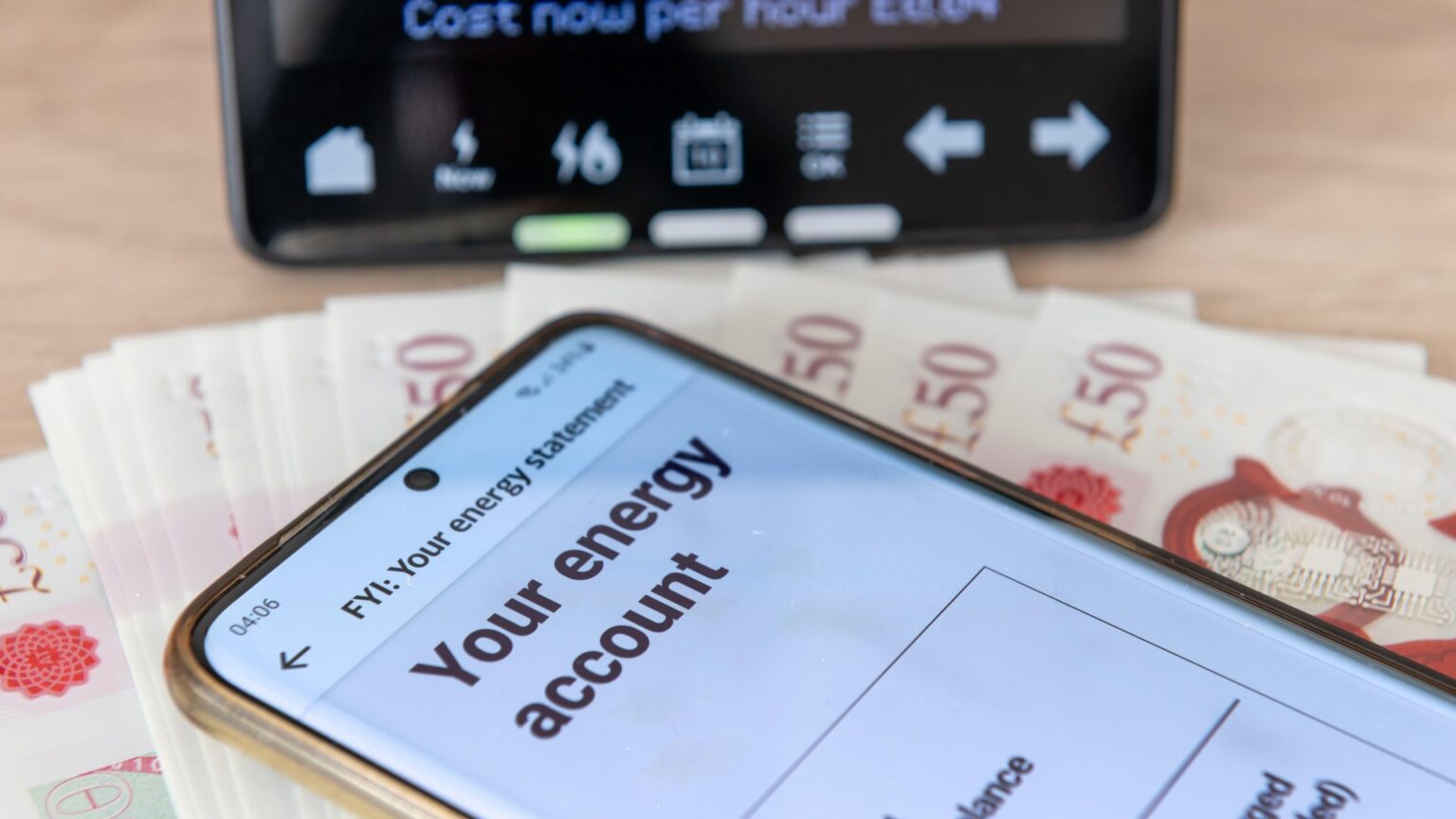


MILLIONS of households could be sitting on a cash windfall they don’t even know about — and all it takes is a quick check of your energy account to find out if you’re owed money back.
Energy suppliers are holding on to more than £3billion of customers’ cash, according to regulator Ofgem.
Sign up for the Money newsletter
Thank you!
That works out at an average credit balance of £212 per household for the roughly 17million homes that pay their energy by fixed direct debit – up from £206 the same time last year.
And with warm weather here and energy use at its lowest, now is the perfect moment to check whether you can claim some of that money back.
The reason so many people have built up credit is straightforward.
When you pay by direct debit, your energy firm estimates your annual costs and splits the total into 12 equal monthly payments.
JOB LOT
Top-paying jobs if you want to retrain for a new career – earn up to £62k a YEAR
TAX TRAP
The 12.5m pensioners trapped in ‘brutally unfair’ two-tier state pension system
That means you’re paying roughly the same amount in July as you are in January – even though you’re using far less gas and electricity in the warmer months.
The result is that credit quietly builds up on your account over spring and summer.
It’s actually no bad thing to have some credit sitting there, because it helps cushion the blow when your bills shoot up again in winter.
The golden rule is to keep around two months’ worth of payments in your account as a buffer.
But if you have more than that, you could well be entitled to ask for it back.
Working out how much to request is simple – look at your current credit balance and subtract two months’ worth of payments.
Whatever’s left over is what you could potentially claim as a refund.
Ben Gallizzi, energy expert at Uswitch, said: “More than half of UK households are coming out of the coldest time of year with credit in their energy accounts.
“At this time of year households should generally have used up most of their credit over the colder winter months.
“However, it is advisable to keep about two months’ worth of payments in energy credit to cover higher winter bills ahead.
“With energy prices rising in July, households with more than two months of energy credit could consider leaving some of it with their supplier to take some of the sting out of winter bills later this year.”
How do energy direct debits work?
THERE are two main types of energy direct debits – fixed and variable.
Most energy customers pay a fixed direct debit, which means you pay a fixed amount every month.
Your energy company will work out the cost of your energy for the year ahead and divide this into equal payments.
Most energy firms will use the average amount of gas and electricity used in previous years to calculate your monthly instalments.
With a fixed direct debit you can spread the cost of your energy use without any surprises.
If your energy supplier has upped your fixed direct debit amount even though your usage is down, you can request that the fixed monthly charge is brought down – we’ve explained how to challenge your bill below.
Those on fixed direct debits are more likely to build up credit during the warmer summer months and if you’re in credit but your direct debit has risen substantially this winter it’s worth challenging it.
Some energy companies give customers the option to pay with a variable direct debit.
With a variable direct debit, you can choose to pay a varying amount every month or every quarter, depending on the energy you use.
You’ll pay for the energy you use, this means you’ll likely pay more in the winter and less in the summer.
Some experts argue that this type of direct debit method makes it harder for households to budget in the colder months but if you only want to pay for what you use each month then a variable direct debit may be a safe bet.
How do I request a credit refund?
The first step is to make sure your supplier has an up-to-date meter reading.
If your readings don’t match what they have on file, they may need to adjust your monthly payments first – you might not even be paying the right amount.
Once that’s sorted, if you’ve been in credit for more than a month, you’re well within your rights to ask for a refund.
Every supplier handles the process slightly differently.
British Gas, for example, will always hold a £75 credit on live accounts and will only refund you if there’s at least £5 left over on top of that.
You can request it by logging into your online account.
OVO Energy customers can ask for a refund if their credit is at least £25 higher than one month’s direct debit – just submit a meter reading, head to the payments page in your account, and click to apply.
If your supplier refuses or you think your direct debit is too high, you are also entitled to challenge your bill.