

IT’S easy to think your bones are indestructible until you hit old age. But a silent epidemic is rotting the skeletons of young, seemingly healthy people, experts say.
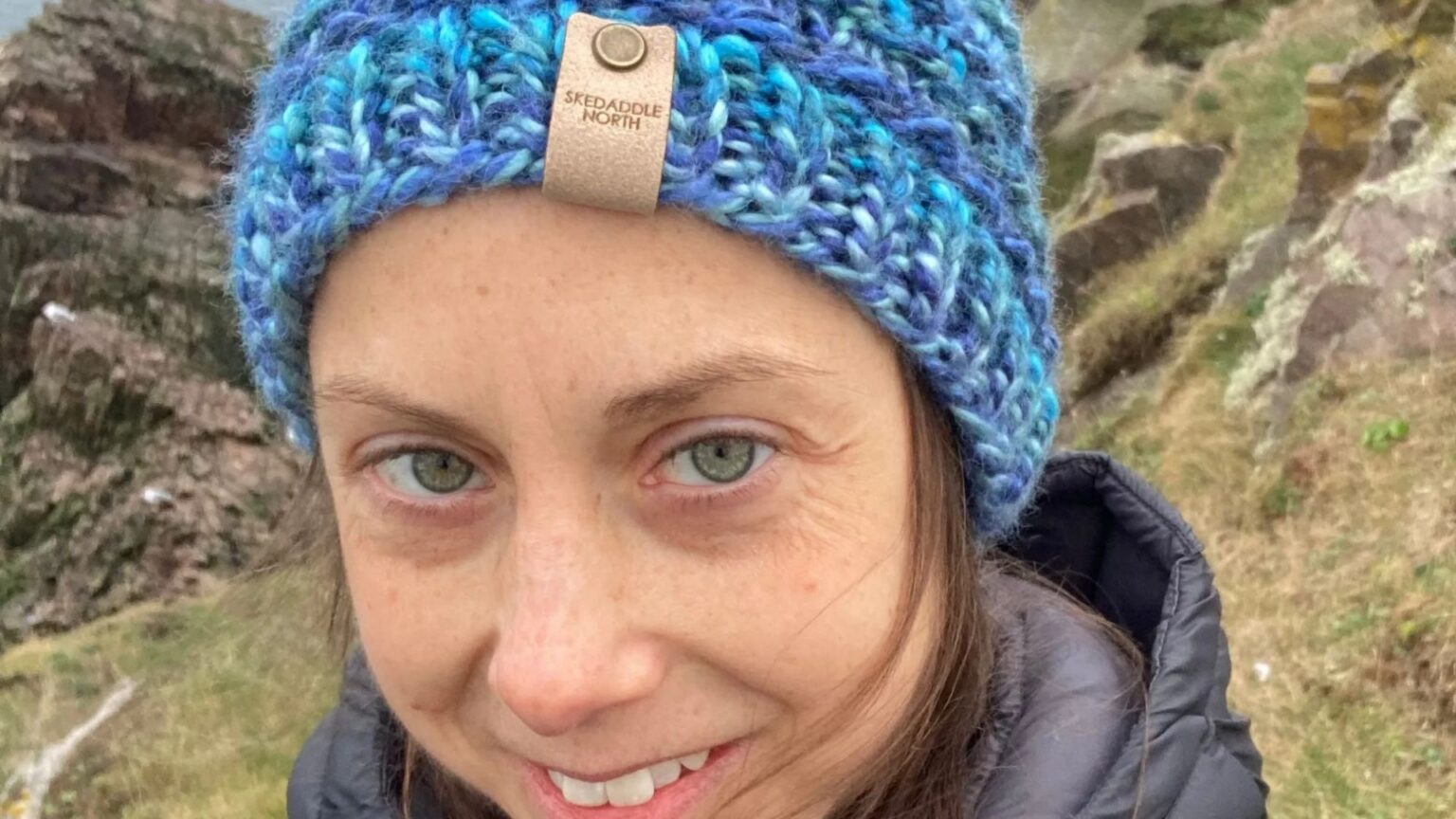
When 42-year-old Tara Walsh snapped her hip at just 31 years old, she was later faced with fractures to her foot and spine, now saying: “I’m scared of falling all the time.”
Tara Walsh was just 31 when her right hip suddenly snapped Credit: Supplied
The 42-year-old says she is terrified of having another fall, having also snapped her foot and spine Credit: Supplied
Tara was diagnosed with osteoporosis and felt like she was being handed a “death sentence”. What she didn’t know then was that she is far from alone.
Currently, 3.5million Brits suffer from osteoporosis according to the British Nutrition Foundation and there are 520,000 fragility fractures each year in the UK.
“We tend to think of osteoporosis as something that only affects older people, particularly women, but younger people can get weak bones, too,” says Kat Bright, a nutritional therapist specialising in bone health.
Poor nutrition, eating disorders and certain medications can all impact bone health at any age – and now, GLP-1 weight-loss jabs are feared to be putting the nation’s bones at risk, too.
Tara (left) says her osteoporosis was the result of years of disordered eating Credit: Supplied
Tara says at first, she felt like her diagnosis was a “death sentence” Credit: Supplied
Dr Jack Mosley, scientific advisor at the Fast 800 programme, and son of the late Dr Michael Mosley, says: “One concern with GLP-1 weight-loss medications is that, as well as fat loss, people can lose muscle, and also some bone density, too.”
Osteoporosis is a slow-developing condition that makes bones weaker and more likely to break.
Tara struggled with disordered eating as a teen. When she began studying law at the University of Cambridge, it ramped up.
“I felt like I was failing all the time and everything was out of control,” she says. “Without realising, I was using food as the one thing I felt I had some control over.”
Tara visited her GP when her periods stopped due to weight loss. Tests revealed she had osteopenia – when bone density is lower than usual for your age.
“I was in my third year at Cambridge, so I didn’t really have the headspace to deal with it,” she says.
Given dietary advice and reassurance, Tara didn’t think much about the bone condition again. But in her early 20s, her disordered eating patterns returned when she began working at a London law firm.
Long hours, lack of sleep and loneliness led Tara to obsessively exercise – she would go running every morning before work, after just three or four hours of sleep.
She was left struggling to walk from the pain and was later diagnosed with osteoporosis Credit: Getty Images/Science Photo Libra
In 2015, Tara felt her first fracture in the office.
“I was running back from the printer and it felt like something snapped,” she says. “I was struggling to walk and eventually went to see a physiotherapist.”
An MRI scan revealed two fractures in her pelvis – on her pubic bone and sacrum.
“It might sound irrational, but at the time it made me think: ‘Well, I’m doomed now, I’m going to die early.’ It felt like there was one trajectory, and I couldn’t stop it.”
Osteoporosis is not directly fatal, but bone breaks can lead to life-threatening complications such as pneumonia and blood clots. It also reduces mobility and may cause chronic pain.
Tara had a DEXA (bone density) scan in 2020, after another fracture to her hip and both wrists.
“It revealed I had severe osteoporosis. I was so shocked, I felt that if I’d just looked after my body and health better when I was younger and had more understanding of this condition, maybe it could have been avoided,” she says.
Osteoporosis is treated with drugs that slow down bone decay while triggering cell regrowth.
As well as making adjustments to her diet and exercise habits, Tara began a two-year course of bisphosphonate injections to help strengthen her bones.
She suffered another setback in 2024, when she fell and fractured her spine. “I fell on my bum and I could feel it reverberating up my spine,” says Tara.
The ordeal sent her down a mental health spiral, triggering what she describes as “old thoughts of control and overwhelm”.
But hearing about other sufferers’ experiences through the Royal Osteoporosis Society has helped her feel less alone.
The fat jab bone risk:
With millions of people turning to GLP-1 weight-loss jabs, scientists are uncovering a worrying structural side effect.
When you lose weight rapidly on these medications, which include Mounjaro and Wegovy, your body doesn’t just burn through fat stores.
With weight loss also comes a breakdown of lean muscle mass and bone mineral density.
This matters because msucles pull on bones, and this tension signals your body to build a stronger skeleton.
When muscle mass plummets, your bones stop regenerating.
If you are taking weight-loss injections, experts insist you should combine them with high-protein diets and resistance training to stop your skeleton from thinning.
A study published in the journal Nutrition, Obesity, and Exercise found that people taking GLP-1 drugs had weaker bones as well as signs that their bodies were breaking down bone faster than building it, leading to a net loss of bone mass.
Professor Franklin Joseph, a consultant physician, diabetes expert and founder of Dr Frank’s Weight Loss Clinic, previously told Jattvibe Health: “When bone health is compromised, it can lead to a number of serious issues – including increased risk of fractures, slower healing and a higher chance of developing osteoporosis.
“Over time, bones become less dense, more brittle and more prone to breaks even from minor falls or bumps.
“One of the lesser-known effects is height reduction.
“As the bones in the spine lose density, the vertebrae can begin to compress or collapse slightly, which causes people to become shorter over time.”
“It’s given me hope that my condition is not a death sentence, that life is still worth enjoying,” says Tara, who is now in her second year of taking alendronic acid medication to improve her bone density.
“Ultimately, you can improve things, even if you’ll never fully reverse it.”
“I still officially have osteoporosis, but my bones are not as weak as they were,” she says. She also does reformer Pilates twice a week to build up her core strength and keeps running to a minimum.
By sharing her story, Tara wants to give other people hope that you don’t have to stop living.
“You can still do the things you enjoy while looking after your body,” she says.
Are you at risk of osteoporosis?
Osteoporosis is largely influenced by lifestyle choices, as well as genes.
Women lose bone rapidly in the first few years after the menopause which puts them at greater risk than men.
“After menopause, the sharp decline in oestrogen significantly increases bone loss,” says Kat.
But don’t wait for the ‘snap’ to protect your skeleton. Prevent the condition now by improving your diet.
“Calcium is crucial for healthy bones,” says Kat. “Other key nutrients include protein, vitamins D and K, magnesium, phosphorus and boron.
“Adults need around 1,200 calcium mg a day. Milk, cheese and yoghurt are all good sources of calcium.”
Sardines, prunes, tahini and rocket are also rich in bone-healthy nutrients.
Lean meat, fish, eggs, beans, lentils, tofu, quinoa and nuts and seeds will give you a protein boost, to maintain bone tissue, boost muscle strength and help with calcium absorption.
“Most adults need about 0.75–0.8 grams of protein per kilogram of body weight each day,” says Kat.
Getting enough sleep is also vital.
“During sleep, the body repairs and regenerates, including our bones. Growth hormone is also released, helping replace old bone tissue. Disturbed sleep can lower these levels,” says Kat.
Resistance exercise strengthens bones by making muscles work against a load.
“This doesn’t require heavy gym weights – bodyweight, resistance bands, carrying shopping or climbing stairs all count,” says Sammy Margo, Chartered Physiotherapist (smartphysio.co.uk).
Aim for two to three sessions per week and these simple daily exercises:
Squats: Hold a water bottle or cans for resistance.
Jump: Bursts of jumping can improve bone density, research on post-menopausal women has shown.
Heel drops: Rise onto your toes and drop back down firmly 10 times, twice daily. Weighted carries: Walk across the room carrying heavy bags in each hand.
Wall push-ups: For wrist and forearm bone density.