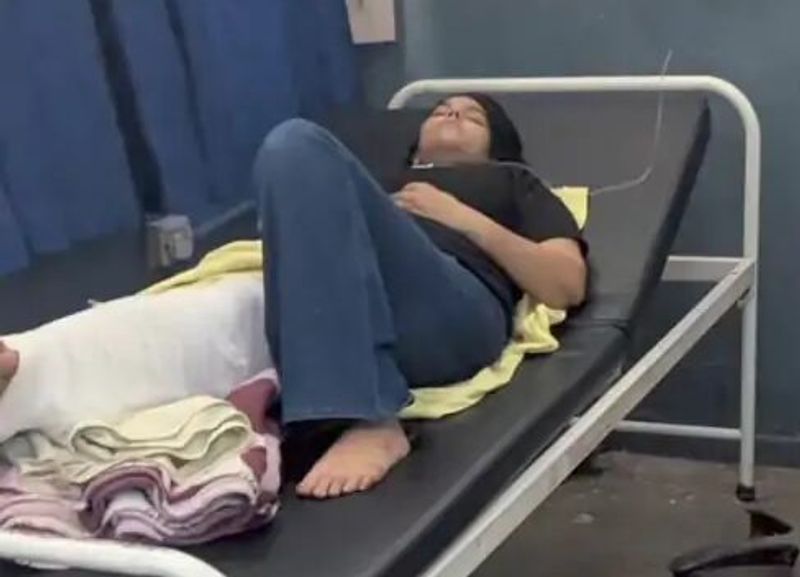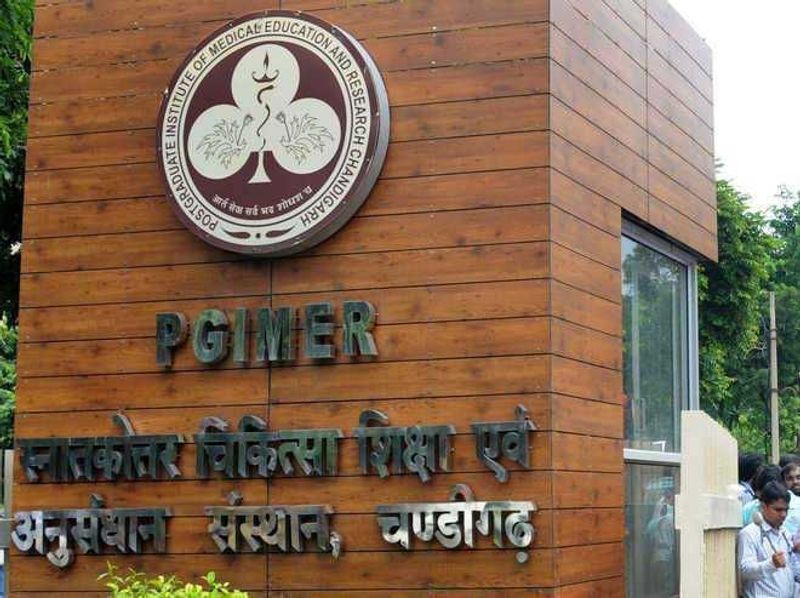

British cinematographer George Richmond — who suffered a catastrophic cervical spine injury in a Himachal Pradesh paragliding accident last week and underwent a high-stakes spinal surgery at PGIMER in Chandigarh on Thursday — presents a picture of cautious stabilisation, with doctors flagging critical concerns even as they record incremental signs of recovery.According to the PGIMER health bulletin, signed jointly by Prof. Vijay Goni, Head of Orthopaedic Surgery; Dr Nidhi Panda, Head of Neuro-anaesthesia; and Prof. Ashok Kumar, Medical Superintendent, PGIMER, Richmond is awake, conscious and responding to commands. He is able to interact and communicate with his wife, who has been at his bedside through the ordeal at India’s premier public medical institution.However, the clinical picture remains grave in critical respects. Richmond currently has very limited movement in both arms and no movement in either leg — a direct consequence of the severe spinal cord injury he sustained when he crashed into the rugged Deo Tibba terrain in Kullu district on June 8. His oxygen saturation is holding at 96 per cent on nasal supplementation but doctors have flagged that his breathing muscles remain weak — warning that if his respiratory status deteriorates, he will be managed accordingly. Blood pressure and heart rate are stable. Kidney function is normal, urine output adequate. His haemoglobin, however, remains low at 8.8 g/dL — a level that will require close monitoring. He passed stool on Friday night, which doctors consider a clinically significant and encouraging sign given the neurological compromise involved. Vigorous physiotherapy is under way round the clock.The bulletin’s candid acknowledgement of weak breathing muscles is the most significant concern flagged on Saturday evening. Cervical injuries at the C1 and C5-C6 levels — the two fracture sites Richmond sustained — place the spinal segments governing diaphragmatic and intercostal muscle function under direct threat. A deterioration in respiratory muscle strength can rapidly escalate to the need for mechanical ventilatory support. The medical team’s explicit flagging of this contingency signals that Richmond, while stable, remains in a critical phase of post-operative monitoring.Richmond was part of a five-member group on a long-distance cross-country paragliding flight from Bir Billing in Kangra district heading toward the Deo Tibba region when he crashed into difficult mountain terrain on June 8, triggering an extensive search and rescue operation.