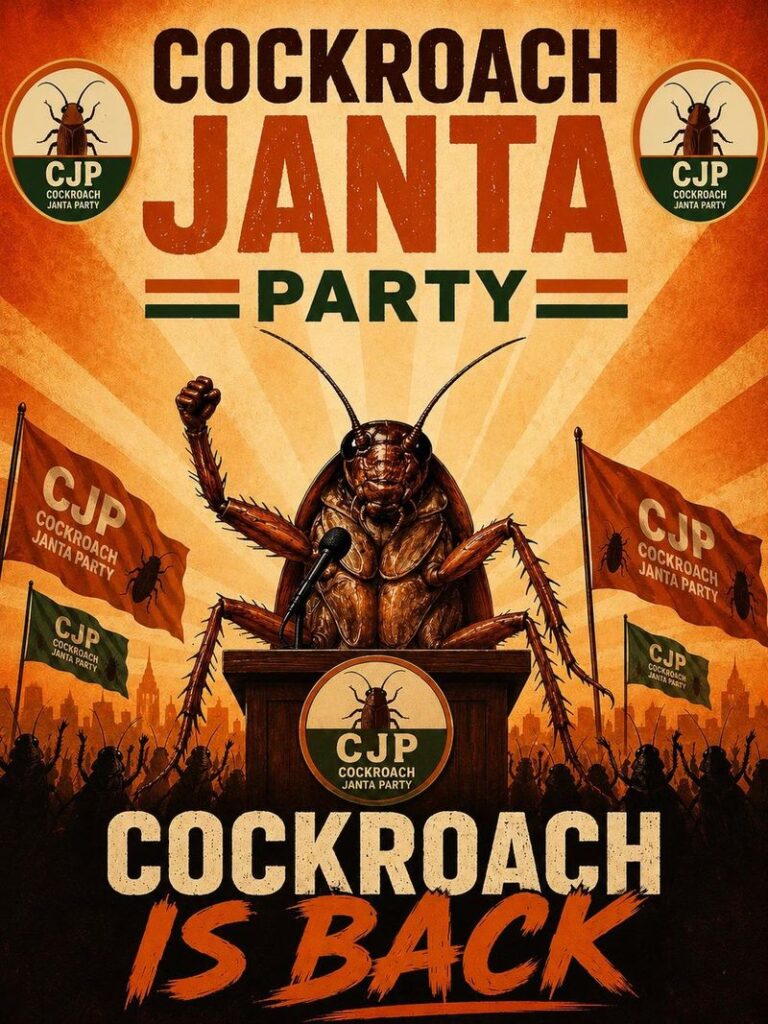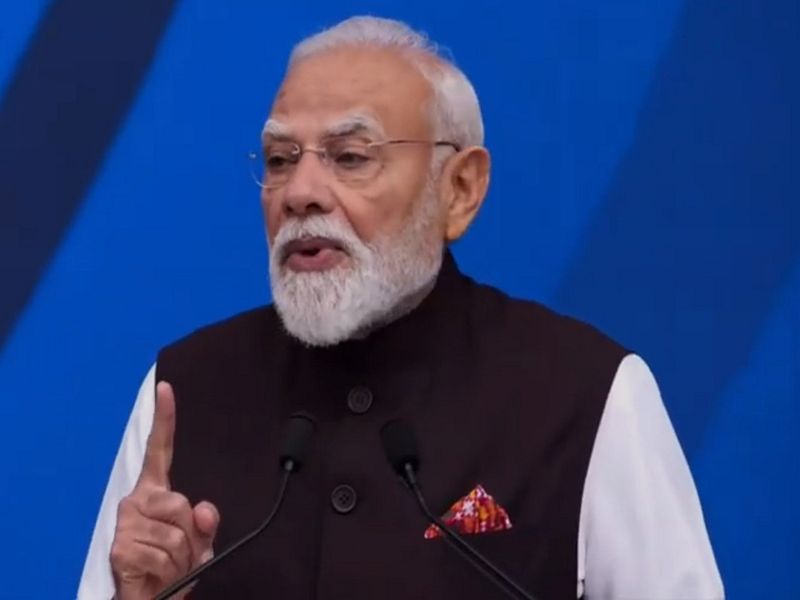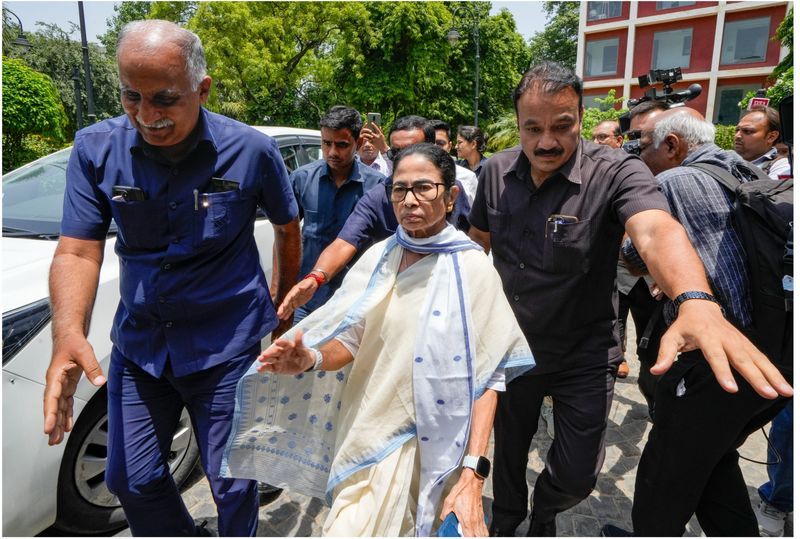

After its traumatic defeat in the West Bengal Assembly elections, the TMC suddenly started losing its members in quick succession. Nineteen of the party’s 28 Lok Sabha MPs and 2 Rajya Sabha MPs have already left the party. The TMC leaders who are leaving are a unique bunch; they have defected, but for the moment not to another party. It is less likely that Mamata will make any drastic decisions about her problematic nephew. She is being pressed to sideline him or dump him; the “us versus him” tension has reached a flashpoint, writes senior journalist Shikha Mukerjee in her Edit piece A coup in TMC, not rebellion. Mamata will not wither away, no matter how fervently the putschists and the BJP and other parties that opposed the Trinamool Congress may want it, she writes.The rebellion against Mamata is being led by women — Kakoli Ghosh Dastidar, Saayoni Ghosh, Satabdi Roy, Sushmita Dev, and others. In her weekly column (The Great Game) article Ekla chalo re, Editor-in-Chief Jyoti Malhotra talks about the capacity of strong women like noted khayal singer Kesarbai Kerkar, Mamata Banerjee and rebel women TMC leaders to negotiate power as well as excellence or both. Kesarbai Kerkar’s 1935 thumri, Jaat kahan ho, may be a question for Mamata Banerjee today. The TMC’s women rebels have picked up the sharpest kitchen knives and stabbed the leader they once swore they would fight for. Mamata could invoke her inner Rabindranath Tagore and add, “If I call and no one answers me, I will walk alone — Ekla chalo re”.On June 10, Narendra Modi completed 12 years of uninterrupted democratic rule, surpassing Jawaharlal Nehru’s record of 4,398 days as prime minister. The BJP’s celebration of this feat is far-fetched, writes Ajay Mehra, Senior Fellow, Centre for Multilevel Federalism, in his Op-Ed article Modi, Nehru & Rahul: Leadership matters. That’s because Nehru inherited a divided country, a ruptured social fabric and an empty treasury. His great grandson Rahul Gandhi is still taking baby steps under adversity of a different kind. His efforts may not be perfect, but they are sincere, he writes.For Modi, it was not merely about capturing more states but also about expanding the BJP’s footprint nationwide — an obsession that drives Modi even today. He cherry-picked his long-term political associate and former Gujarat minister Amit Shah to head the BJP, writes senior journalist Radhika Ramaseshan in her Edit article How Modi has reshaped the BJP. At the top, Modi worked to a self-drawn agenda: the RSS’ expectations could not be ignored; the BJP’s organisational authority had to prevail over the government; the bureaucracy was to remain stable; and large economic initiatives were seen as the key to success.Modinomics is not a static ideology; it is about balancing economic change with the need to ensure political longevity, writes senior journalist R Jagannathan in his Op-Ed article The many faces of Modinomics. The truth is no other party has any better ideas for improving the country’s economic future. That is what keeps Modi ahead of his political rivals.Meanwhile, the Cockroach Janta Party’s (CJP) founder Abhijeet Dipke mounted the stage at New Delhi’s Jantar Mantar. The sudden rise of the CJP has revealed a generation that feels unheard. The image of young Indians marching under the banner of a cockroach serves as a warning, says our Deputy Editor Harvinder Khetal in her Op-Ed article Unlike Anna Hazare protest, CJP is about opportunity. The youth is no longer willing to wait for institutions to address their concerns. Building a sustainable political platform is a challenging task for the CJP. It must confront these questions: can symbolism be converted into substance? Can viral popularity evolve into meaningful reform? Can the movement develop a coherent agenda without losing its appeal? she writes.Amid the West Asia crisis, when we need to save our forex reserves, the Reserve Bank of India sits on the horns of this golden trilemma: should it buy more gold to catch up with the US and China? Should it sell some gold to close the dollar demand-supply gap when needed? Or, should it stay still — neither buy nor sell gold? The Central banking authority and the government should consider the option of selling some gold dispassionately, says former finance secretary Subhash Chandra Garg in his Edit article Why RBI should sell some gold. It makes sense to book some profit and shore up usable foreign currency reserves. The option of staying put is symptomatic of a fear psychosis. Sell some gold without fear, he suggests. It will require changing its own and the people’s mindset that gold is like any other foreign exchange asset and there is no odium attached to gold sales, when required.In an interesting diplomatic development, EU’s High Representative for Foreign Affairs, Kaja Kallas, met Pakistan Foreign Minister Ishaq Dar in Islamabad on June 1. The EU-Pakistan joint statement stated: “The Pakistan side briefed on the issue of Jammu and Kashmir. The EU side briefed on Russia’s war on Ukraine. Both sides expressed support for the peaceful resolution of conflicts through dialogue and diplomacy in accordance with the principles of the UN Charter.” Calling the statement unprecedented and offensive, former MEA Secretary Vivek Katju writes in his Edit article India-EU tie has a Pak feeling that skilled and professional EU diplomats who negotiated the joint statement would have known that putting J&K and the Ukraine war in the same paragraph would be unacceptable to India. EU deliberately agreed to a formulation that the Pakistanis may have proposed, he avers. In accepting it, the EU showed complete disregard for Indian sensitivities. At present, it was naturally essential for the EU to mention the Ukraine war in a joint statement. In turn, the Pakistanis would have demanded the inclusion of their viewpoint on J&K. India must call the EU out — not through smart one-liners but logic backed by action, he writes.