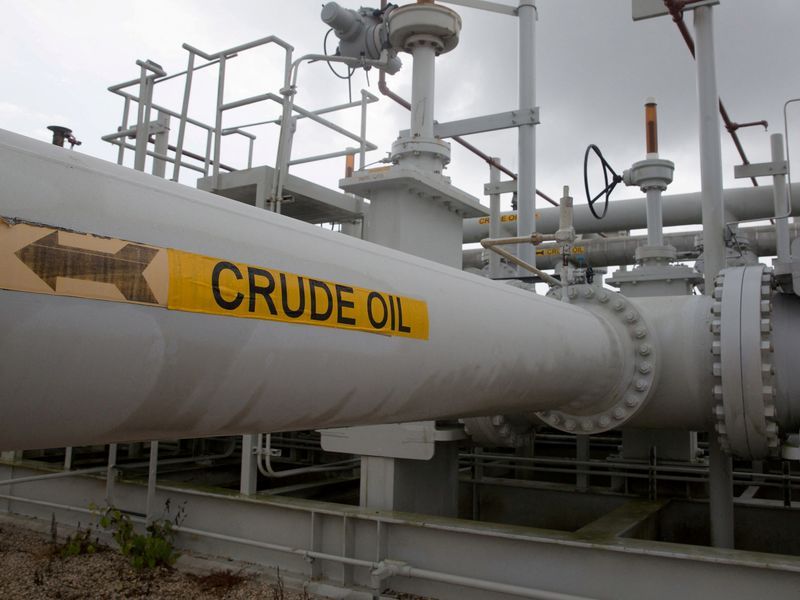

Global crude oil prices fell by almost 5 per cent on Monday after the announcement of a tentative peace deal between the United States and Iran that is expected to reopen the Strait of Hormuz, one of the most vital oil shipping routes in the world.The development led to a significant correction in oil prices and eased fears of supply disruptions in West Asia.Brent crude, the global benchmark, plunged to about $83 per barrel and US West Texas Intermediate (WTI) crude dipped below $81 per barrel, as traders wiped out the geopolitical risk premium built into oil prices during months of turmoil.Approximately one-fifth of the world’s oil supplies pass through the Strait of Hormuz, and the deal is expected to restore the flow of gas and oil exports through this route.Earlier, the fears of potential disruptions in the Strait of Hormuz could limit global energy supplies drove oil markets to soar, reaching as high as $120 per barrel during the initial phases of the US-Iran war in March.However, the latest peace agreement indicates a gradual normalisation of oil exports from the region.The agreement reportedly calls for the reopening of the Strait of Hormuz as well as more extensive talks to put an end to hostilities and restore trade. The sharp drop in oil prices was caused by traders reducing their bets on higher crude prices as the probability of a prolonged supply disruption subsided.Impact on IndiaReduces imports billOver 85 per cent of India’s crude oil requirements are met by imports, making it the third-largest oil user in the world. The country’s economy, inflation, fiscal health, and company earnings are all directly impacted by changes in the price of crude oil globally.Every persistent drop in crude oil prices improves India’s current account balance, reduces pressure on the currency, and cuts the country’s import bill. On the other hand, an increase in oil prices often results in higher trade imbalances and inflation.India’s top import is crude oil. The country spends less foreign exchange on energy imports as prices around the world drop.The current account deficit (CAD), which measures the difference between the imports of a country and exports, can be reduced with a lower oil import bill. In general, a lower CAD strengthens the currency and reduces reliance on inflows of foreign capital.Eases pressure on rupeeRefiners and oil marketing firms are less inclined to demand US dollars when oil import bills are lower. The Indian rupee’s value in relation to the US dollar may stabilize as a result. In conclusion, a stronger or more stable rupee reduces the cost of imports and contributes to the stabilization of imported inflation.Additionally, currency stability encourages capital inflows into Indian financial markets and boosts investor confidence. On Monday’s opening trade, the rupee gained 43 paise.