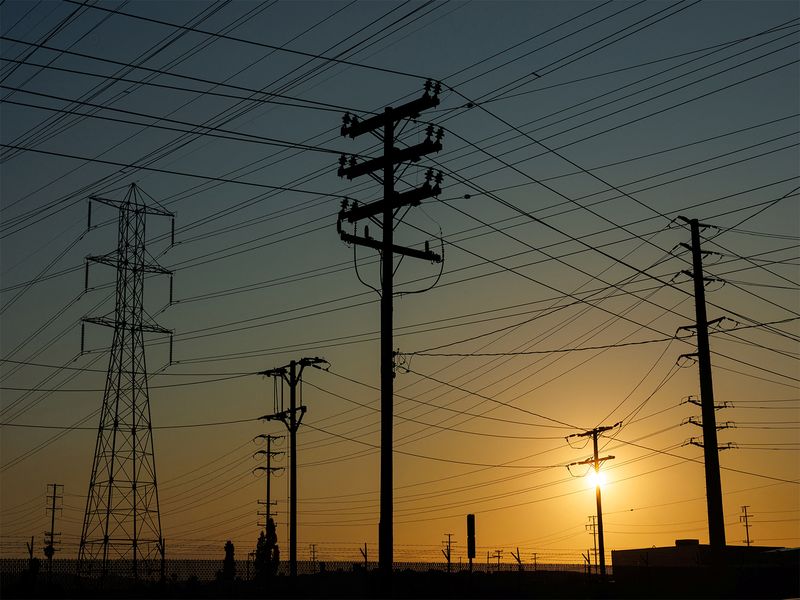

Punjab is grappling with rising power demand and restricted electricity generation as the paddy season reaches its peak, increasing pressure on the power sector and the state’s groundwater resources.With delayed rainfall forcing farmers to rely on tubewells for irrigation, demand for electricity has surged. Farmers require around eight hours of power supply daily to run tubewells and irrigate paddy fields.Punjab’s own thermal power generation has dropped to about 600 MW, while private generators are supplying around 3,000 MW. The state is also drawing 10,560 MW from the Northern Grid.Despite lower industrial demand due to the weekly holiday, the state’s peak load touched 15,560 MW. Officials said the delay in monsoon rains has further increased farmers’ dependence on groundwater extraction.The extensive use of tubewells continues to place significant stress on groundwater reserves. With an average eight-hour power supply, each tubewell is estimated to extract about 30.24 lakh litres of water every week. Collectively, nearly 14 lakh tubewells in Punjab draw around 4,385 billion litres of groundwater weekly during the paddy season.Ludhiana has the highest number of tubewells in the state at 1.17 lakh, followed by Gurdaspur (99,581), Amritsar (93,946) and Sangrur (93,669). These districts have also witnessed some of the sharpest declines in groundwater levels over the years.Power generation has also been affected by outages at thermal plants. All four units at Lehra Mohabbat are among six state-sector thermal units currently shut.All four units of the Ranjit Sagar project are operational and generating 565 MW.A PSPCL official said power supply was being maintained with minimal disruptions and some of the shut units were expected to resume operations within the next 24 hours.