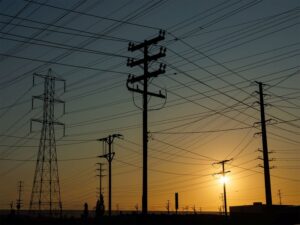

The Punjab State Power Corporation Limited (PSPCL) has announced that agricultural feeders across the state are now receiving up to 20 hours of electricity supply, significantly exceeding the promised eight hours per day, to compensate farmers for the temporary shortfall experienced during the peak paddy transplantation season.PSPCL Chairman-cum-Managing Director Dr Basant Garg said the state’s power situation had returned to normal and agricultural feeders had been receiving up to 20 hours of electricity over the past 24 hours.Dr Garg said that between June 27 and June 30, some agricultural feeders received only six to seven hours of supply instead of the scheduled eight hours. He attributed the temporary reduction to an unprecedented surge in electricity demand during the severe heat wave, which left little power available on the power exchange, along with a strike by contractual workers at thermal power plants that affected power generation.He said that despite these challenges, PSPCL managed to ensure six to seven hours of daily power supply to farmers by operating round the clock. With the contractual workers’ strike now withdrawn and thermal power generating units back in operation, normal electricity supply has been fully restored across Punjab, he claimed.The CMD said PSPCL had started providing additional electricity to the affected agricultural feeders to make up for the temporary shortfall. He emphasised that farmers would not suffer because of exceptional circumstances beyond their control.To ensure uninterrupted irrigation during the ongoing paddy transplantation season, PSPCL has made special operational arrangements and instructed field officers to closely monitor feeder-wise supply, optimise power availability and respond promptly to local issues, he said.Reiterating the corporation’s commitment to the farming community, Dr Garg said safeguarding farmers’ interests remained PSPCL’s top priority and assured that every affected farmer would receive the additional electricity needed to compensate the earlier disruption.