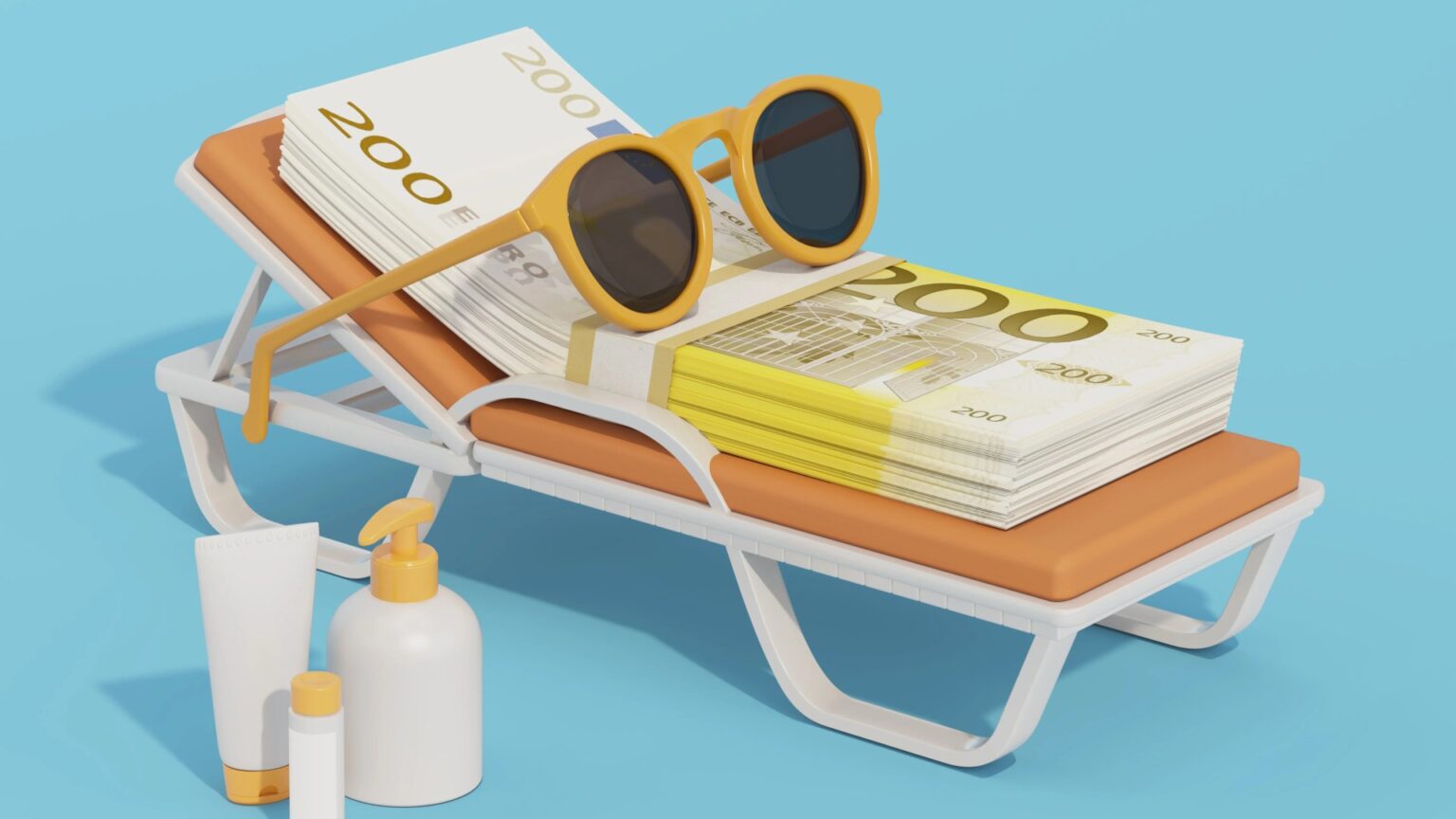


STOP sneaky summer spending traps from burning a £2,300 hole in your wallet.
Expenses over the six-week school holidays, including keeping the kids entertained, cost nearly as much as Christmas, says Matthew Sheernan from debt advice organisation Money Wellness.
Sign up for the Money newsletter
Thank you!
Sneaky summer spending traps could be burning a £2,300 hole in your wallet. Credit: Getty
Mel Hunter explains how to avoid six big financial drains this summer Credit: Photolyric
“The difference is that Christmas is planned and saved for – summer tends to sneak up on people,” he says.
Mel Hunter explains how to avoid six big financial drains.
AIRPORT EXPENSES: £100
Airport spending can quickly spiral, but taking snacks, refillable water bottles and your own travel-sized toiletries can help keep costs down Credit: d3sign
GOING on a summer holiday? Then watch yourself at the airport.
We spend an average of £36 per person before a flight in shops, bars and restaurants, according to Confused.com, so families could kiss goodbye to around £100.
NOT CHEAP AS CHIPS
Warning of cost increase to phones and laptops amid global chip shortage
NO MORE-GAGE
Save £22k on your mortgage with simple £25 trick – our expert how-to guide
Tom Francis, head of personal finance at Octopus Money, says: “Try to be as prepared and considered as possible. Take food and refillable water bottles and have a plan in case the flight is delayed.”
Don’t fall for airports’ expensive travel-size toiletry trick. Instead decant liquids into smaller plane-friendly containers.
Swap a mini 60ml Radox Feel Awake shower gel for £1.75 at Boots, for more than twice as much in a regular 225ml bottle, costing £1 at most stores.
Buy a ten-piece set of travel bottles for £2.50 at Dunelm and pour in what you need.
‘ONE-OFF’ SPENDS: £300
Small summer treats can soon add up, but budgeting for them and making your own iced coffees and ice lollies can save hundreds over the holidays Credit: Reuters
WHAT’S wrong with the occasional takeaway after a long day out, a few ice creams or popping out for drinks with friends?
These treats seem like small splurges, but could add up to an extra £50 a week, or £300 over the six-week holiday, according to vouchercodes.co.uk.
The key is to budget for the little treats. Deduct essential expenses such as bills and food costs from your monthly income — this is your disposable income. Divide it by four, and this is what you have per week to spend.
Look for ways to cut the cost of small treats.
Food waste expert Kate Hall, author of The Full Freezer Method, advises making your own iced coffee by freezing the last inch of coffee from the pot and add a cup of cold milk — you’ll save £3.50 compared to buying from a cafe.
Make your own lollies by mixing frozen strawberries, yogurt and honey together.
It costs 50p to make each lolly, compared to £3.50 to £5 from the ice cream van.
SUMMER SOCIALS: £300
Watching World Cup matches at home instead of the pub could save you more than £30 once drinks, food and travel are factored in Credit: Reuters
SUMMER means beer garden season and, with the World Cup, pub trips will be even more tempting.
Ticket site SeatPick did the sums for watching the games in a pub.
Three pints, a burger and transport home could easily set you back £45, compared with £12.50 if you watch from your sofa at home.
Why not host your own World Cup party?
Invite friends to bring an £8 bottle of wine to your place instead of paying £25 in a bar.
Pimm’s and lemonade will cost around £20 a pitcher at the pub, but you can mix your own in an empty two-litre bottle, with a litre of Pimm’s for £10 (down from £23.50) at Sainsbury’s with a Nectar card.
And at Aldi, Austin’s Classic Summer Punch, 70cl, is a great Pimm’s alternative for £8.49.
TREATING THE KIDS: £1,000
Last summer, financial services firm Hodge totted up the price of 11 popular days out for a family of four and it came to £992 Credit: Alamy
THE biggest summer expense is keeping the kids entertained. Last summer, financial services firm Hodge totted up the price of 11 popular days out for a family of four and it came to £992.
Nearly half of parents have borrowed money for family days out, using credit, overdrafts or buy-now-pay later.
And one in ten is doing so regularly, according to a poll by Money Wellness, whose Matthew Sheeran says: “You don’t need to make every day special.
“Libraries, leisure centres and local councils often put on free events during the holidays that don’t get nearly enough attention.”
Look out for details of free events such as local festivals and nature trails.
Find out about free workshops in places like Pets At Home and Ikea.
Look for free museums and art galleries. Some councils offer free swimming sessions during the holidays.
Check what your council offers.
GARDEN SPLURGES; £500
Garden makeovers can quickly cost £500, but second-hand bargains, DIY pallet furniture and repurposing indoor pieces can create the same look for less Credit: Getty
NO garden seems complete now without plush seating, a huge barbecue, twinkly lights and even outdoor rugs — nice but not necessary.
According to financial services firm Vypr, it is easy to spend £500 on big garden buys, but you can get the look for less.
Your first stop should be second-hand sites like eBay, or sites where people are giving items away for free, such as Freecycle or Freegle.
Look on YouTube to see how to make furniture out of wooden pallets.
It’s a simple DIY job that will give you satisfaction.
There is no rule to say you can’t use indoor furniture outdoors.
As long as rain isn’t forecast, move your kitchen table to the patio to eat al fresco.
FOREIGN SPENDING FEES: nearly £100
Foreign card fees and ATM charges can quickly add up on holiday, but using fee-free travel cards and paying in local currency can help avoid unnecessary costs Credit: Alamy
USING a standard UK debit or credit card abroad can add unexpected costs to your holiday.
Many banks charge up to three per cent in foreign transaction fees, meaning a family spending £2,000 could pay £60 in card charges alone.
If you withdraw cash, you’ll often face an additional two to three per cent withdrawal fee, plus charges from the local ATM operator, which could be up to £5.
If you withdraw cash three times abroad, that is another £15.
The trick is to get a card that doesn’t charge fees when used abroad.
You won’t pay fees for withdrawing cash or paying for things with a Chase Bank account or First Direct current account.
With Monzo, you can use your debit card for free in most of Europe, though you may pay for withdrawals over a certain limit.
With Starling Bank you get fee-free spending and can withdraw up to £300 a day.
Another trick is to pay in the local currency.
This way, you get a better exchange rate. Pay in pounds and it could add up to ten per cent to the cost of purchases.
If you splashed out £120 on a meal, it could mean an extra £12.