

SHOPPERS using AI “smart trolleys” being trialled at major supermarkets are spending MORE than other shoppers, research has revealed.
The high-tech carts, which can scan items, weigh products and show a running total on a built-in screen, have been hailed as a way to make supermarket trips quicker and easier.
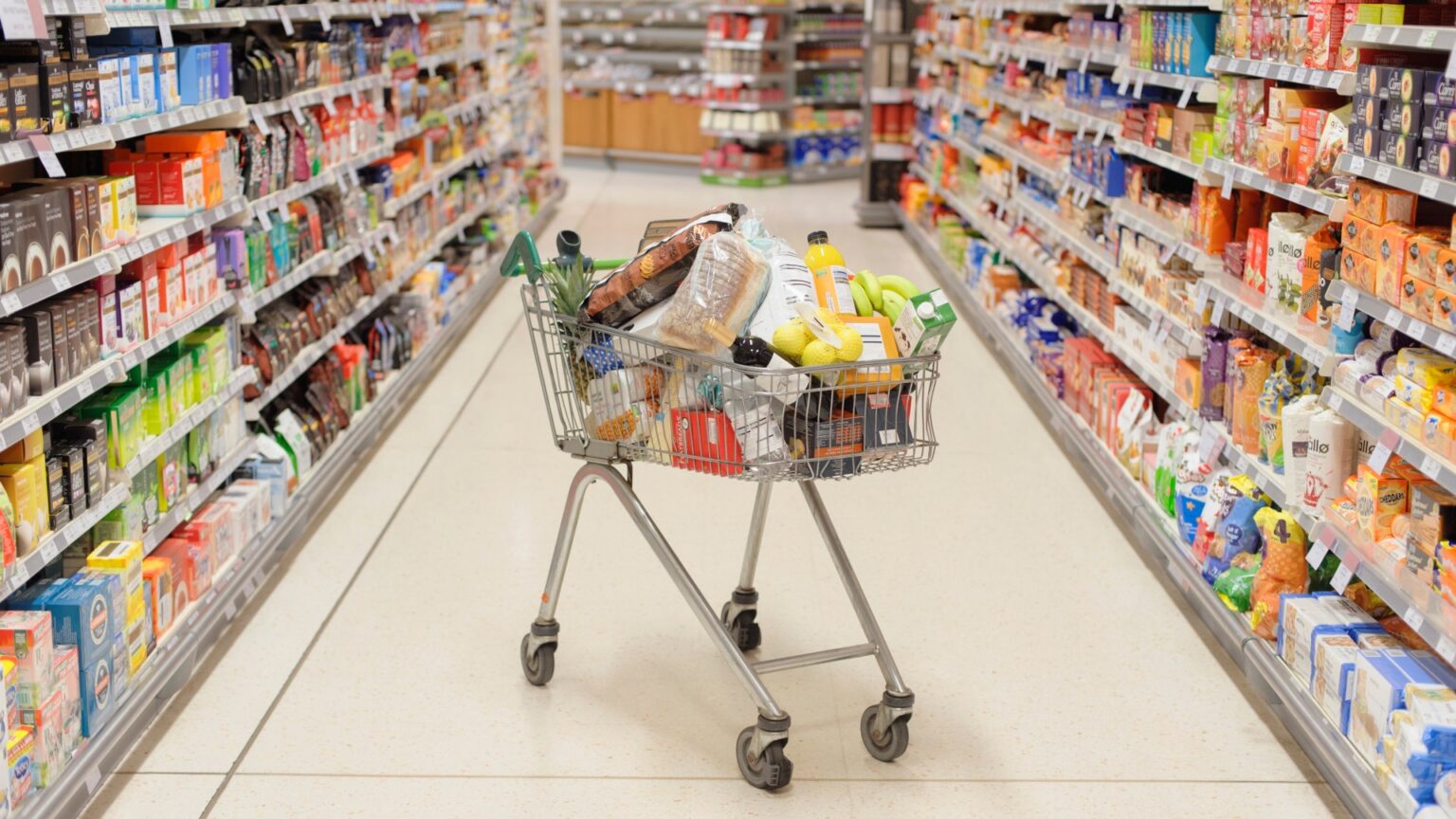
Shoppers using AI “smart trolleys” could end up spending more than other shoppers Credit: Getty
But new research by the Bayes Business School suggests they may also encourage customers to put more in their baskets — and stay in stores for longer.
The study found that shoppers using smart trolleys spent 32% more on average than those using normal trolleys.
Sign up for the Money newsletter
Thank you!
They also bought 25% more items and spent 23% longer in the supermarket.
Researchers analysed more than 12,000 shopping trips at a supermarket in Germany, comparing customers who used the smart carts with those who stuck to standard trolleys.
GREEN FINGERS
Heatwave garden mistake to avoid or risk destroying your lawn
GOAL!
Energy firm to give away 5 years’ of FREE electricity each time England scores
The study warned interactive screens and extra information may make shopping more engaging, encouraging customers to browse more and add extra items.
However, researchers also suggested that too much interaction with the trolley screen could distract shoppers and potentially reduce spending.
The research comes as supermarket giants Morrisons and Waitrose experiment with AI-powered trolleys.
Morrisons has been trialling the new smart trolleys at a branch in Preston.
It has been using tech already used in American stores like Kroger and Coles, but Morrisons will be the first to launch the tech in the UK.
Fitted with touchscreens, sensors and built-in scales, the space-age carts allow customers to scan items as they shop, weigh fruit and veg directly in the trolley, and even track the total bill as they go.
Once the shop is done, the basket is finalised by scanning a barcode at self-checkout.
It also tallies up shoppers’ bills in real time and links to their Morrisons More vard.
Meanwhile, Waitrose started trialling the tech back in September last year.
The trolleys have a scanner and cameras attached to the handlebars which automatically identify every item you add or remove.
A small iPad-style screen shows everything in your trolley and the total cost of the products, which will help you to track your spending.
They can also help tackle theft, with the trolley flashing red to alert staff if someone tries to leave without paying.
Smart trolleys could help shoppers stick to a budget by showing exactly how much they are spending before they reach the till.
But the new study suggests some customers may end up spending more overall, particularly if the technology encourages them to stay longer in store or respond to offers and prompts.
Experts have long warned that the longer shoppers spend browsing, the more likely they are to make impulse purchases.
How to save on your supermarket shop
THERE are plenty of ways to save on your grocery shop.
You can look out for yellow or red stickers on products, which show when they’ve been reduced.
If the food is fresh, you’ll have to eat it quickly or freeze it for another time.
Making a list should also save you money, as you’ll be less likely to make any rash purchases when you get to the supermarket.
Going own brand can be one easy way to save hundreds of pounds a year on your food bills too.
This means ditching “finest” or “luxury” products and instead going for “own” or value” type of lines.
Plenty of supermarkets run wonky veg and fruit schemes where you can get cheap prices if they’re misshapen or imperfect.
For example, Lidl runs its Waste Not scheme, offering boxes of 5kg of fruit and vegetables for just £1.50.
If you’re on a low income and a parent, you may be able to get up to £442 a year in Healthy Start vouchers to use at the supermarket too.
Plus, many councils offer supermarket vouchers as part of the Household Support Fund.