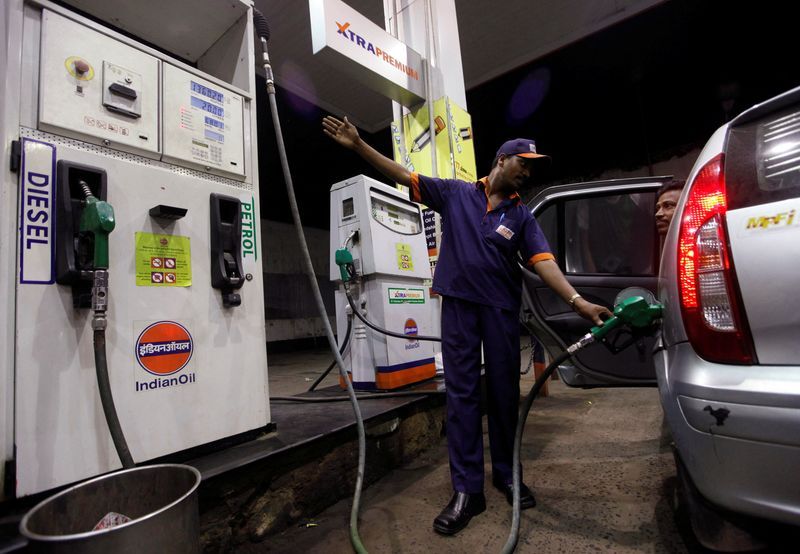

The government policy to aggressively push ethanol-blended petrol has come under severe public scrutiny in recent weeks, though the policy has been in force since 2022. The original target to achieve 20% ethanol blending was 2030, but it was preponed to 2025. There are no independent, peer-reviewed studies to back the claims about the effects of ethanol-blended fuel on vehicles. The government needs to be clear about the policy goals and present convincing evidence about its benefits, instead of attributing motives to critics and dismissing public outrage about its negative impact, writes science commentator Dinesh C Sharma in his Edit article Credible data must fuel ethanol drive. Like any new technology, green technologies — be it ethanol-blended petrol or electric vehicles — can have unintended adverse impacts when rolled out on a large scale. All new technologies need to be field-tested under different conditions over a period of time, and the data should be made available to independent experts for review, he writes.Films reflect ordinary lives and sometimes they reveal the truth, or sometimes half-truths. “Main Vaapas Aunga” and “Satluj” brought back the horrors of Punjab’s past alive. Punjab’s catharsis demands collective grieving — not finger-pointing or name-calling, writes Editor-in-Chief Jyoti Malhotra in her weekly column The Great Game article Time to remember and heal. It has taken 80 years and the passing on of a generation to be able to watch “Main Vaapas Aaunga” and it’s still a tear-jerker. “Satluj” has scraped the surface, revealing a dark, ugly side. The criticism that the movie is “too one-sided” really means that only the side of the human rights activist, Jaswant Singh Khalra, has seen the light of day. Not how terrorists mowed down innocent people, both Hindu and Sikh. Not how Punjab’s police force was also cut down by terrorists and how their families suffered, she writes.The controversial release and removal of Satluj has raised many issues related to the dark period (1978-93) of Punjab. The lifestyle and psyche of those living under the shadow of terrorism, with persistent threats of murder, kidnapping, etc, were adversely affected. The fear generated by both the State (police/paramilitary) and militant groups badly affected the social, economic and political fabric of the society, writes former GNDU prof Jagrup S Sekhon in his Op-Ed article Punjab deserves to know the whole truth. It is in this context that there is a need to give a balanced perspective on the events of the days of militancy in Punjab, he stresses.The document that serves as practical proof of citizenship for a citizen by birth is a passport issued under Section 5 of the Passports Act. Certainly, it is not the only mode of proof but that is all a citizen has. Any sincere citizenship determination exercise must be anchored in one unshakeable maxim: the burden to prove citizenship does not rest on the citizen; but the burden to rebut the presumption of citizenship rests on the State, writes Lok Sabha MP and former I&B minister Manish Tewari in his Op-Ed article How do I prove my Indian citizenship. It must not become a Kafkaesque gauntlet in which the poor, the disaster-borne, the landless and the illiterate are presumed aliens until they prove their citizenship, without the means — or even knowledge of what document would suffice — to do so.Prime Minister Modi has taken keen interest in the construction of new buildings, which seek to blend India’s ancient traditions with the aspiration of Viksit Bharat. The government’s Central Vista project can pave the way for a new Presidential residence, writes former Secretary, Ministry of External Affairs Vivek Katju in his Edit article Fate of Rashtrapati Bhavan at stake. Detailing various parts of the Raisina Hill the British took 20 years to build, he writes the construction of a new Presidential residence will also be a project of mammoth proportions, and it will also be controversial.THE 36th NATO summit (July 7-8) was held in Türkiye. For many of its European members, the alliance’s biggest strategic uncertainty today lies not in Moscow. It lies in Washington, writes former Ambassador to Russia Ajai Malhotra in his article India’s gaze fixed on NATO summit. European NATO members are now quietly questioning how much certainty alliances still provide. India should dismiss any framing of it by NATO as a balancing partner against China, he writes. India chooses partnerships to serve its national interest, external vindication is neither sought nor needed. For India, Ankara is not a meeting to influence; it is one to interpret, he writes.