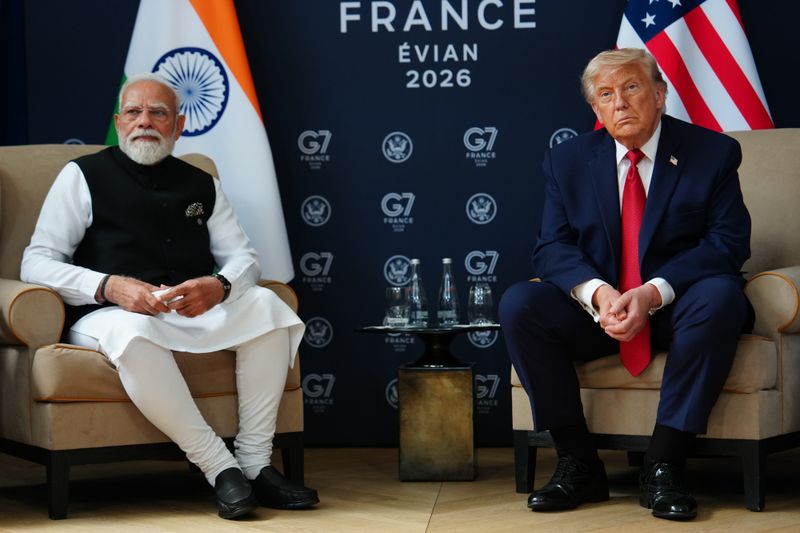

A bipartisan group of US Senators has introduced a legislation proposing tariffs of up to 100 per cent on imports from India, China and three other countries over their continued purchase of Russian oil, marking Washington’s latest attempt to intensify economic pressure on Moscow over the Ukraine war.The legislation targets the five largest buyers of Russian oil — India, China, Slovakia, Hungary and Azerbaijan — while exempting 15 European countries that continue to import Russian natural gas. Lawmakers argued that gas purchase by those nations accounted for only a small share of their energy requirements and that they were steadily reducing their dependence on Russian supplies.The Bill significantly scales back an earlier proposal that sought to impose punitive tariffs of up to 500 per cent on countries importing Russian energy. Instead, it authorises US President Donald Trump to impose tariffs ranging from zero to 100 per cent, depending on the circumstances. The measure, one of the last major legislativeinitiatives backed by thelate Republican Senator, Lindsey Graham, has been introduced along with Democratic Senator Richard Blumenthal, who urged Congress to move quickly on the proposal.Announcing the Bill, Blumenthal said the White House had agreed to the revised framework before Graham’s death.“Now is the time for this sweeping sanctions Bill,” Blumenthal said, describing it as far broader than a tariff measure.According to Blumenthal, the legislation will impose “full blocking sanctions” on key sectors of the Russian economy, including its energy, financial and defence industries, while also targeting Russian President Vladimir Putin, oligarchs and other influential business figures.He said the tariff provision had been “narrowly crafted” to apply only to the five largest importers of Russian oil.Speaking to reporters, one of the lawmakers said the exact tariff rate — anywhere between zero and 100 per cent — would be determined with the objective of strongly discouraging continued purchase of Russian energy by the targeted countries.The proposal comes as Washington seeks to tighten economic pressure on Moscow, with US lawmakers arguing that curbing Russia’s energy revenues remains critical to weakening its ability to sustain the war in Ukraine.India had sharply increased imports of discounted Russian crude after the outbreak of the Ukraine conflict in 2022, maintaining that its energy purchases were driven by national interest and the need to ensure affordable supplies for its consumers.New Delhi has consistently defended its position, saying it does not recognise unilateral sanctions that are not mandated by the United Nations and that its energy sourcing decisions are based on market conditions and domestic requirements.The legislation must clear both chambers of the US Congress before it can become a law, and its prospects of passage in the current form remain uncertain.