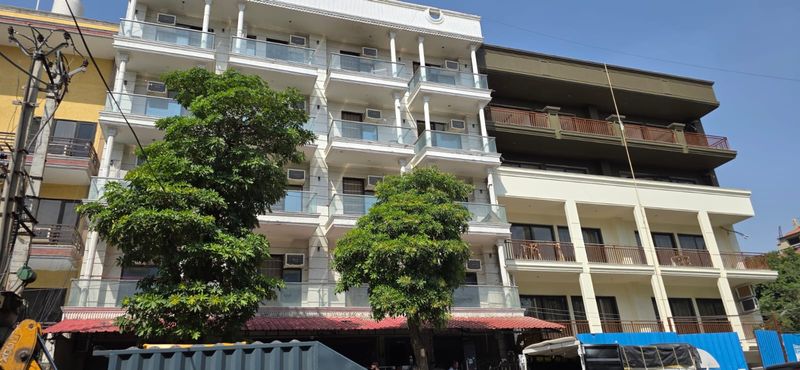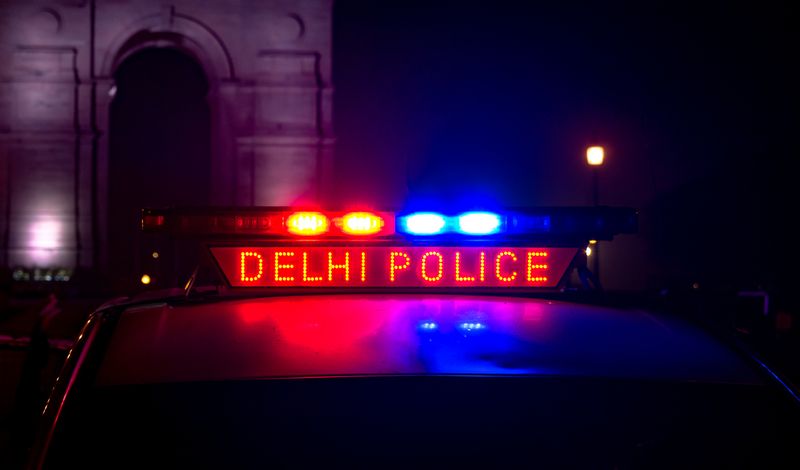

DNA profiling, fingerprint examination, crime scene reconstruction, behavioural analysis and the statements of 82 witnesses are among the key investigative findings detailed in a 973-page chargesheet filed by the Delhi Police in connection with the rape and murder of a 23-year-old UPSC aspirant and daughter of a retired IRS officer.The chargesheet was filed on Thursday before the Saket Court, and the matter has been listed for hearing on Saturday.The incident took place on April 22 in Kailash Hills, East of Kailash, under the jurisdiction of the Amar Colony police station. The victim, a bright young student preparing for the UPSC examinations, was found murdered after being sexually assaulted.The accused also stole valuables from the house before fleeing the spot. The crime occurred while the victim’s parents had gone out for their morning exercise.Following the incident, the accused, identified as Rahul Kumar Meena, a former domestic help in the family, was arrested at a hotel in southwest Delhi’s Dwarka after investigators conducted an extensive analysis of footage from more than 100 CCTV cameras.The investigation team, comprising Inspector Lokender, Rizwan Khan, Sub-Inspector Manmohan, Head Constable Rajesh and Constable Lakhan, conducted extensive field inquiries and examined a large number of people, including neighbours, security guards, domestic helps, labourers, drivers, sweepers, auto-rickshaw drivers, cab drivers, and other individuals present in the vicinity of the crime scene, an official said.Simultaneously, multiple police teams were dispatched to Rajasthan, Haryana, Uttar Pradesh, and various parts of Delhi to collect evidence, verify leads and establish the identity and movements of the accused, the official added.The crime scene was recreated at the instance of the accused in the presence of experts from the Central Forensic Science Laboratory (CFSL). Sequential photography and videography of the reconstruction process, including the accused’s entry, movement, and exit from the crime scene, were carried out. CCTV footage and reconstruction videos were also examined for gait pattern analysis, the officer said.Additionally, the behavioural analysis interview and layered voice analysis (LVA) of the accused were conducted by CFSL experts. Scientific examination further revealed that the chance fingerprints and palm impressions lifted from the crime scene matched those of the accused.The Chemistry and Biology Divisions of the CFSL examined various exhibits collected from the crime scene and other relevant locations. The forensic reports yielded positive results. DNA profiling conclusively matched the accused’s DNA with evidence recovered during the investigation, the official said.The statements of witnesses under Section 183 of the Bharatiya Nagarik Suraksha Sanhita (BNSS) were also recorded during the course of the investigation, and the prosecution has cited a total of 82 witnesses. Upon completion of all legal, scientific, and procedural formalities, a comprehensive 973-page chargesheet was filed before the court on July 16.