

ENGLAND’S smallest county is set to disappear from the map under Labour’s biggest local government shake-up in more than 50 years.
The overhaul will see Rutland County Council abolished and replaced by a larger authority stretching around Leicester, as ministers redraw council boundaries.
Government Secretary Steve Reed revealed the plans in the House of Commons this week Credit: Alamy
Rutland has a population of around 41,000 – far short of the 500,000 person-per-council target ministers set Credit: Getty
Local Government Secretary Steve Reed unveiled the plans in the House of Commons on Thursday.
He said: “We need to devolve power out of Whitehall so that we can rebalance wealth, power and opportunity right across this country.”
Sign up for The Jattvibe newsletter
Thank you!
The new authority will include towns such as Hinckley, Loughborough and Melton Mowbray, while Leicester City will remain a separate unitary council.
The reforms are part of a wider reorganisation affecting around 15 million people across England.
WAVE REVIEWS
Ultimate guide to the UK’s best holiday county with top beaches & £9.50 hols
MOTOR MAYHEM
Summer holiday travel chaos as major UK motorway engulfed by thick smoke
In total, 134 district and county councils will be abolished and replaced by new unitary authorities providing all the services in a local area.
Rutland, home to around 41,000 people, falls well below ministers’ target of councils serving about 500,000 residents.
The changes sparked fury among local campaigners determined to protect the county’s centuries-old identity.
Conservative MP Alicia Kearns said Rutlanders had “never chose to join” the new authority and wanted to remain separate from neighbouring counties.
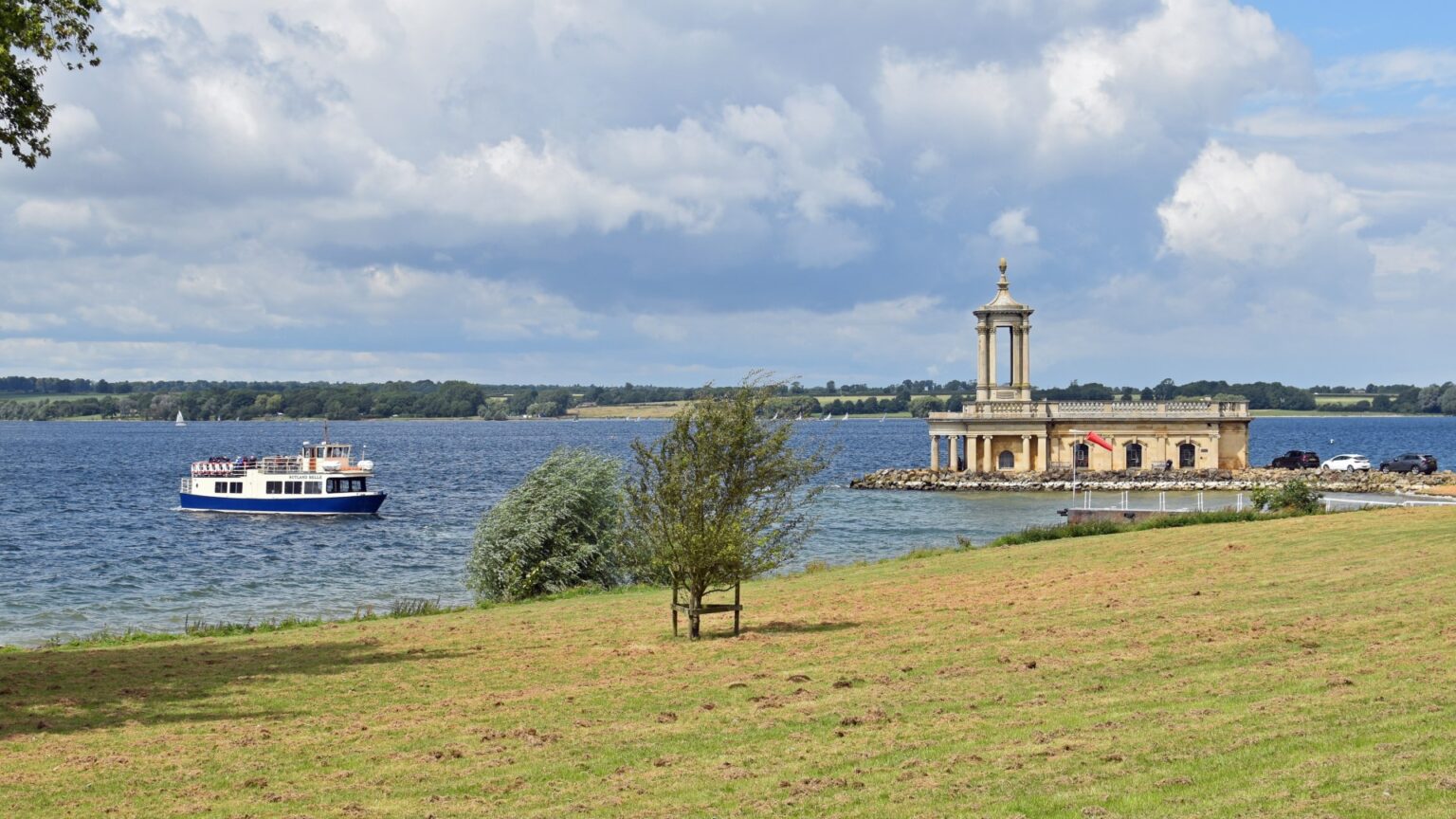
Rutland survived as a county for centuries until it became part of Leicestershire in 1974 Credit: Getty
More than 7,000 people have signed a Save Rutland petition opposing the plans.
Ms Kearns said residents had been “ignored and dismissed” by the Government and that residents of the county were having their “identity stripped from us by bureaucrats in Whitehall”.
She warned: “Unless the Government acts, Rutland will lose its ceremonial county status.
“The signs will come down and an identity that has endured for centuries will be erased at the stroke of a bureaucrat’s pen.”
Despite the announcement, Ms Kearns insisted she was “not done fighting”.
Rutland County Council had instead backed proposals for three unitary authorities across the region alongside seven district councils that are also due to be scrapped.
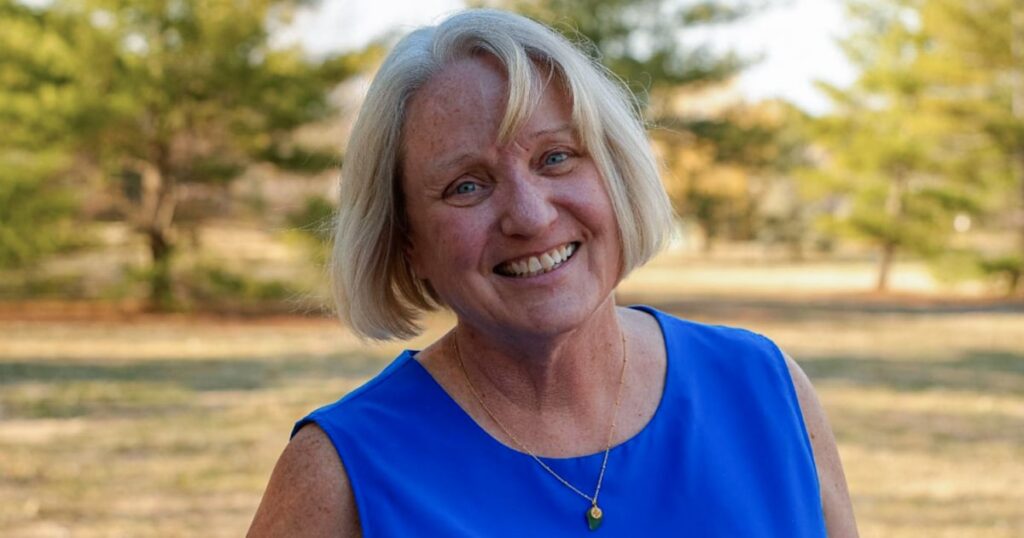
Liberal Democrat council leader Christine Wise said: “I think most people in Rutland would have preferred to be left alone.
“We are a very effective and efficient unitary council already.”
She added Rutlanders would “absolutely work” to preserve their unique identity despite the reorganisation.
The proposals have also been criticised by council leaders elsewhere.
Sean Matthews, chairman-elect of the County Councils Network, warned: “With unprecedented levels of splitting services and boundary change, this approach will inevitably end up costing local taxpayers more while causing greater fragmentation and upheaval to services for the most vulnerable.”
Several counties, including Devon, Hertfordshire, Lancashire and Lincolnshire, will be divided into four authorities under the plans, while Oxfordshire will be split into three.
Another eight county councils will also be divided into two.
Rutland survived as a county for centuries until it became part of Leicestershire in Edward Heath’s controversial reforms of 1974.
Following a public campaign, Rutland was reborn in 1995 as a unitary authority – but it is now set to be scrapped again.
Shadow Local Government Secretary Sir James Cleverly accused Labour of drawing politically motivated boundaries.
He said: “The maps speak for themselves: these top-down changes are purely partisan.
“If he wanted accusations of gerrymandering to be put aside, why on earth did he create such a clearly gerrymandered set of boundaries?”
Mr Reed rejected the claim, insisting the “majority of proposals” had secured cross-party support.