

WOMEN with polyendocrine metabolic ovarian syndrome (PMOS) face a four times higher risk of heart disease than those without the condition, a study has suggested.
Previously named polycystic ovary syndrome (PCOS), the condition affects an estimated 4.25 million women in the UK.
Women with PMOS face a four times higher risk of heart disease than those without the condition, according to a study Credit: Getty
PMOS was only recently renamed from PCOS to try and improve diagnosis of the condition Credit: Getty
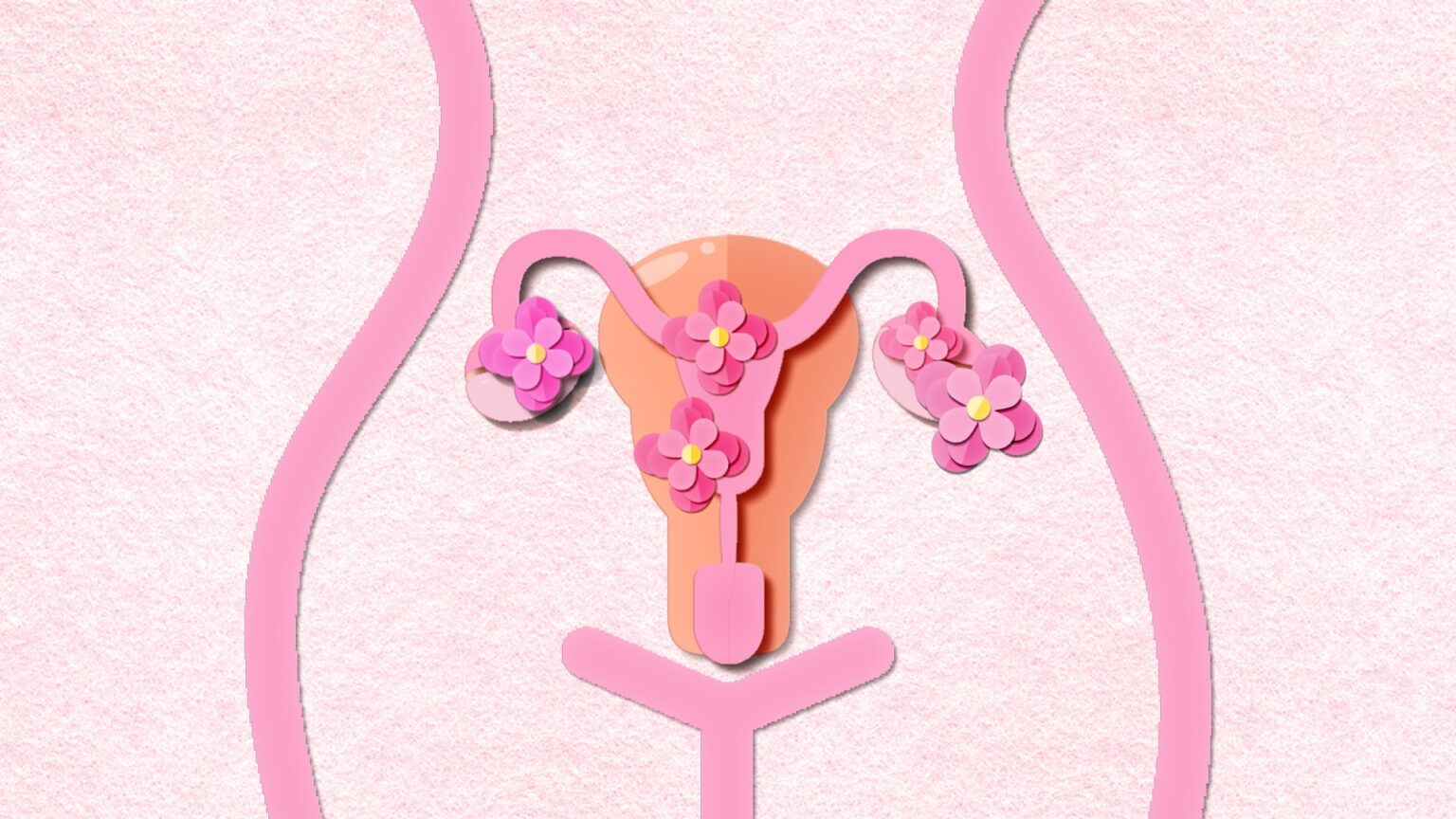
PMOS is characterised by fluctuations in hormones, which can impact weight, the skin, hair growth, mental health and the reproductive system.
But now, a new study published in The Lancet, Obstetrics, Gynaecology & Women’s Health has suggested that those with the condition are four times more at risk of cardiovascular disease than women without PMOS.
Sign up for the Health newsletter
Thank you!
Cardiovascular disease is the name for a group of conditions that affect your heart and blood vessels, with symptoms including having chest pain, a heart attack or stroke.
It is often caused by a build-up of fat in the arteries, making it hard for blood to flow through your body and possibly leading to a blood clot.
OVARY AGONY
From carb cravings to spots on your jawline, 8 signs of PMOS you didn’t know
IN THE KNOW
What is PCOS and does polycystic ovary syndrome make you gain weight?
Cardiovascular disease is the name for a group of conditions that affect your heart and blood vessel Credit: Getty
The condition was renamed to PMOS in May following calls from experts across the globe, who said there was too much of a focus on ovaries and not on the other issues women faced.
This, they said, had contributed to missed diagnoses and inadequate treatment.
In this new study, research led by the University of Rochester in New York assessed health insurance data in the US between 2000 and 2022 from more than 413,000 patients aged between 18 and 50 years old with PMOS.
They found that although the incidence of heart disease increases with “natural ageing”, this appears to be exacerbated in women with PMOS.
This was true even after accounting for obesity and other heart disease risk factors, such as high blood pressure, high cholesterol and diabetes, the study found.
The findings underscore the importance of early heart health screening for people with PMOS, study authors said, as well as preventative measures such as weight management, healthy eating and regular physical activity to help reduce risk over time, they added.
“Our results emphasise the need for physician education and patient awareness of cardiovascular disease risk to improve implementation of early preventive interventions,” researchers said.
The team also called for further studies to track women through menopause as well as research to explore if treatments such as GLP-1 drugs or hormonal contraception effect the link between PMOS and heart disease.
PMOS has no cure, but treatments and lifestyle changes can help women manage the condition.
It can cause irregular or absent periods and infertility – so many women only discover they have it when they’re struggling to get pregnant.
According to the NHS, the condition is related to abnormal hormone levels in the body, including high levels of insulin, the hormone that controls sugar levels in the body.
This in turn can lead to an increase in other hormones, such as testosterone.
Acne is one of the common signs of PMOS Credit: Getty
PMOS symptoms usually start in girls and young women under the age of 18 – when they go through puberty – and continue until menopause.
Here are the eight signs of the hormone condition that you may not know about
Weight gain or difficulty losing weight – PMOS can cause some sufferers to develop insulin resistance, which means the body struggles to use it as effectively as it should
Acne – high levels of androgens (‘male’ hormones) can cause increased oil production in the skin, resulting in acne on the jawline, chin, upper neck, back and chest
Painful periods, with pain around the ovaries – it’s not just irregular periods that women with PMOS have to grapple with
Skin tags and patches – these are small lumps of skin around your neck, under your arms or along your bra line that are associated with insulin resistance
Low libido – this is quite common in women with PMOS, but many people don’t talk about it
Excess hair growth – people with PMOS may notice hair around the jaw, top lip, chest, back, bottom and stomach
Mood changes – research has found that women with the condition are three times more likely to have symptoms of depression, compared to those who don’t have PMOS
Sleep issues – PMOS is associated with difficulty falling and/or staying asleep, as well as sleep apnoea
It comes as health officials announced earlier this month that millions of women with the condition will be offered yearly checks on the NHS.
The National Institute for Health and Care Excellence (NICE) said people who have already been diagnosed with PMOS should be seen each year to monitor symptoms and treatment and manage long-term health risks.
And all women with irregular or absent periods and signs of excessive levels of male hormones should be investigated for PMOS, it added.