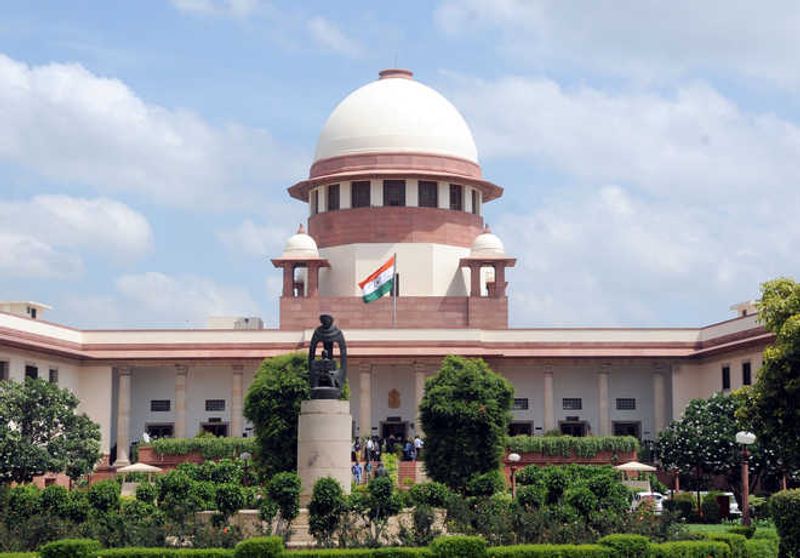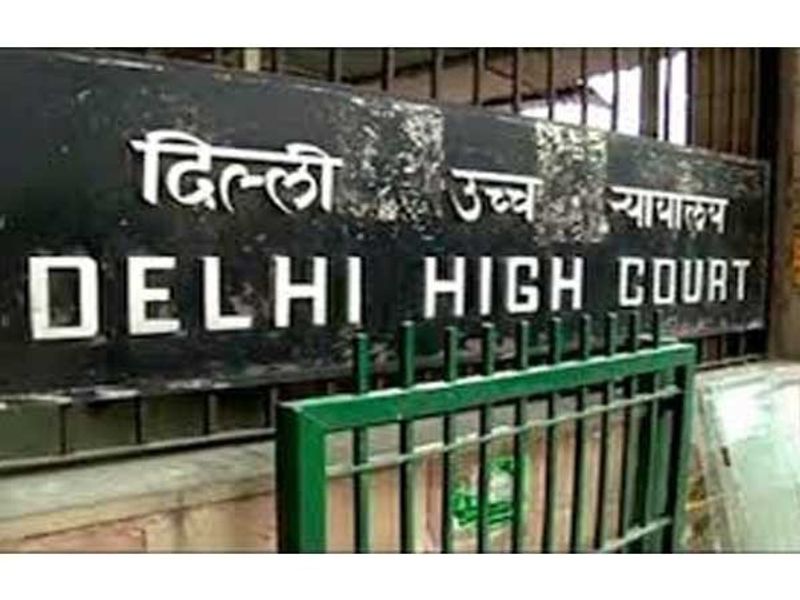

The Delhi High Court (HC) on Friday refused to entertain a Public Interest Litigation (PIL) seeking a National Investigation Agency (NIA) probe into the July 20 “Sansad Chalo” protest over the NEET paper leak, holding that only the Centre is empowered to invoke the anti-terror agency under the law.The petition had alleged that the agitation was part of a larger conspiracy involving foreign-funded organisations and political actors.A Division Bench of Chief Justice DK Upadhyaya and Justice Tejas Karia made it clear that the court could not substitute its satisfaction for that of the Centre under Section 6 of the National Investigation Agency Act, 2008, while deciding whether the NIA should investigate a case.The Bench questioned the very basis of the plea, observing that the NIA is an investigating agency and not an inquiry body. It asked the petitioner to explain how the court could direct an inquiry by the NIA when the statutory mechanism requires the registration of an FIR and a decision by the Centre before the agency can be brought into the picture.The judges observed that the law prescribes a clear procedure under Section 6 of the NIA Act, under which the officer concerned forwards the report to the State Government, which in turn sends it to the Centre for a decision on whether the case deserves investigation by the NIA.The court remarked that this satisfaction has to be recorded by the Centre and cannot be replaced by a judicial direction.Appearing for the petitioner, advocate Barun Kumar Sinha argued that the gravity of the allegations and “other relevant factors” under Section 6(3) justified the appointment of a specialised agency, whether the NIA or a Special Investigation Team (SIT), to uncover the larger conspiracy behind the protest.The Bench, however, remained unconvinced, observing that the court could not order an NIA investigation merely based on allegations or media reports.It also declined to rely on photographs and videos placed on record, saying the legal issue before it was confined to whether such a direction could be issued under the statutory framework.When the petitioner claimed that public movement had been disrupted, roads blocked, Metro services affected and fundamental rights violated during the protest, the court said it was not commenting on the factual allegations and that the competent authorities were already seized of the matter.It noted that FIRs had been registered and the statutory process was available to deal with the case.Solicitor General Tushar Mehta, appearing for the Centre, urged the court to issue notice, saying the matter involved questions of public law and that the authorities could place the complete factual picture before the Bench.The court, however, observed that it was not curtailing the powers of the Central Government, which remained free to invoke the NIA if it found the case fit under the law.The Bench also observed that while courts could order a CBI investigation in appropriate cases after assessing the progress of the primary investigation, that stage had not arisen in the present matter.Faced with the court’s repeated observations on the legal framework governing NIA investigations, the petitioner ultimately withdrew the PIL.The petition, filed by Satish Kumar Aggarwal, former vice-president of the Akhil Bharat Hindu Mahasabha, alleged that what began as a protest over the alleged NEET paper leak was transformed into a political agitation through the involvement of foreign-funded organisations and political actors.It further alleged violence, obstruction of public movement, attacks on journalists, damage to public and private property, attempts to breach Parliament security and injuries to police personnel during the July 20 march.