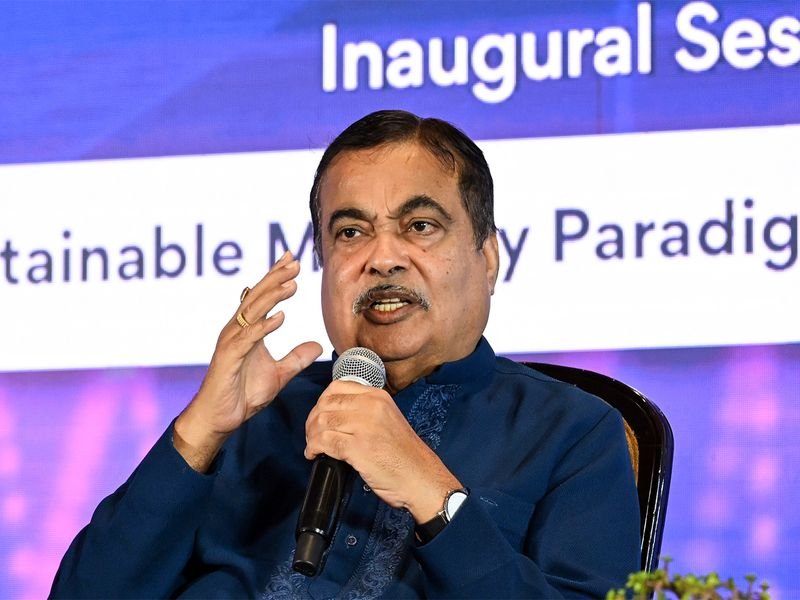

The government on Wednesday said only BS-III vehicles introduced from April 1, 2005, and manufactured before 2016 might require replacement of certain rubber components and gaskets when operated on 20 per cent ethanol-blended petrol (E20).In a written reply to a question in the Rajya Sabha, Union Minister for Road Transport and Highways Nitin Gadkari said, “The replacement can be easily managed during the routine servicing of the vehicle.”He said a joint study by several agencies found that the use of E20 fuel did not require modifications to car and two-wheeler engines. The study evaluated the impact of E20 ethanol-blended petrol on two-wheelers and four-wheelers and found that vehicle exhaust emissions complied with the prescribed standards. BS-VI vehicles continued to meet BS-VI emission norms when tested with E20 fuel, he said.“These studies confirmed that even legacy vehicles did not exhibit any significant variation in performance or abnormal wear and tear when operated on E20 fuel,” Gadkari said.Addressing concerns over possible mileage reduction due to E20 fuel, Gadkari said automobile manufacturers and vehicle testing agencies had clarified that fuel type was only one of several factors affecting mileage. Other factors included driving habits, maintenance practices such as timely oil changes and air filter replacement, tyre pressure and wheel alignment, and the use of air conditioning, he added.The government said the Ethanol-Blended Petrol (EBP) Programme had been implemented through a phased, calibrated and scientifically validated approach. It noted that ethanol blending in petrol had been adopted globally for more than a century, with countries such as Brazil using higher ethanol blends for several decades.In India, the programme began with a pilot project in 2001, followed by the introduction of E5 blending in 2006. The blending level, which stood at around 1.53 per cent in 2013-14, had increased gradually after the required production capacity, infrastructure and regulatory framework were put in place.Before introducing E20 petrol, the government said extensive laboratory studies, durability trials and field validations were conducted to assess engine durability, material compatibility, fuel system performance, corrosion resistance, drivability, emissions, fuel economy and overall vehicle performance.According to official data, average ethanol blending in petrol increased steadily to around 12 per cent in 2022-23, 14.6 per cent in 2023-24, 19.2 per cent in 2024-25 and 20 per cent in 2025-26.Gadkari said according to information received from the Society of Indian Automobile Manufacturers (SIAM), “no widespread issues of engine failure or vehicle breakdown attributable to ethanol blending have been reported. Certain concerns relating to engine performance, mileage and vehicle wear have been raised largely through public commentary and social media discourse”.