

WHILE we battle through heatwaves by jumping into paddling pools and stocking up on ice lollies, the country’s wildlife has no such luxury.
As our gardens bake, experts warn that birds, hedgehogs and other wildlife are being left exhausted, dehydrated and struggling to find food.
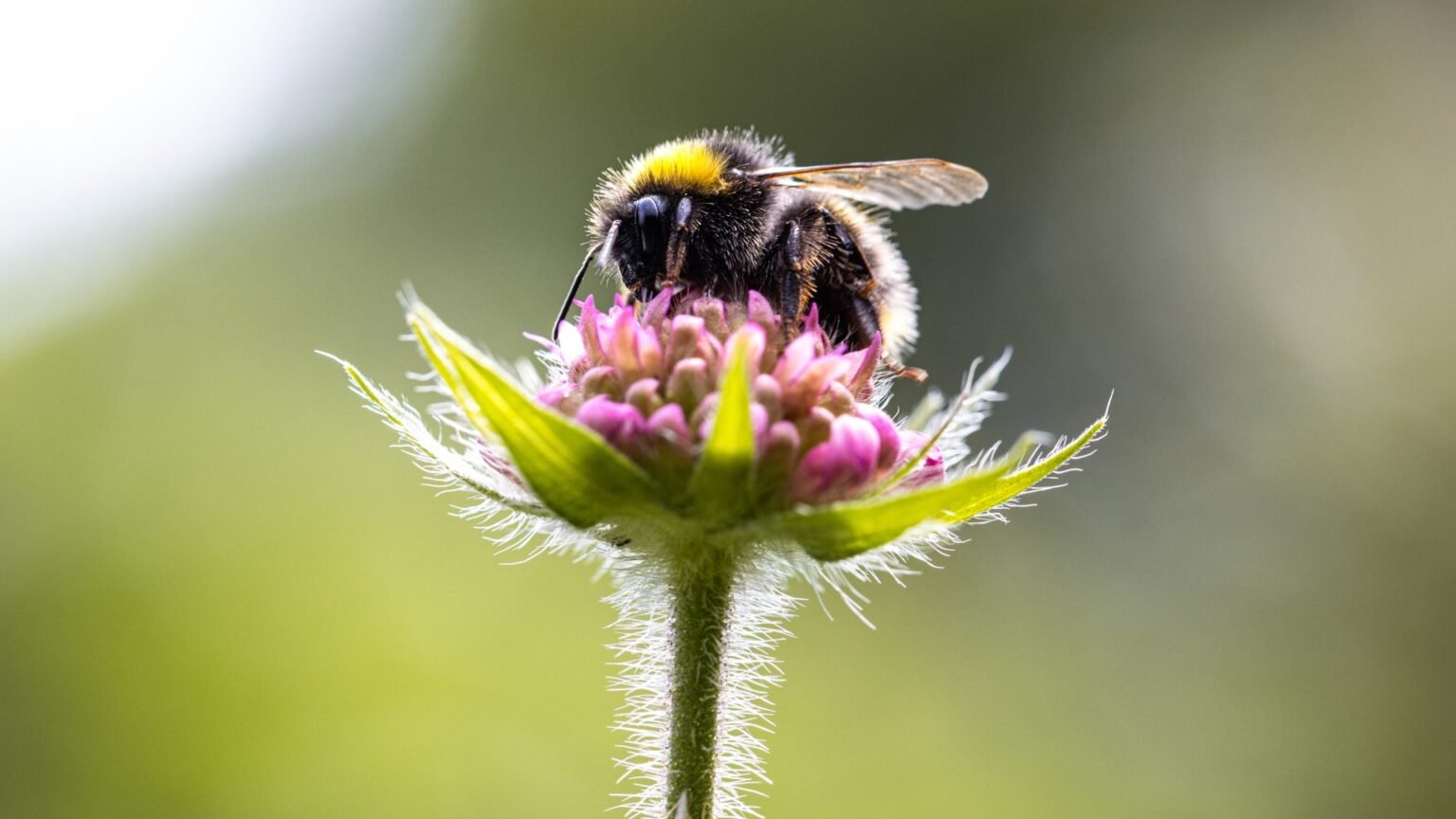
Bees and other creatures all need access to fresh water to stay hydrated Credit: SolStock
If you see small frogs emerging from a pond on to concrete, there is a risk of them sticking and it’s best to usher them back Credit: Getty Images/imageBROKER RF
The RSPCA says that rescue centres are “fit to bursting” and it is facing a growing hedgehog crisis after seeing a sharp rise in admissions so far this summer.
In June alone, shortly after the first heatwave of 2026 hit, more than 315 hedgehogs were treated at the charity’s four wildlife centres – that is up 56 per cent from the same month last year.
Sign up for The Jattvibe newsletter
Thank you!
Experts say making a few simple changes in your garden can provide a vital lifeline to Britain’s wildlife. From leaving out fresh water to resisting the urge to mow every inch of lawn, we reveal how you can help.
SPOT THE WARNING SIGNS: If you see a hedgehog out and about during the day, you may think it’s really cute — but it could actually be a cry for help.
SPE-SHELL SURVIVOR
Baby tortoise found alive after devastating fire killed animals at zoo
TRAGIC MUM
Animal lover mum, 75, run over & killed by own car when she got out to save cat
Rebecca Machin, scientific and policy officer at RSPCA Wildlife, says: “People need to be aware of the warning signs that animals might be in danger.
“If you see hedgehogs out in the day, that is unusual in itself but if they are staggering, they may need help. It’s the same if you see a bird panting.”
Rebecca reveals there are lots of things people can do to give wild animals a helping hand.
“If a bee is exhausted and can’t move, you can help by putting them back on to a flower,” she explains.
“Or, if you see small frogs emerging from a pond on to concrete, there is a risk of them sticking, so usher them back in.”
FOOD FOR THOUGHT: Just like humans, animals get thirsty in hot weather but sustenance is often harder to come by.
Forget fancy feeders, though — you might already have the perfect wildlife treat sitting in your cupboard.
After one of the driest summers on record, many animals are struggling to dig worms — their primary source of food — out of the hard soil.
The RSPCA is facing a growing hedgehog crisis after seeing a sharp rise in admissions so far this summer Credit: Getty Images
Regular wet cat or dog food can be great for badgers Credit: Alamy
But pet food makes an excellent substitute.
Rebecca says: “Regular wet cat or dog food can be great for badgers and hedgehogs, but make sure you leave it out at night so the neighbors’ pets don’t steal it.”
DOWN TOOLS: Leaving your lawnmower in the shed could be the key to helping wildlife this summer.
Beccy Speight, chief executive of the RSPB, says: “From birds taking refuge in hedges and dense shrubs, to longer grass giving butterflies and insects shelter from the heat, overgrown areas in the garden can provide respite.
Letting the lawn grow a little longer or allowing leaf piles to build up will also provide invertebrates and amphibians with cool, damp areas.”
Experts also recommend creating some shady areas with pebbles or logs in the corner of your garden.
DRINK IT IN: As temperatures soar, we won’t be the only ones searching for the nearest watering hole this summer.
Birds, hedgehogs, bees and butterflies all need access to fresh water to stay hydrated.
Beccy says: “Providing clean water for drinking and bathing all year round is one of the simplest ways to help garden wildlife.
“During the summer, it’s even more of a lifeline, especially with the heatwaves and the likelihood of more dry weather ahead.”
It is not as simple as sticking a bowl of water out in the garden, though.
Beccy explains: “People are being encouraged to provide clean water in a bird bath, pond or shallow dish.
“Adding a few stones around the edge can help butterflies and insects perch safely while drinking, while also making it easier for species such as hedgehogs, frogs and toads to access the water.
“However, hygiene is essential.
“Bird baths should be emptied and refilled daily and cleaned and disinfected every week to help prevent disease spreading between birds.”
DON’T SPARK TROUBLE: Experts warn that many animals’ natural habitats are in danger this summer after months of no significant rain.
Zoe Quiroz Cullen, head of climate and international policy at The Wildlife Trusts, says: “With many of our landscapes already dry, there is a real risk of wildfire across the UK.
“Remember to clear away all your rubbish, leave your barbecue at home in favour of packing a picnic, and carefully discard any cigarette butts to avoid starting an accidental fire.”