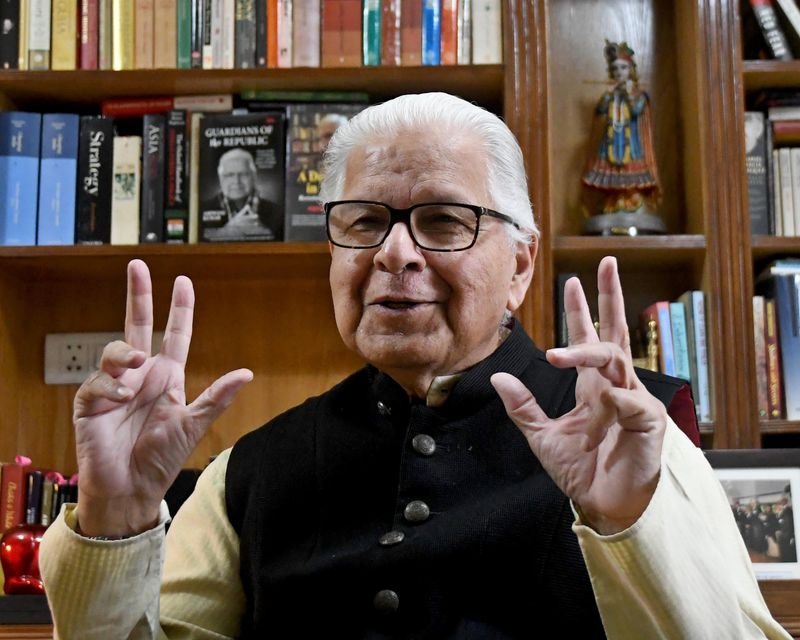

The Supreme Court’s decisive and merited vindication of Dr Manmohan Singh in an utterly untenable criminal prosecution is a vindication of truth, said Ashwani Kumar, a Senior Advocate of the Supreme Court and former Union Minister for Law and Justice.The remarks came after the top court exonerated the former Prime Minister in a coal block allocation scam case on Wednesday, 19 months after his death.Kumar said, “While the order of the highest constitutional court is an affirmation of judicial justice, the case raises profoundly important questions about the processes of the criminal justice system in the country.”He further said the media trial of former PM Manmohan Singh, who was known for his impeccable integrity, during his life time had caused incalculable damage to his reputation and dignity, for which there could be no recompense whatsoever.The former minister said, “The process of criminal prosecution was itself a punishment, the stark cruelty of which was now apparent after his exoneration by the Supreme Court. That Dr Singh did not live to see his name cleared is a sad commentary on the system, in which a person is condemned before a conclusive finding of guilt and has no meaningful recourse against unjust allegations.”He stressed that although these concerns had been expressed from time to time, they had not yielded the necessary correctives. The SC decision should trigger the necessary initiatives for the reform of the criminal justice system to ensure that the fundamental principle of criminal law that “a person is presumed to be innocent until proven guilty” is reinforced and media trials are effectively outlawed to protect the citizens’ fundamental right to reputation, privacy and dignity, he added.He further said, “These rights are sacrosanct constitutional rights and cannot be compromised in a democracy governed by the rule of law. The political, legislative and judicial processes must converge to ensure that these rights are not compromised through reckless allegations. The court’s order would have then served its larger constitutional purpose,” he added.