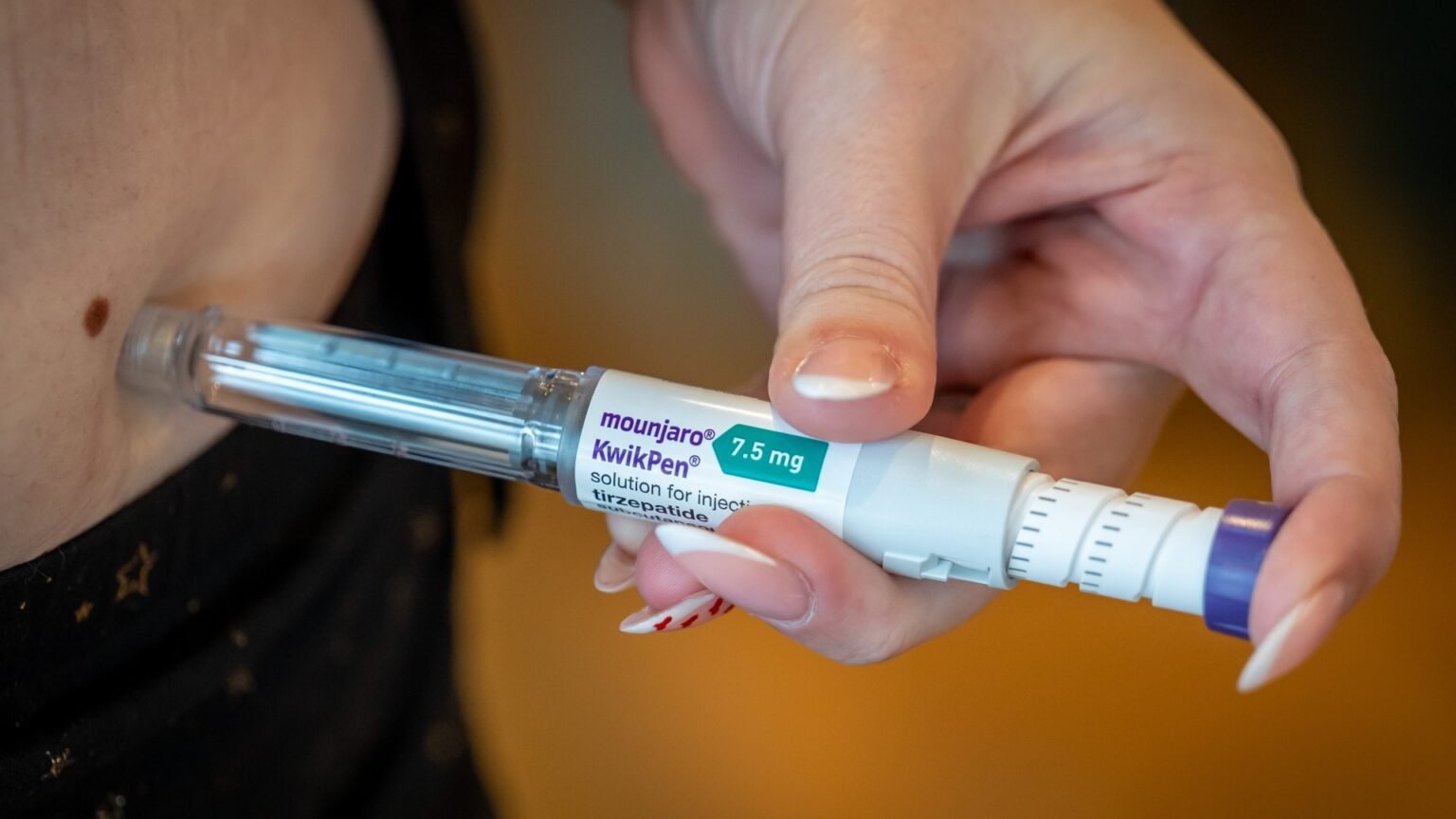


WEIGHT loss jab Mounjaro could slash the risk of life-threatening heart attacks, a study suggests.
Tirzepatide, the powerful ingredient behind Mounjaro, has long been been hailed a monumental breakthrough in the war on obesity and type 2 diabetes.
In the study, scientists at Harvard University in Boston tracked almost 53,000 people Credit: Getty
Now, US researchers have found that those taking the jab were 33 per cent less likely to have a heart attack when compared to patients on another type 2 diabetes drug.
Previous studies have suggested that semaglutide, the ingredient behind Wegovy and Ozempic, can lower the risk of serious heart problems, regardless of how much weight patients lose.
Sign up for the Health newsletter
Thank you!
But, this is the first time evidence also suggests Mounjaro jabs may have the same effect.
In the study, scientists at Harvard University in Boston tracked almost 53,000 people with type 2 diabetes and heart disease who had started on Mounjaro or sitagliptin, another diabetes drug.
JAB NATION
Britain’s fat jab boom revealed as NHS dishes out a prescription every 7 seconds
CHICKEN OUT
‘Natural fat jab’ diet with LOW protein & supplement turbocharges weight loss
They analysed major adverse cardiovascular events (Mace) – which includes heart attacks, strokes and death from any cause – among the two groups.
After a year, the risk of Mace was 2.9 per cent among those on Mounjaro compared to 4.4 per cent in the sitagliptin group.
Researchers estimate that this is the equivalent of preventing one case per every 70 people.
Mounjaro slashed the risk of heart attacks by a third, although there was no meaningful difference found in cases of stroke.
However, Mounjaro did lower cases of hospital admissions due to infections, the analysis found.
One hospital admission was prevented for every 48 patients, according to researchers.
What are the side effects of weight loss jabs?
Like any medication, weight loss jabs can have side effects.
Common side effects of injections include:
Nausea: This is the most commonly reported side effect, especially when first starting the medication. It often decreases over time as your body adjusts.
Vomiting: Can occur, often in conjunction with nausea.
Diarrhea: Some people experience gastrointestinal upset.
Constipation: Some individuals may also experience constipation.
Stomach pain or discomfort: Some people may experience abdominal pain or discomfort.
Reduced appetite: This is often a desired effect for people using Ozempic for weight loss.
Indigestion: Can cause a feeling of bloating or discomfort after eating.
Serious side effects can also include:
Pancreatitis: In rare cases, weight loss jabs may increase the risk of inflammation of the pancreas, known as pancreatitis, which can cause severe stomach pain, nausea, and vomiting.
Kidney problems: There have been reports of kidney issues, including kidney failure, though this is uncommon.
Thyroid tumors: There’s a potential increased risk of thyroid cancer, although this risk is based on animal studies. It is not confirmed in humans, but people with a history of thyroid cancer should avoid Ozempic.
Vision problems: Rapid changes in blood sugar levels may affect vision, and some people have reported blurry vision when taking Ozempic.
Hypoglycemia (low blood sugar): Especially if used with other medications like sulfonylureas or insulin.
It also prevented one death from any cause for every 122 patients.
Writing in the journal The BMJ, the researchers said: “This study shows how trial-anchored evidence from clinical practice can estimate the expected cardiovascular benefit of initiating tirzepatide beyond standard background treatment and inform shared decision making.”
Already an estimated four million people are taking weight loss jabs in the UK, but the vast majority are paying for them privately.
It means one in every 14 is trying the injections or has done in the past, according to a poll by the Food Foundation.
Currently, GPs are able to prescribe Mounjaro for weight loss for patients whose weight places them at the greatest health risk.
Those with a body mass index (BMI) of 40 or higher (or 37.5 if from a minority ethnic background) and four weight-related health conditions are eligible.
Among the weight-related conditions that someone needs four of are high cholesterol, high blood pressure, prediabetes, type 2 diabetes, obstructive sleep apnoea and heart disease.
Around eight million Britons have heart disease, which kills approximately 170,000 people per year making it a leading cause of death.
The British Heart Foundation estimates heart disease costs the economy £25billion a year.