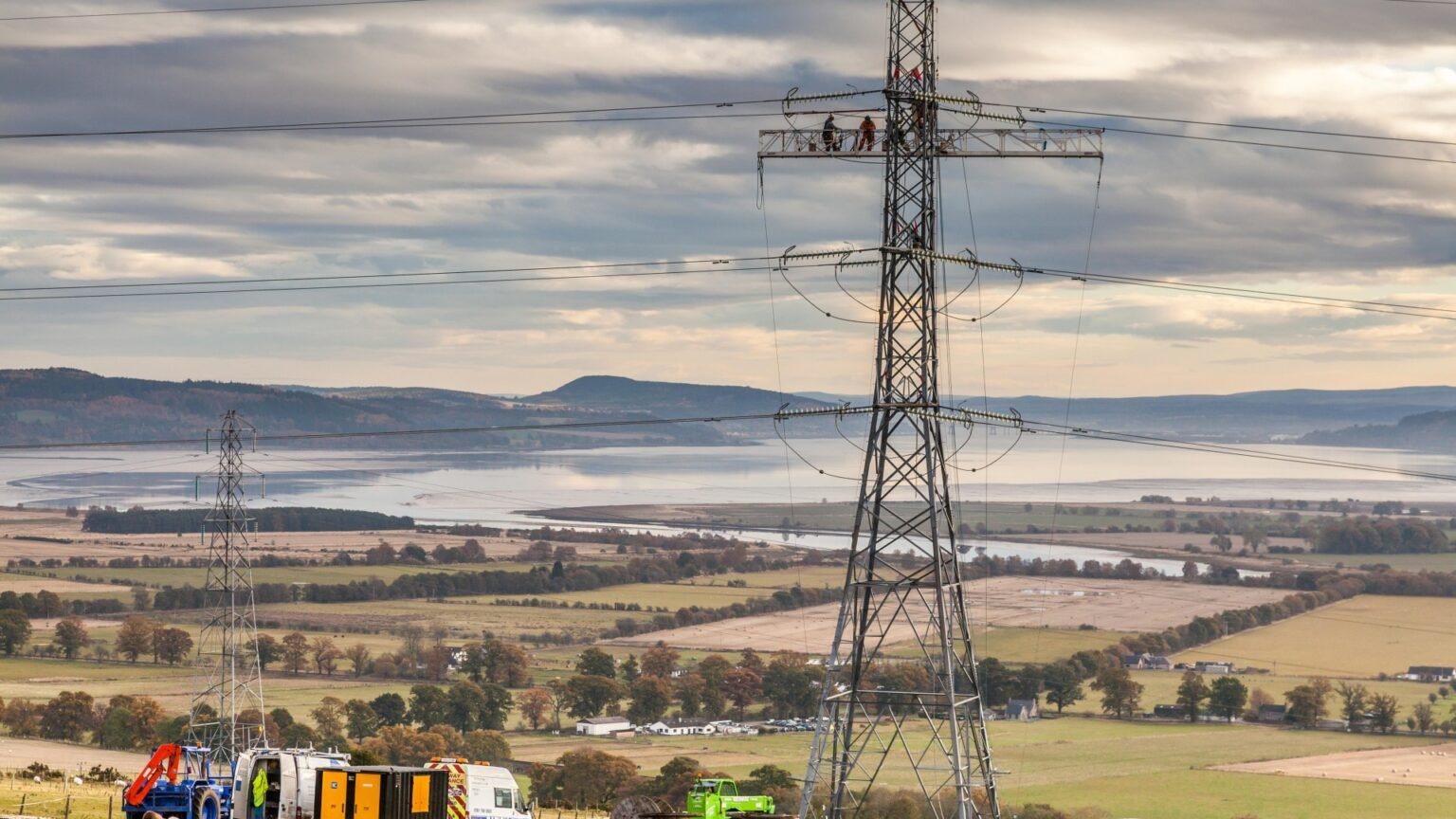


MILLIONS of Brits could be plunged into darkness under a controversial shake-up of Britain’s power grid, energy chiefs have warned.
The National Energy System Operator (NESO), which is responsible for keeping Britain’s lights on, wants to run the network with a much thinner safety cushion.
Known as “inertia”, this invisible buffer helps stop the grid crashing when a power station suddenly fails.
It gives engineers vital seconds to react before a fault spirals into a widespread blackout.
Sign up for the Money newsletter
Thank you!
Neso reckons slashing this safety margin could save households £96million a year and help ministers hit their controversial 2030 clean power pledge.
But industry experts fear it could leave Britain exposed to the kind of chaos suffered by Spain and Portugal when more than 50million people lost electricity.
WAR ON DRIVERS
Councils claw back Government’s Summer Savings with £30 seaside parking fee
BILL HELP
Millions to save £170 a year in crackdown on ‘sneaky’ subscription traps
Energy consultant Kathryn Porter warned that the move is incredibly risky, noting that regulators seem so focused on delivering net zero goals that they have forgotten the need to get the basics right.
She said: “The lower the inertia, the less able the grid is to withstand faults.
“A lower inertia level could combine with the other risks to the grid with disastrous effects, and we might be the ones that suffer if it all goes wrong.”
Inertia describes how huge turbines in gas and nuclear power stations keep spinning briefly if a fault hits.
This stored energy steadies the grid and buys controllers a few vital seconds to step in before a localised problem spirals into a total blackout.
Because wind farms and solar panels do not naturally provide this same physical spinning protection, Britain’s growing reliance on renewable energy is making the grid increasingly difficult to manage.
Power industry bosses are terrified that shrinking this grace period is a recipe for disaster.
Power industry bosses have also warned that shrinking this grace period is a recipe for disaster.
Drax, which runs Britain’s biggest power station, said it could “compromise safety and reliability”.
The firm said the proposed savings would be “immaterial compared to potential costs of system failure”.
Nuclear giant EDF also warned that the economic damage caused by a blackout would be “far greater than any stated saving”.
One whistleblower told The Times that the move amounted to a “massive gamble” and “truly insane risk-taking”.
These technical anxieties are compounded by severe operational concerns behind the scenes.
Porter claimed that Neso is attempting to manage this complex transition while relying on ageing software dating back to the 1980s.
She revealed that a recent system failure forced engineers to manually manage thousands of power stations and batteries using simple spreadsheets and telephone instructions.
She further alleged that poor oversight has allowed hundreds of wind farms to have their electricity meters installed backwards.
The latest row comes just weeks after a sudden drop in power supplies on June 23, which whistleblowers claim left Britain at risk of blackouts.
A Neso spokesman insisted keeping Britain’s lights on remained its “highest priority” and said the changes would “maintain system security while delivering significant savings for consumers”.
A Government spokesman said Britain has “one of the most reliable electricity systems in the world” and insisted ministers were “very confident” the grid operator had the tools needed to keep the power flowing.