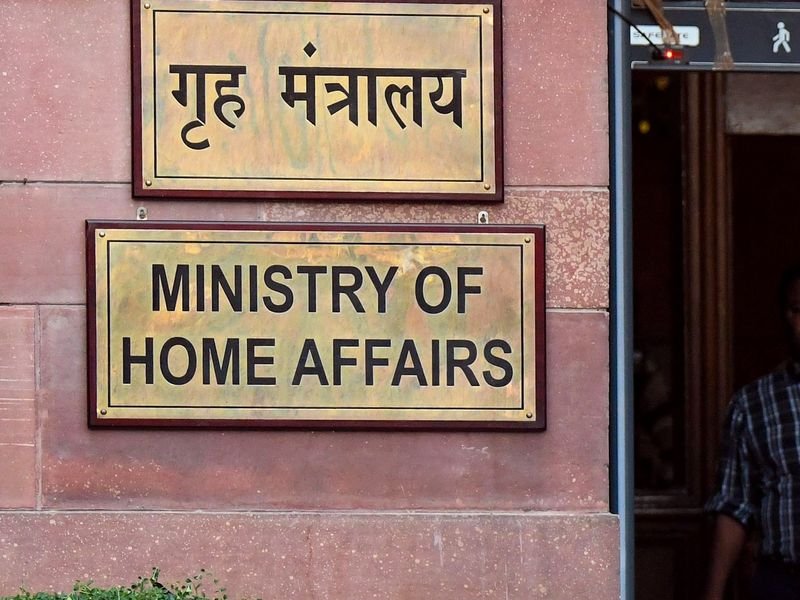

New Delhi [India], August 10 (ANI): Enabling e-visa-holder foreigners to enter India, the Ministry of Home Affairs (MHA) notified 11 more international ports this year, taking the total number to 88.The newly added 11 international ports include nine land ports (Agartala, Darranga, Gede, Ghojadanga, Haridaspur, Jaigaon, Dawki, Moreh and Attari) and two airports (Bhopal and Tirupati).The addition of these 11 international ports further enhances the attractiveness and utility of electronic visas, said the MHA, adding, “India provides approximately 95 per cent of e-visa applications in less than 72 hours.”These newly added international ports were notified on different occasions from January 1, 2026, to date. With the latest addition, the total number of international ports enabling entry of e-visa-holder foreigners has increased to 88, including 37 airports, 38 seaports and 13 land ports.Ahmedabad, Amritsar, Bagdogra, Bhogapuram, Bengaluru, Bhubaneswar, Calicut, Chandigarh, Chennai, Cochin, Coimbatore, Delhi, Gaya, Goa (Dabolim), Goa (Mopa), Guwahati, Hyderabad, Indore, Jaipur, Kannur, Kolkata, Lucknow, Madurai, Mangalore, Mumbai, Nagpur, Navi Mumbai, Port Blair, Pune, Surat, Thiruvananthapuram, Trichy, Varanasi, Vijayawada, Visakhapatnam, Bhopal and Tirupati are among the total 37 airports across India so far declared as international ports.The 38 designated seaports declared as international ports are Agatti, Alang, Bedi Bandar, Bhavnagar, Calicut, Chennai, Cochin, Cuddalore, Dahej, Dhamra, Haldia, Hazira, Kakinada, Ennore-Kamarajar, Kandla, Karaikal, Kattupalli, Kolkata, Kollam, Krishnapatnam, Mandvi, Mormugao, Mumbai, Mundra, Nagapattinam, New Mangalore, Nhava Sheva, Paradeep, Pipavav, Porbandar, Port Blair, Sikka, Tuna Tekra, Tuticorin, Vallarpadam, Visakhapatnam, Vizhinjam-Kovalam and Vizhinjam.Besides the newly added nine land ports designated as international ports, the others are Raxaul, Rupaidiha, Darranga and Jogbani.As per the MHA, significant initiatives have been taken in the last few years to liberalise, streamline and simplify the visa regime with a view to facilitating legitimate foreign travellers while simultaneously ramping up the technological infrastructure to enhance internal security.One significant step taken to liberalise and simplify the Indian visa regime, especially the tourist visa regime, is the introduction of the e-visa facility, the MHA further mentioned.It also said that the e-visa facility, with Electronic Travel Authorisation (ETA), was introduced in 2014 for nationals of 43 countries. This facility is presently available to nationals of 172 countries.India presently issues e-visas under 17 categories, including Tourist, Mountaineering, six Business Visa sub-categories (B-1 to B-6), four Medical Visa sub-categories (M-1 to M-4), two Student Visa sub-categories (S-1 and S-2), Transit, X-1 (Miscellaneous) and Group Visitor Visa (Cruise).It is pertinent to mention that India now issues roughly 78 per cent of visas as electronic visas. (ANI)(This content is sourced from a syndicated feed and is published as received. The Tribune assumes no responsibility or liability for its accuracy, completeness, or content.)