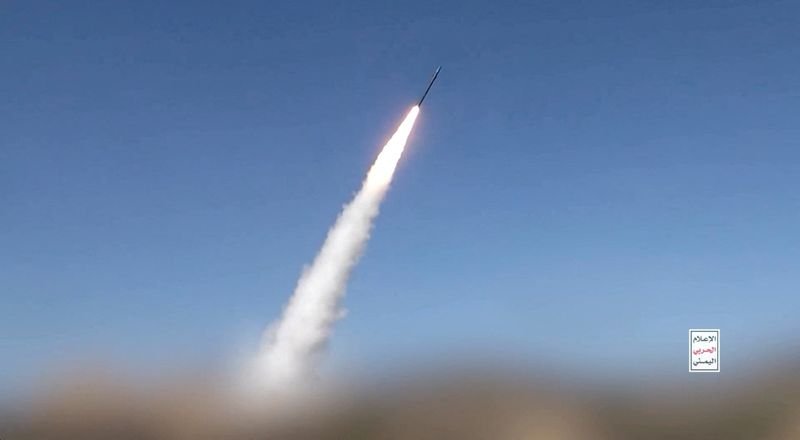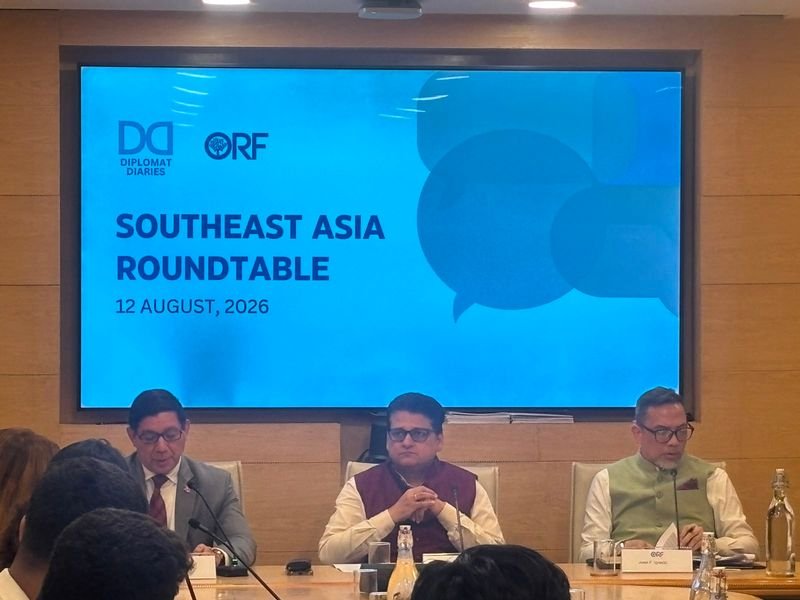

New Delhi [India], August 12 (ANI): The Philippines on Wednesday said deliveries of the BrahMos supersonic cruise missile systems acquired from India are progressing well, with Manila describing the weapon as a key source of “credible deterrence” as it strengthens its territorial defence amid tensions in the South China Sea.Philippines Ambassador to India Josel F Ignacio said the BrahMos deal has not only strengthened the Philippines’ defence capabilities but has also changed the way Manila views India as a defence partner.”The deliveries are ongoing, and we are very pleased with how the BrahMos project with India is going,” Ignacio said while speaking at an Observer Research Foundation (ORF) roundtable on Southeast Asia.Asked about reports that the Philippines is looking to acquire up to nine additional BrahMos batteries from India, Ignacio did not give a specific number or timeline, but indicated that Manila is keen to build on the cooperation.He said the BrahMos system is giving the Philippines “real credible deterrence” and fits into the country’s effort to strengthen its defences in the face of territorial challenges.”For us, the BrahMos acquisition supports the modernisation of our armed forces and bestows us credible deterrence as we improve our territorial defence posture,” Ignacio said.The envoy said the BrahMos project has also helped raise India’s standing within the Philippine defence establishment.”What the BrahMos project did is to raise the profile of India before the Philippines defence and military establishment as a credible and reliable source of quality defence equipment,” he said.Ignacio stressed that the partnership could eventually move beyond simply buying Indian defence equipment, with Manila interested in learning from India’s experience in developing an indigenous defence industry.”We’re not just talking about buying equipment from India, but even in fact going beyond that to perhaps cooperating with India… into creating a similar one in the Philippines, going by the Indian experience,” he said.The Philippines was India’s first foreign customer for the BrahMos missile system, and the deal has since emerged as one of the most visible examples of India’s growing defence engagement with Southeast Asia.On the wider India-Philippines relationship, Ignacio said Manila sees New Delhi as more than just a bilateral partner, describing India as a major ASEAN partner and a constructive force in the wider region.He said the two countries share “old civilizational links, shared democratic traditions, and a common commitment to an international order governed by law.”Trade, however, remains an area where both sides see considerable room for growth. Ignacio said India and the Philippines are working towards a preferential trade agreement that could expand market access and diversify the range of goods traded between the two countries.He noted that Indian companies already have a significant presence in the Philippines, particularly in IT, pharmaceuticals, infrastructure, and financial services.On the South China Sea, Ignacio said the Philippines continues to attach importance to India’s support for the 2016 arbitral award in the South China Sea arbitration case.”I have to say that as the Philippines, we very much value India’s support for the 2016 arbitral award in the South China Sea arbitration case,” he said, noting that the decision was handed down 10 years ago.Meanwhile, Timor-Leste Ambassador to India Karlito Nunes said Southeast Asia is particularly important for India given its Act East Policy and Indo-Pacific vision.Nunes said maritime security, especially in the South China Sea, remains among the major challenges for the region.For Southeast Asian countries, he said, the South China Sea is vital not just from a security perspective but also for trade, energy, fisheries, and connectivity.”India is an important partner for Timor-Leste, both bilaterally and in a broader view of Southeast Asia,” Nunes said.The comments came during an ORF Southeast Asia roundtable featuring the ambassadors of the Philippines and Timor-Leste, focusing on regional challenges and India’s expanding engagement with Southeast Asia. (ANI)(This content is sourced from a syndicated feed and is published as received. The Tribune assumes no responsibility or liability for its accuracy, completeness, or content.)