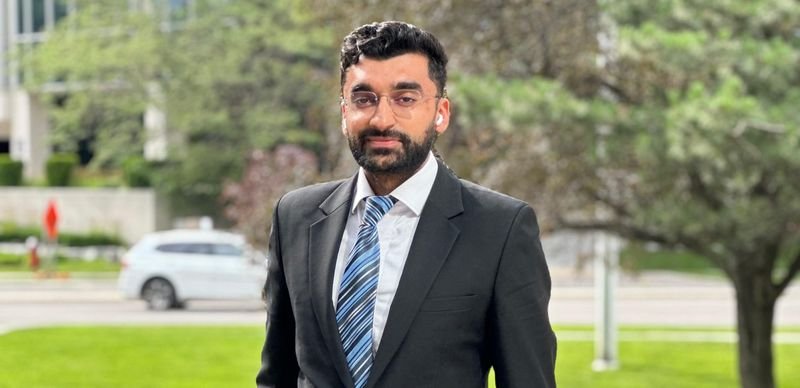

India’s foiling of an alleged ISIS-linked plot to develop the deadly toxin ricin assumes wider significance amid a fresh international warning that Al-Qaida and Islamic State (ISIS) networks are sustaining efforts to acquire the capability to develop chemical and biological weapons.The warning comes from the latest report of the UN Security Council’s Analytical Support and Sanctions Monitoring Team, which says the two groups have shown “a sustained interest” over several years in developing such weapons, although they have so far struggled to overcome the technical challenges involved.For India, the concern is not merely theoretical. In November 2025, the Gujarat Anti-Terrorism Squad arrested Hyderabad-based doctor Dr Syed Ahmed Mohiuddin along with two Uttar Pradesh-based associates in a case that investigators subsequently linked to an ISIS-directed bioterror conspiracy.The National Investigation Agency, which took over the case in January, chargesheeted the trio in May, alleging that they planned to use ricin for mass poisoning in public spaces. The agency said Mohiuddin had allegedly converted his Hyderabad residence into a clandestine laboratory for preparing the toxin and was working under the direction of a foreign-based ISIS handler.The case had initially come to light after Mohiuddin was intercepted at a toll plaza carrying illegal weapons, four litres of castor oil and other incriminating material. The two other accused were arrested the same day.The UN report now places the Indian case against a broader evolution in the terrorist threat. It notes that instructions for producing toxic agents are being circulated widely in online extremist communities. ISIL’s English-language Invade magazine, for instance, reportedly carried instructions on developing botulinum toxin and cyanide, while ISIL-K has shown particular interest in ricin.The Indian case is therefore significant because it represents the point at which online propaganda and technical instructions allegedly translated into an attempt to develop a biological toxin on the ground.The NIA has alleged that the three accused were also involved in recruiting vulnerable youths, handling terror funds and weapons, conducting reconnaissance and maintaining contact with foreign-based handlers.For Indian security agencies, the emerging challenge is consequently two-fold: preventing conventional terror attacks while also detecting attempts by ISIS and other jihadist networks to exploit scientific knowledge, medical expertise and easily accessible biological material for mass-casualty attacks.