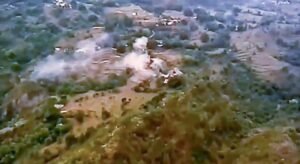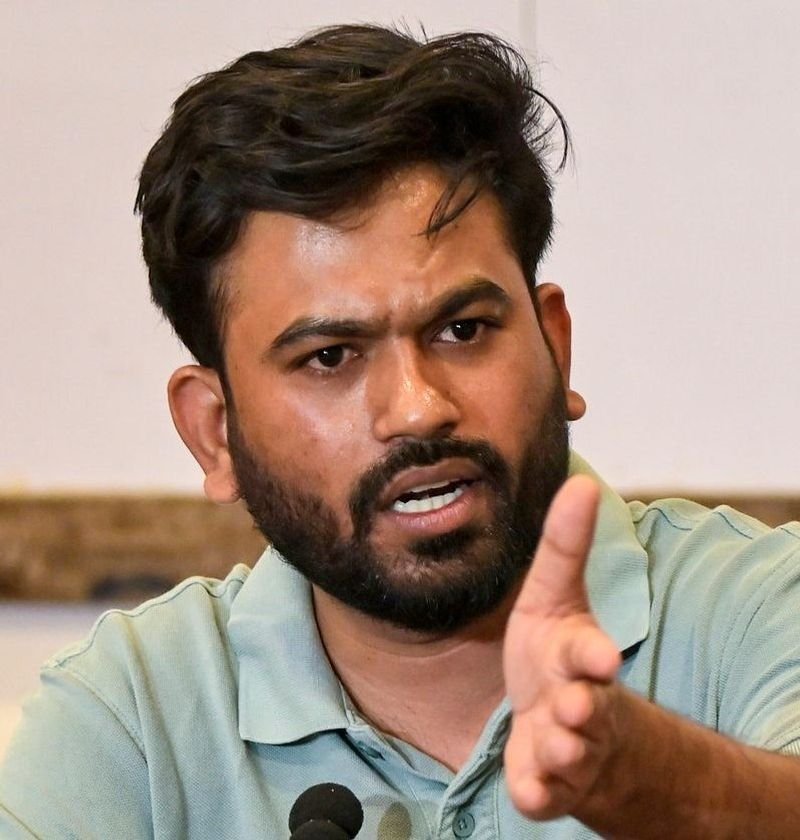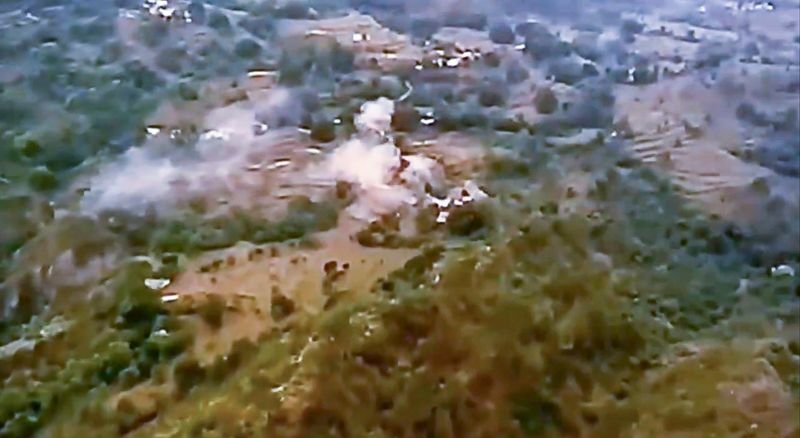

Balochistan [Pakistan], August 18 (ANI): Baloch activist Beerbal Baloch, in a message from Hada Jail in Quetta, has described the reported bombing of civilian areas in Sorab and Gwadar by Pakistani fighter jets as a grave escalation in what he termed a “continuous and systematic” campaign of violence against the Baloch population in Balochistan.According to Beerbal Baloch’s message, reports of civilian deaths, including women and children, in the bombing of a village in Sorab district raise serious questions about the nature and proportionality of the use of force by Pakistani security forces.Baloch said the incidents could not simply be dismissed as an accident, mistake or routine security operation, arguing that the reported use of fighter jets against populated areas warranted an independent examination of the circumstances, orders and decisions behind the attacks.He linked the recent incidents to longstanding allegations of enforced disappearances, extrajudicial killings, abductions of political activists, recovery of mutilated bodies and pressure on journalists, lawyers and political voices in Balochistan.”According to his message, when violence, enforced disappearances, fear, collective punishment and alleged targeting of civilian populations appear continuous and interconnected, they must be viewed collectively rather than as isolated security incidents,” Beerbal said in his message.The Baloch activist also invoked the legal definition of genocide under the 1948 Genocide Convention, stressing that genocide is not confined to any particular country or conflict. He pointed to acts including killing, causing serious physical or mental harm, and deliberately inflicting conditions of life calculated to bring about the physical destruction of a national, ethnic or religious group, while emphasising that intent remains a decisive element in determining genocide.According to Beerbal, the central question in the case of Balochistan is therefore whether the pattern of policies and actions over a prolonged period can establish such intent.He said the reported bombings in Sorab and Gwadar had made that question even more serious, particularly because of allegations that homes and civilian areas were struck at night.”If the state’s stated objective is an operation against an armed group, the question remains as to how the safety of ordinary civilians and their homes was ensured,” his message said.Beerbal argued that attacks affecting populated areas raise broader questions about civilian protection and compliance with applicable international humanitarian law. He called for the circumstances surrounding the reported incidents to be independently investigated rather than being explained solely through competing official narratives.Referring specifically to the reported civilian deaths in Gwadar, Beerbal said the incident would remain part of the collective memory of the Baloch people.He said the deaths of civilians, the suffering of families and the destruction of homes should not be allowed to disappear from public attention as a routine news event, calling for the facts surrounding the incident to be documented and preserved for future generations.”No Baloch can forget this pain, nor should they,” Beerbal said in his message, describing the reported deaths and destruction as part of a broader collective memory of the Baloch people.The activist further called on the international community, human rights organisations and international institutions to demand independent and transparent investigations into alleged violations in Balochistan and take measures aimed at protecting civilians.He criticised what he described as silence and double standards driven by diplomatic interests, arguing that principles concerning the prevention of genocide and protection of civilians should be applied irrespective of geography or political considerations.Beerbal also pointed to what he described as contradictory statements from Pakistan’s military spokesperson, the Director General of Inter-Services Public Relations (DG ISPR), and the Chief Minister of Balochistan following the reported bombing.According to his message, differing official accounts have created additional questions over what actually occurred and who was responsible for the decisions surrounding the operation.He argued that in incidents involving alleged civilian casualties, the state should provide a transparent account of events, establish the facts and respond to affected families rather than relying on competing narratives.Beerbal said that failure to provide clear answers would further undermine the credibility of state institutions among the Baloch population.Concluding his message from Hada Jail, Quetta, Beerbal said the reported incidents in Sorab and Gwadar should not be consigned to silence.He framed the issue as a question extending beyond Balochistan and asked whether the international community’s silence over alleged abuses against the Baloch people reflected ignorance, complicity or deliberate oversight.The allegations and characteristics contained in Beerbal Baloch’s message represent his position. Claims concerning the bombings, civilian casualties, military operations and official statements require independent verification and response from the relevant Pakistani authorities. (ANI)(This content is sourced from a syndicated feed and is published as received. The Tribune assumes no responsibility or liability for its accuracy, completeness, or content.)