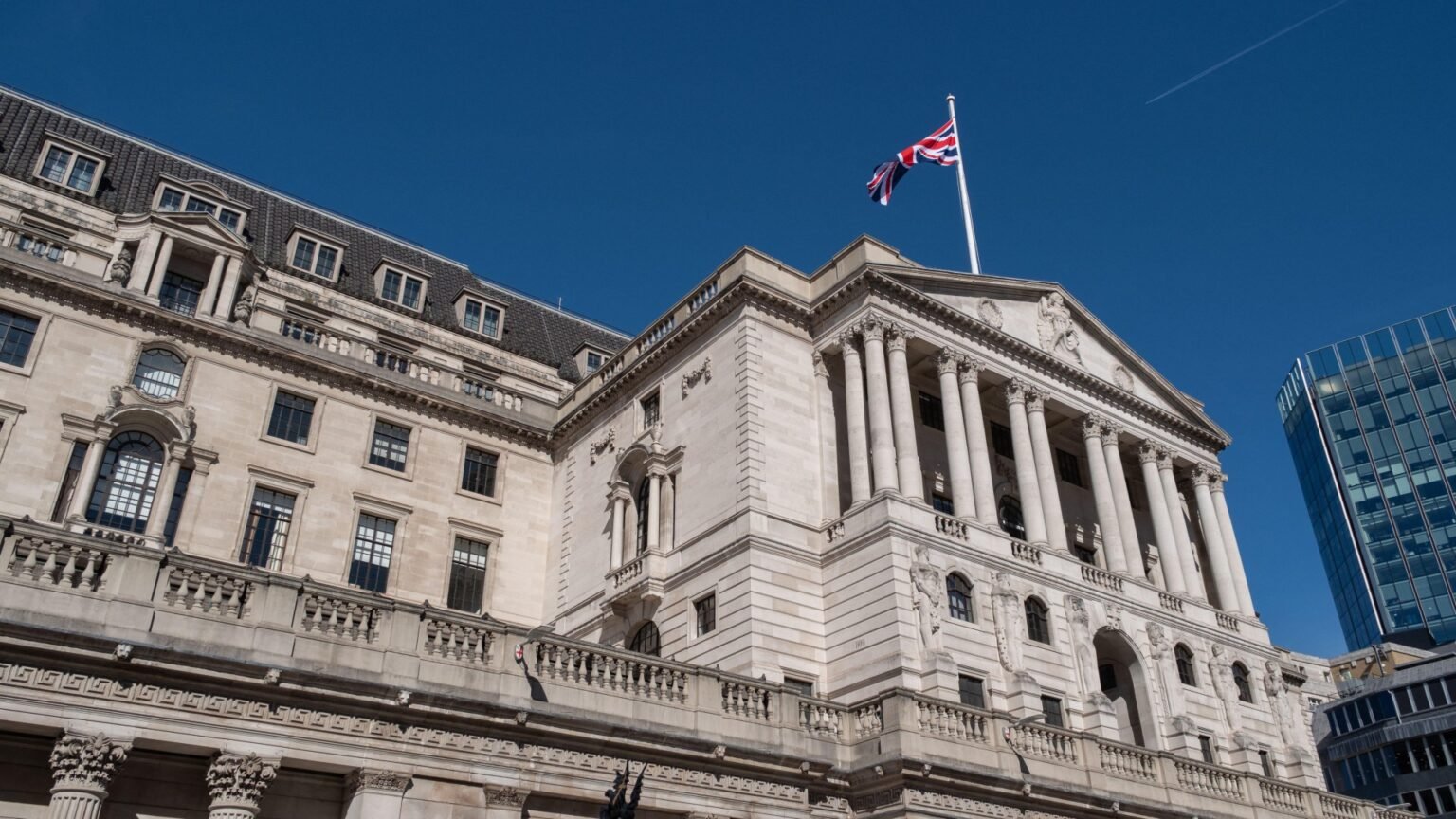


BRITAIN’S debt is hurtling towards £3trillion amid the ballooning benefits bill of almost £30billion a month.
Chancellor John Healey had to borrow another £1.8billion in July despite economists expecting him to balance the books.
Britain’s debt is hurtling towards £3trillion Credit: Alamy
Chancellor John Healey had to borrow another £1.8billion in July Credit: Getty
Britain was about £2.985trillion in the red at the end of the month — roughly £96billion more than a year ago.
Spending on welfare and state pensions hit £29.5billion in July — an rise of £2billion on the figure for last July.
Sign up for the Money newsletter
Thank you!
Experts say the deteriorating finances leave Mr Healey little wriggle room ahead of his first Budget on October 28.
Julian Jessop, at think tank the Institute of Economic Affairs, said the figures highlight the “fragility of the public finances”.
BILL BLOW
UK economy could tip into recession next year with inflation spiraling to 6.4%
BACKING BRITAIN
I’ll buy British on a scale never seen before, vows Chancellor John Healey
The economist added: “Most worryingly, spending growth — notably on benefits — outpaced revenues despite a bumper month for income tax receipts.”
Thomas Pugh, chief economist at business advisory firm RSM UK, said: “Tax rises are inevitable come the Budget.”
Britain has now borrowed £56.7billion in the first four months of the financial year — £2.3billion more than forecast by officials. The Iran War is pushing up borrowing costs.
Shadow Chancellor Sir Mel Stride said Labour is “tapping the nation’s credit card while the bailiffs are at the door”.
He added: “We spend more on the interest of our soaring debt than we do on our defence, police and prisons combined. We simply cannot afford the price of Labour.”
Mr Healey said: “Fiscal discipline is the bedrock of our economic stability and national security, which is why we are committed to meeting our fiscal rules, with a buffer against global uncertainties.
“We are cutting the deficit faster than any other G7 economy while giving people a bit of breathing space with cost-of-living pressures and focusing support to get young people into work.”