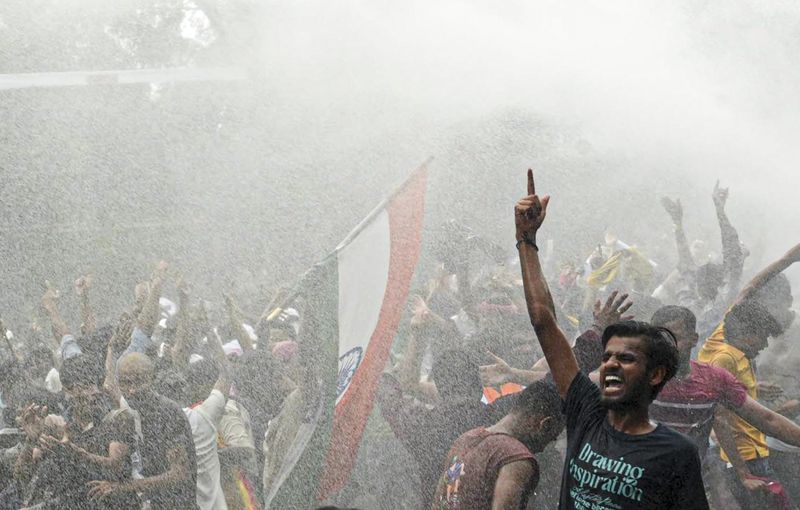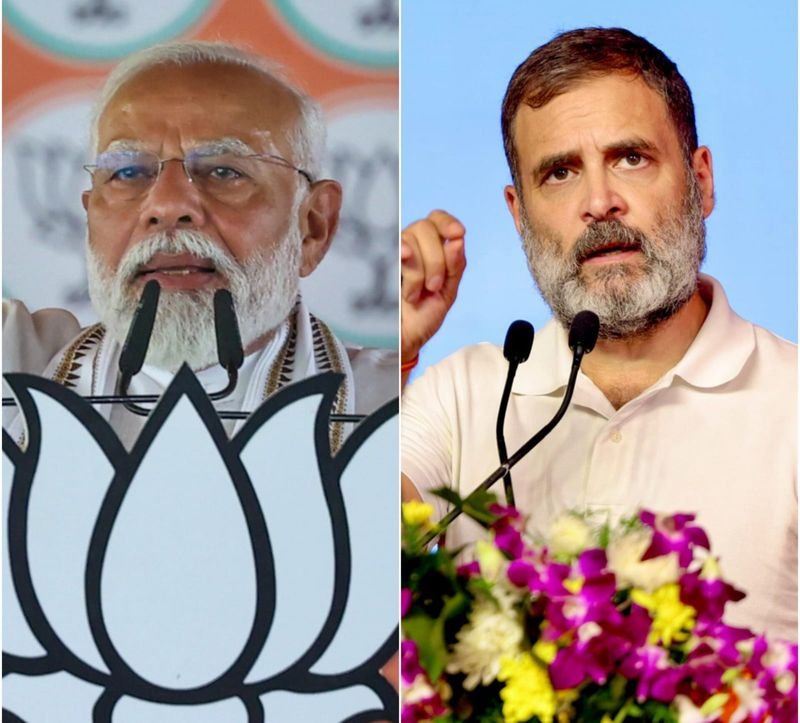

Week was all about the youth. On Thursday Prime Minister Narendra Modi handed out social media report cards to ministers nudging them to keep pace with GenZ and Gen Alpha who are engaging with politics and policy less on traditional media and more online.Parallel to this, the ruling BJP formalised a new “One campus, one minister” campaign under which a cabinet minister will visit one central university each and speak directly to students.A day later, Congress leader Rahul Gandhi, flanked by pellet gun victim Sachin Lochab, held an impromptu dharna at a local police station forcing cops to register a case in the matter. Lochab, a Delhi University student, lost 99% vision in one eye after sustaining pellet gun injuries at the July 20 Jantar Mantar protests.The week finally wound up with Prime Minister Modi meeting the newly appointed BJP office-bearers and directing them to expand the party outreach among the youth who will increasingly shape the direction of Indian politics.Going forward, while Rahul Gandhi of the Congress will likely persist with campaigns like “Ask me anything” and “Chhatron ki goonj”, the BJP will step up youth engagement through a new dedicated group led by national president Nitin Nabin whose very appointment sought to signal PM Modi’s solidarity with India’s youth. Nabin, 46, is the youngest ever BJP president in the party’s 46 year history.Not just national parties, even dominant regional parties are now progressively reshaping communication strategies to place youngsters at the core of their messaging.Behind this defining shift in national politics is a surging population of GenZ (those born between 1997 and 2012) who will steer India by 2050, not too long after Prime Minister Modi’s 2047 deadline for India to attain the Viksit Bharat goal.World Bank projections drawn from the United Nations 2024 population estimates show India is home to the world’s largest GenZ population with 500 million people aged 10 to 29 born between the cohorts that define the GenZ generation. By the above projections, this GenZ segment – having turned 38 to 53 by 2050 – will determine India’s future.Domestic population projections also support the logic of political outreach and response to the youth.In the 2024 Lok Sabha elections, 22.3 crore Indians among the total electorate were aged 18 to 29 years. This was 23% of the record national voters 96.88 crore in 2024 — a powerful swing constituency no political party or player could ignore.More than two crore young electors spanning the 18-19 and 20-29 age groups joined Indian electoral rolls in the 2024 General Election, making this constituency the most vibrant alongside the female vote.Both youth and female elector segments registered a near 10% growth each between the 2019 and 2024 poll cycles, explaining the growing political engagement with these blocs.As interesting trends emerge, challenges are also not far behind. Several recent researches have suggested that today’s youth – the largest young generation ever – are less engaged in political processes than the previous generations and are even beginning to opt-out of democratic systems.One research lists factors behind youth disinterest in conventional politics and says, “Unresponsive institutions and other barriers to youth participation and influence in public life are often cited as major contributors to this decline in young people’s interest in politics.”The paper makes a case for effective civic education to remove the existing barriers.In fact certain mechanisms which the legislative and political bodies are increasingly adopting – such as youth parliaments, campus engagements, Insta reels et al – seek to engage the youth with public life.“Educating young people on the values, culture, and practice of democracy through effective youth civic education before they reach voting age is crucial to a country’s future democratic health, and ultimately, peace and stability,” notes a paper by the International Foundation for Electoral Systems, a body that supports electoral stakeholders worldwide.While experts frame constructive youth engagement with politics as an imperative for a healthy democracy, the challenge for Indian politicians going forward will be – speaking to GenZ and Gen Alpha in the language they understand and responding in their idiom.PM Modi’s and Rahul Gandhi’s recent outreach featuring Meta posts and reels is an attempt to understand this population which took only few days to hold a long-unresponsive system accountable. The good part is – these changemakers are here to stay.