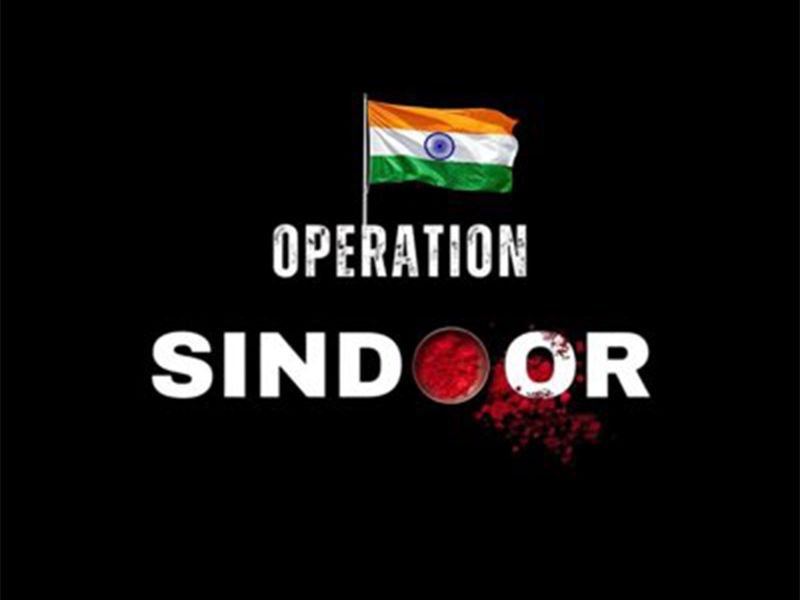

Taking note of Pakistan’s ability to project a ‘positive narrative’ despite being hit during Operation Sindoor, the Indian military has begun training its officers in new techniques to counter false narratives and build effective narratives of their own.Last week, the office of the Chief of Defence Staff (CDS) conducted a ‘future warfare’ course for officers drawn from the Army, Navy and Indian Air Force. One of the ‘future war game’ scenarios focused specifically on the post-Operation Sindoor environment, with an emphasis on controlling and shaping narratives, sources told The Tribune.A customised app that mimics an actual social media platform was used to conduct an ‘unfiltered’ war game. Officers were divided into teams and asked to react on the app, which simulates the flow of information across news outlets and social media platforms. The app uses algorithms modelled on global social media platforms and behavioural patterns of adversaries both during conflict and in peacetime.One ‘real war’ scenario featured the enemy making claims similar to those seen during Operation Sindoor regarding military losses. Other elements of the app-based war game examined how military information dissemination teams should respond to multiple situations, including counter-insurgency operations, grey-zone conflicts and even crises in which India is not directly involved. For instance, the conflict in West Asia and the closure of the Strait of Hormuz caused pressure on logistics, resulting in the Navy being deployed in greater numbers.As part of the exercise, officers from the three services were required to brief the media through immediate press statements, counter posts on social media by adversaries and non-state actors and anticipate possible emerging scenarios.To conduct the future warfare course, the office of the CDS partnered with the Centre for Joint Warfare Studies (CENJOWS), a defence think tank.Major General Ashok Kumar (Retd), Director General of CENJOWS, explained: “Narrative warfare is important. This was evidently clear during Op Sindoor, wherein a defeated nation like Pakistan created a false narrative amongst its people and its armed forces.”“It was important to train officers in various constituents of narrative warfare,” Gen Kumar said, adding that the module was conducted under the leadership of Lieutenant Colonel D Satapathy (Retd).“The decisive advantage in future conflicts will increasingly lie in the ability to shape perception, influence decision-making and control the narrative at the speed of events,” Col Satapathy told The Tribune. In future, strategic outcomes may be decided long before the first shot is fired, he added.The training also focused on “when to keep quiet and when to respond”, sources said, adding that the gamut of scenarios ranged from peacetime responses to actions during full-blown conflict.Last year, in May, just two weeks after Operation Sindoor, then CDS General Anil Chauhan highlighted the significant challenge posed by misinformation during the operation, revealing that approximately 15 per cent of the armed forces’ time had been devoted to tackling false narratives.Following this, Gen Chauhan ordered the creation of a tri-service defence strategic communication unit.