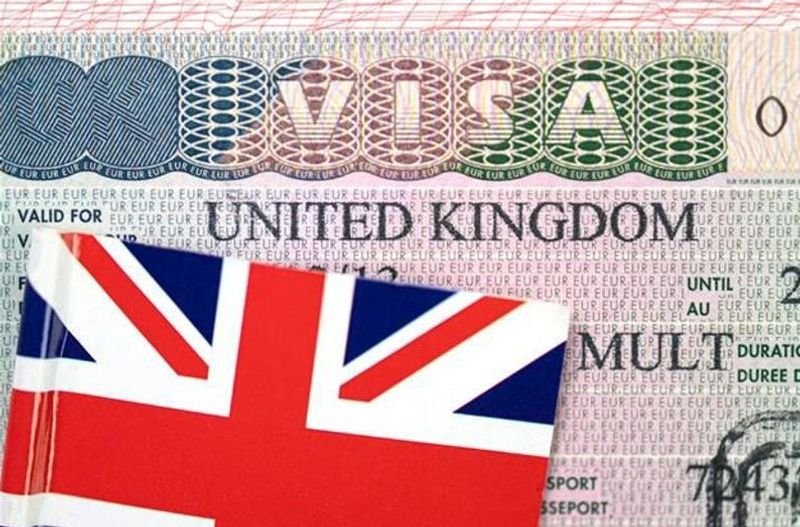

Indian nationals topped the charts of those seeking settlement and citizenship in the UK, according to official Home Office statistics released on Thursday.The rules around settlement rights in Britain, currently applicable after five years to those on valid visa routes, are set to be doubled from later this year under Home Secretary Shabana Mahmood’s proposals.The latest tranche of Immigration data released under the previous regime shows a 24 per cent spike in Indefinite Leave to Remain (ILR) application grants, also known as permanent settlement, which opens up the route to apply for British citizenship.”In the YE [year ending] June 2026, Indian nationals remained the largest nationality group granted settlement, with grants (35,384) increasing by 51 per cent compared with the previous year,” the Home Office said.”This mainly reflected the growing number of Indian nationals who entered the UK on work routes in recent years and have since completed the qualifying period of continuous residence required for settlement,” it noted.Indians at 24,851 and Pakistanis at 18,489 were also logged as the two largest nationality groups granted British citizenship in the 2025 to 2026 period.”Indian and Pakistani nationals continued to account for the highest numbers of British citizenship grants, mainly through naturalisation, and consistent with longstanding settlement trends,” a Home Office summary concluded.Among other migration categories covered in this week’s data, Indian nationals also accounted for the highest number of Visitor Visas granted at 514,398 a figure 9 per cent lower compared to the previous year.While Indians were granted the highest numbers of Graduate route extensions to stay and work in the UK over the past year at 64,495, the data reflected a decline compared with the previous year on this visa category open to overseas students at the end of their university degrees. The decline in extensions has been largely attributable to an 81 per cent decrease in visa grants to dependent family members after rules were tightened for all student visa routes.This was also reflected in a continuing downward trend of Indian student visas, with 82,523 grants in the YE June 2026 reflecting a 16 per cent decline over the past year. Indians have also been pushed to second place after Chinese nationals, who were granted 86,368 student visas in the past year.”Chinese (10,716), Indian (5,218), and Nigerian (3,820) nationals were the most common nationalities extending their stay on the student route in the latest year,” the Home Office added.The statistics come ahead of changes tabled in Parliament by Shabana Mahmood, which will see low-paid workers subject to a 15-year wait for ILR and migrants accessing taxpayer-funded benefits having to wait for as long as 20 years to be able to access settlement rights.Mahmood said: “A little over two years into office and the asylum backlog is down, the number of asylum seekers in hotels is falling, illegal working arrests are at record levels, and deportations and returns are up markedly.”This government is restoring control at our border and fairness to the migration system.”She is expected to confirm the details of the tighter norms for an estimated 1.6 million migrants already in the UK who are set to qualify for ILR between 2026 and 2030 in the coming months. The South Asian heritage Cabinet minister has indicated that “transitional arrangements” will be in place for “borderline cases” of foreigners based in the UK for nearly five years.